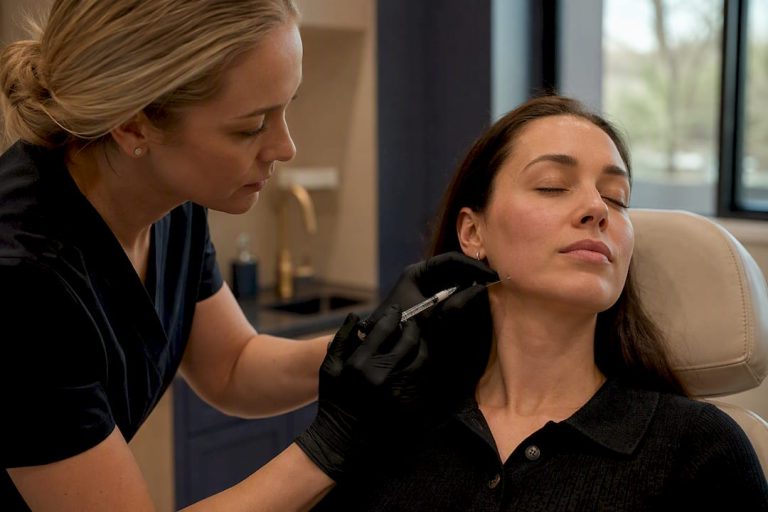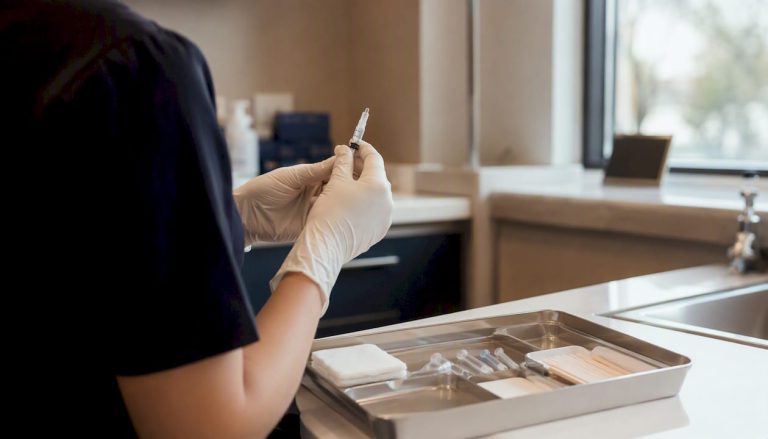

Many mid-career professionals choose subtle cosmetic injectables to look refreshed and to support confidence and perceived competence at work. The HARMONY study documents meaningful psychosocial improvements after aesthetic treatment, and Health Canada confirms that when administered by qualified health providers, injectables carry a manageable risk profile. Beautyshotmedicalclinic in Woodbridge, Vaughan is a nurse-led clinic built around exactly this kind of medically guided, natural-result approach.
TL;DR: Busy professionals aged 30–50 who want age-appropriate, natural-looking results with minimal downtime are the people who benefit most from well-planned injectable treatments.
Quick benefits at a glance:
- Refreshed, rested appearance without looking “done”
- Softened fatigue lines and frown creases
- Restored facial volume and improved balance
- Non-surgical with little to no recovery time
How injectables change workplace appearance and first impressions
The goals professionals bring to a consultation tend to cluster around four things: looking trustworthy, appearing competent, projecting vitality, and reducing the visual cue of chronic tiredness. These are not vanity goals. Research on facial appearance and social perception shows that subtle aesthetic changes influence the social judgments colleagues and clients form within seconds of meeting you.
Small, targeted changes make a real difference. A softened brow furrow reduces the appearance of tension or irritability. Restored cheek volume lifts the mid-face and counters the hollowed look that comes with age-related fat loss. Under-eye filler addresses the shadowing that reads as exhaustion even after a full night’s sleep. None of these require dramatic intervention. The benefits of subtle injectables come precisely from restraint in dosing and placement.
Psychosocial outcomes matter: The HARMONY study found that patients reported higher social comfort and well-being after treatment, reframing success beyond physical change alone.
- Neuromodulators (Botox, Dysport) soften dynamic lines while preserving natural expression
- Hyaluronic acid fillers restore volume lost to ageing in cheeks, temples, and under-eye areas
- Facial balancing treatments address asymmetry that can read as fatigue or stress
Pro Tip: Ask your injector to preserve full brow movement and natural forehead animation. The goal is a rested version of you, not a different face. MD Codes and facial balance principles guide placement so that expressiveness stays intact.
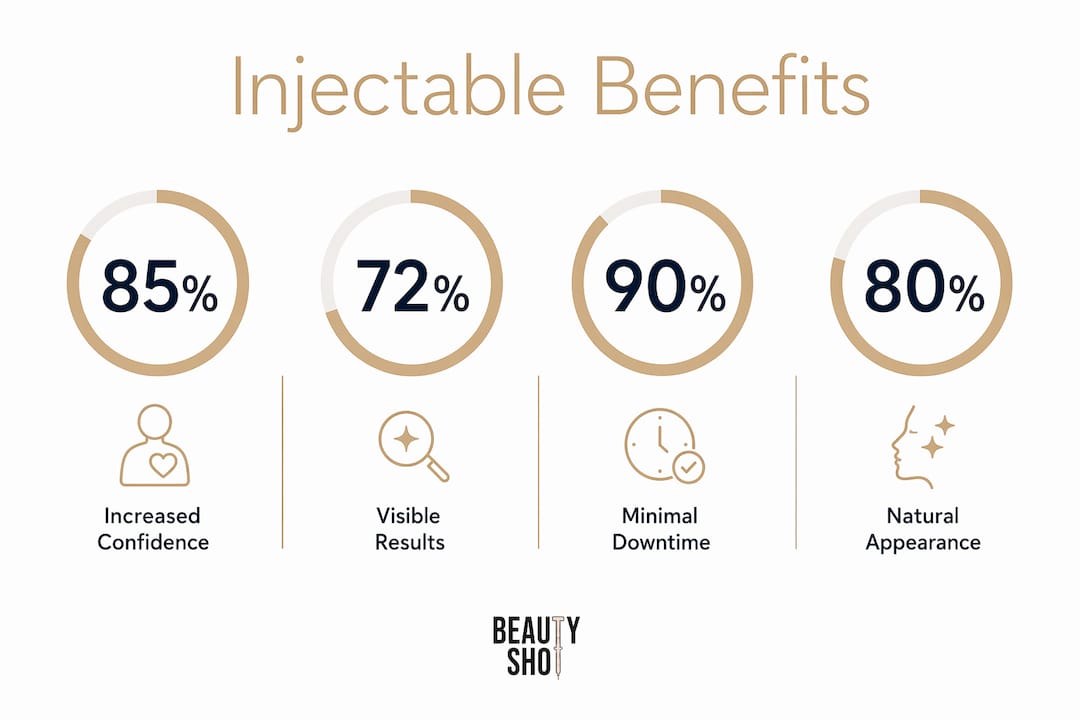
What does the research say about confidence after injectables?
The evidence is more substantive than many people expect. The HARMONY study reports that patients experienced increased confidence and greater comfort in social situations post-treatment, and frames these psychosocial improvements as core outcomes rather than secondary ones. A scoping review published in the American Society of Journal of Otolaryngology found that postoperative facial images were consistently rated as more attractive, trustworthy, competent, and intelligent than pre-treatment images across multiple studies.
Separate academic work from Leiden University found that even subtle facial changes alter the social judgments people make about trustworthiness and competence, which are exactly the attributes that matter in client-facing or leadership roles.
A few honest caveats belong here. Most studies involve surgical procedures rather than injectables specifically, and selection bias is real: people who seek treatment tend to have higher baseline motivation to improve their professional presentation. Clinician observation from practice supports the psychosocial findings, but individual results vary and no outcome is guaranteed.
Which treatments do professionals most commonly choose?
Neuromodulators and hyaluronic acid fillers cover the majority of what professionals ask for. Here is how they compare:
| Treatment | Primary indication | Onset | Typical duration | Downtime | Common side effects | Canadian cost shape | Provider credentials |
|---|---|---|---|---|---|---|---|
| Botox (neuromodulator) | Dynamic wrinkles (forehead, frown, crow’s feet) | days, full effect over about two weeks | 3–4 months | Minimal (hours) | Mild bruising, headache, temporary ptosis (rare) | Per-unit or per-area pricing | RN/NP/MD with advanced training |
| Dysport (neuromodulator) | Same as Botox; spreads slightly wider | 2–5 days | 3–4 months | Minimal | Similar to Botox | Comparable to Botox | RN/NP/MD with advanced training |
| HA dermal fillers (e.g., Juvéderm-type) | Volume loss, lip, cheek, under-eye, contouring | Immediate to 2 weeks (swelling settles) | several months depending on treatment area | 1–3 days (bruising, swelling) | Bruising, swelling, rare vascular risk | Per-syringe pricing | RN/NP/MD with advanced filler training |
Neuromodulators work by temporarily relaxing the muscle responsible for a wrinkle. Hyaluronic acid fillers add volume by attracting and holding water in the tissue, which is why dermal fillers restore facial volume gradually as swelling settles. The same filler product can produce a subtle, natural result or an obvious one depending entirely on volume used and placement depth. Dosing and technique are everything.
What should a safe consultation cover?
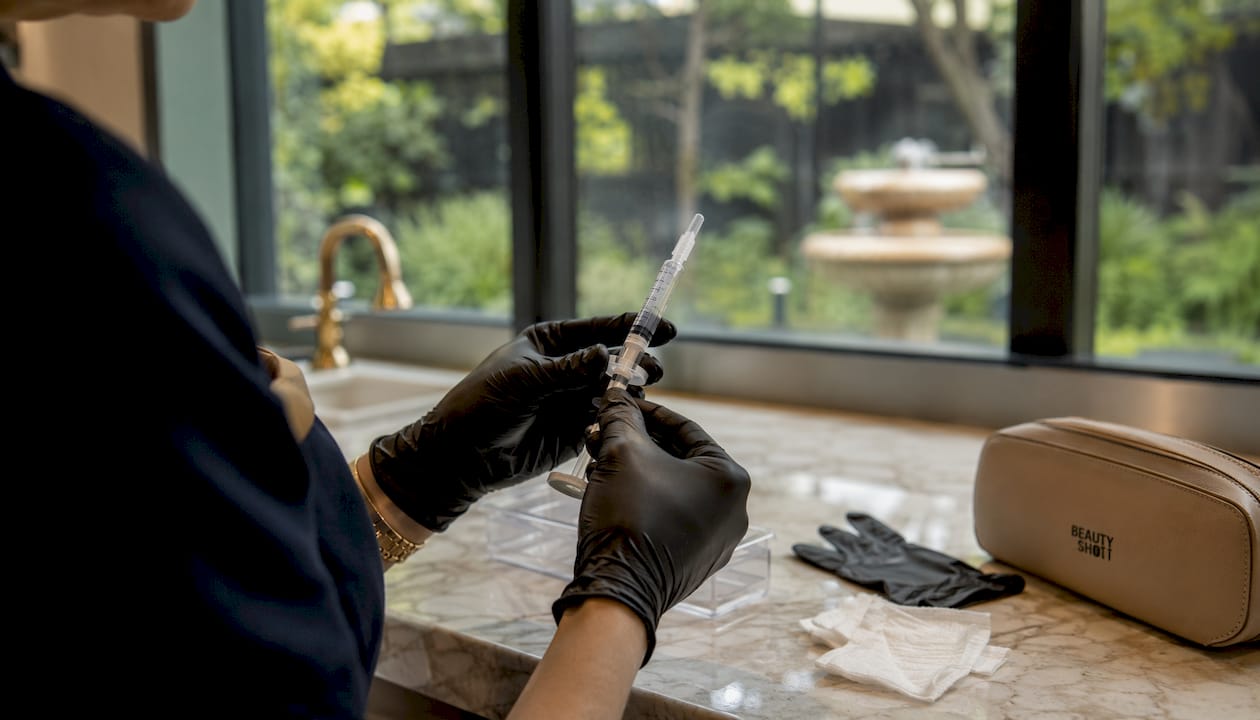
Injectables are medical procedures. The CRNS practice expectations are clear: RNs must obtain authorisation from a physician or nurse practitioner, document informed consent, and be competent to manage complications including infection control and emergency response.
A thorough pre-treatment assessment includes:
- Full medical history and current medication review
- Discussion of aesthetic goals and realistic outcomes
- Photographs taken and documented in the patient chart
- Signed informed consent and a written treatment plan
- Verification of product authenticity and expiry
Red flags that should delay or stop treatment:
- Active skin infection or cold sore at the treatment site
- Blood thinners or supplements that increase bruising risk (discuss with your injector)
- Unrealistic expectations or pressure to proceed immediately
- No medical history taken and no consent form offered
On the day of treatment, your injector should mark the treatment areas, review consent again, confirm the product being used, and have emergency protocols in place. The NANB practice guideline and CPSBC practice standard both set these as foundational expectations for Canadian practice.
What should you realistically expect after treatment?
Timeline at a glance:
- Neuromodulators: visible change within days, with full effect developing over about two weeks
- Fillers: immediate volume with final result visible after swelling subsides
- Duration: neuromodulators typically last a few months; HA fillers last several months depending on treatment area
Plan your appointment at least two weeks before a major presentation, event, or travel. Bruising is possible with both treatments and more likely with fillers. Avoiding alcohol 24 hours before and blood-thinning supplements for a week prior reduces that risk considerably.
Maintenance matters for cumulative results. Regular neuromodulator treatments, typically every 3–4 months, can gradually reduce the depth of lines over time as the muscle softens with repeated relaxation. Many professionals find that after 1–2 years of consistent treatment, they need slightly less product to achieve the same result.
For budgeting, transparent pricing structures help you understand what a full-face plan might cost before you commit. In Canada, costs vary by provider, product, and region, so asking for a written estimate at consultation is standard practice.
How do you choose a qualified clinic or injector?
The most important trust signals to look for:
- Documented pre-treatment assessment and chart notes
- Visible credentials: RN, NP, or MD with advanced cosmetic training
- Before and after photos from real patients
- Published safety protocols and emergency preparedness
- Active prescriber relationship (physician or NP oversight for RN injectors)
Questions to ask at your consultation:
- What is your specific training in injectables, and where did you complete it?
- How do you manage a vascular complication if one occurs?
- Can you show me a sample treatment plan and explain the dosing rationale?
- What does your follow-up process look like after treatment?
- What is the full cost, including any touch-up visits?
Red flags to avoid:
- No medical records kept and no consent form offered
- Injectables offered at social events or pop-up settings
- High-pressure sales or same-day discounts to push a decision
- Injector cannot explain complication management
Choosing a qualified injector comes down to credentials, safety culture, and aesthetic philosophy. Natural results require someone who understands facial anatomy deeply, not just injection technique.
What Beautyshotmedicalclinic offers for professionals
Beautyshotmedicalclinic in Woodbridge, Vaughan is a nurse-led clinic founded by Irene Soni, R.N., BScN, with over nine years of experience and a background in Medical/ICU nursing at Sunnybrook Hospital. Advanced training includes Allergan techniques, MD Codes, Teoxane Academy, Clarion Medical, and training with Dr. Mauricio and Dr. Martins Training Center Canada.
Services relevant to professionals:
- Botox and Dysport for forehead lines, frown lines, and crow’s feet
- Hyaluronic acid dermal fillers for cheeks, under-eye, and lip
- Facial balancing treatments guided by anatomical assessment
- Masseter Botox for jaw tension and facial slimming
- Under-eye filler for hollowing and shadow correction
At your first visit, you can expect a full facial assessment, goal discussion, photography, and a written treatment plan before any product is used. Consent is reviewed and signed. The clinic serves patients in Vaughan, Woodbridge, and surrounding areas. You can review before and after results on the clinic site to assess the aesthetic approach before booking.
Do repeated treatments change your appearance over time?
Yes, and often in a positive way. With consistent neuromodulator use, the muscles responsible for deep frown lines gradually weaken, which means the lines themselves become less pronounced even at rest. Many patients find their results last slightly longer after 12–18 months of regular treatment.
With fillers, the picture is more nuanced. Hyaluronic acid is gradually broken down by the body, so results are not permanent. However, some research suggests that repeated filler treatments may stimulate collagen production in the treated area, which can improve skin quality over time. The key is working with an injector who reassesses your face at each visit rather than simply repeating the same plan. Faces change, and a good treatment plan should change with them.
The cumulative professional benefit is real too. Colleagues and clients tend to notice that you look well-rested and present, without being able to identify why. That is exactly the outcome most professionals are seeking.
Key takeaways
Professionals choose subtle injectables because the psychosocial and appearance benefits, when delivered by a qualified injector, support confidence, perceived competence, and a refreshed professional presence without surgical downtime.
| Point | Details |
|---|---|
| Psychosocial evidence is solid | The HARMONY study links injectables to higher social comfort and well-being, reframing these as core outcomes. |
| Safety requires a medical framework | CRNS guidelines require RN authorisation, documented consent, and complication readiness before any treatment. |
| Realistic timelines matter | Neuromodulators take 3–14 days to show full effect; fillers settle within 2 weeks; plan around key work events. |
| Cumulative effects build over time | Consistent treatment over 12–18 months often reduces product needed and improves baseline appearance. |
| Beautyshotmedicalclinic | Nurse-led clinic in Woodbridge, Vaughan offering medically guided, subtle injectables for professionals. |
A note from Irene Soni, R.N.
The professionals I see most often are not chasing a dramatic change. They want to look like themselves on a good day, consistently. That is a goal I understand and one that guides every treatment plan I create.
My ICU background means I take safety seriously in a way that goes beyond aesthetics. Every patient gets a full assessment, a documented plan, and a clear conversation about what is realistic. I never rush a consultation, and I never pressure anyone to proceed. The anatomy matters, the dosing matters, and so does knowing when to hold back.
If you are curious about what subtle injectables could do for your professional presence, I would be glad to walk you through it. Have a look at the before and after gallery and reach out when you are ready.
Ready to book a confidential consultation at Beautyshotmedicalclinic?
Beautyshotmedicalclinic offers a medically guided, low-pressure consultation for professionals who want honest guidance before committing to any treatment. The clinic is located in Woodbridge, Vaughan, and serves patients across the surrounding area.
What to bring to your appointment:
- A recent photo of yourself that reflects the result you are hoping for
- Your current medication and supplement list
- Notes on any previous cosmetic procedures
- Your list of consultation questions
Read the injectable cosmetics guide to prepare, then book your consultation directly through the clinic site at beautyshotmedicalclinic.com.
Useful sources for further reading
- HARMONY study: psychosocial effects of aesthetic treatment — clinical evidence on confidence and well-being outcomes
- Health Canada: cosmetic injections — Canadian regulatory guidance on risks and provider qualifications
- CRNS: Cosmetic Injectables practice expectations — Saskatchewan nursing college standards for RN injectors
- NANB: Medical Aesthetics practice guideline — scope, safety, and advertising obligations
- CPSBC: Injection practice standard — BC licensing requirements for injectors
- Leiden University: facial appearance and social perception — academic research on trustworthiness and competence perceptions
- Beautyshotmedicalclinic: injectable cosmetics explained — clinic-level patient guide
These sources are best used as a starting point. Bring specific questions from them to your consultation so a qualified clinician can apply them to your individual situation.
FAQ
Why do professionals choose injectables over other cosmetic options?
Injectables offer visible results with minimal downtime, making them practical for busy schedules. They are also reversible or adjustable, which suits professionals who want to maintain a natural appearance rather than commit to a permanent change.
How long before a big work event should I book an injectable treatment?
Book neuromodulators at least two weeks before any major event to allow full effect to develop. For fillers, allow two weeks for swelling to resolve and the final result to settle.
Are cosmetic injectables safe in Canada?
When administered by a qualified provider following proper assessment and consent protocols, injectables carry a manageable risk profile. Health Canada recommends consulting an experienced health professional and understanding potential adverse reactions before proceeding.
What credentials should my injector have?
Look for an RN, NP, or MD with documented advanced cosmetic training, an active prescriber relationship, and a clear protocol for managing complications. The CPSBC practice standard prohibits unlicensed persons from injecting and requires documented training oversight.
Does Beautyshotmedicalclinic treat professionals specifically?
Beautyshotmedicalclinic in Woodbridge, Vaughan regularly sees mid-career professionals seeking subtle, natural-looking results. Every treatment plan is personalised to the patient’s goals, anatomy, and professional context, with a focus on looking refreshed rather than altered.