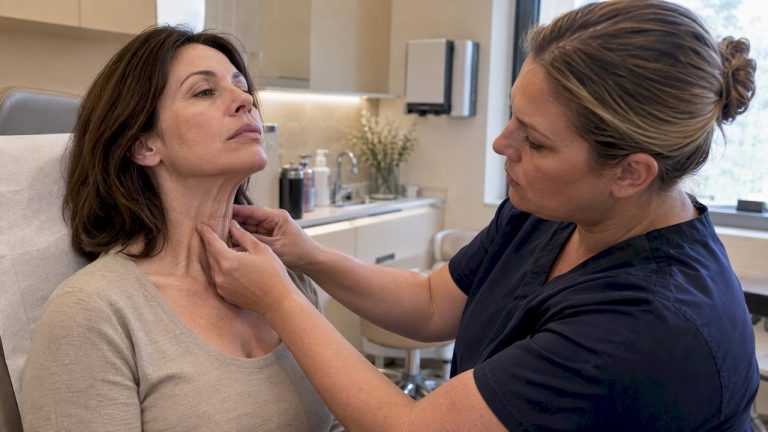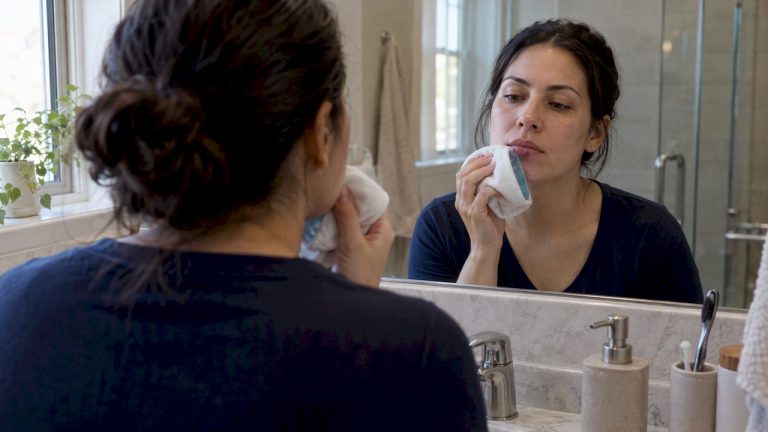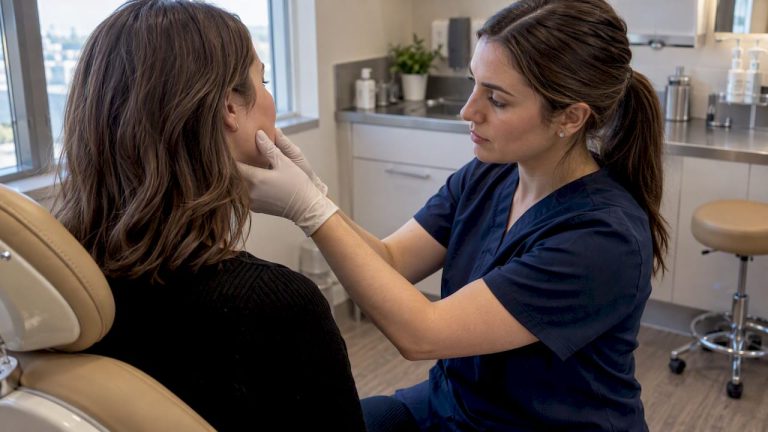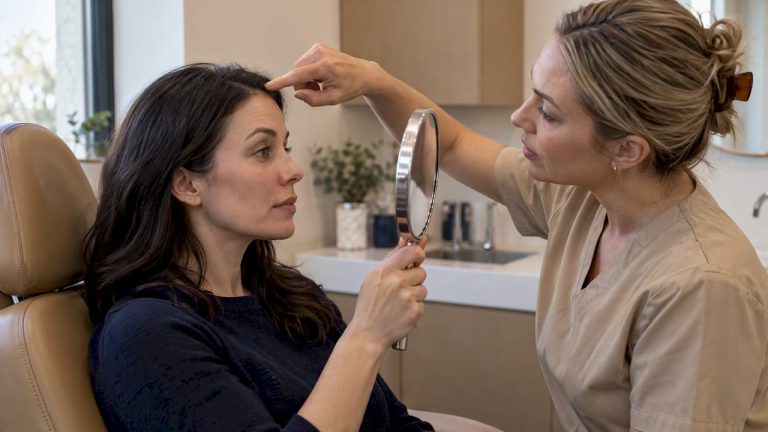
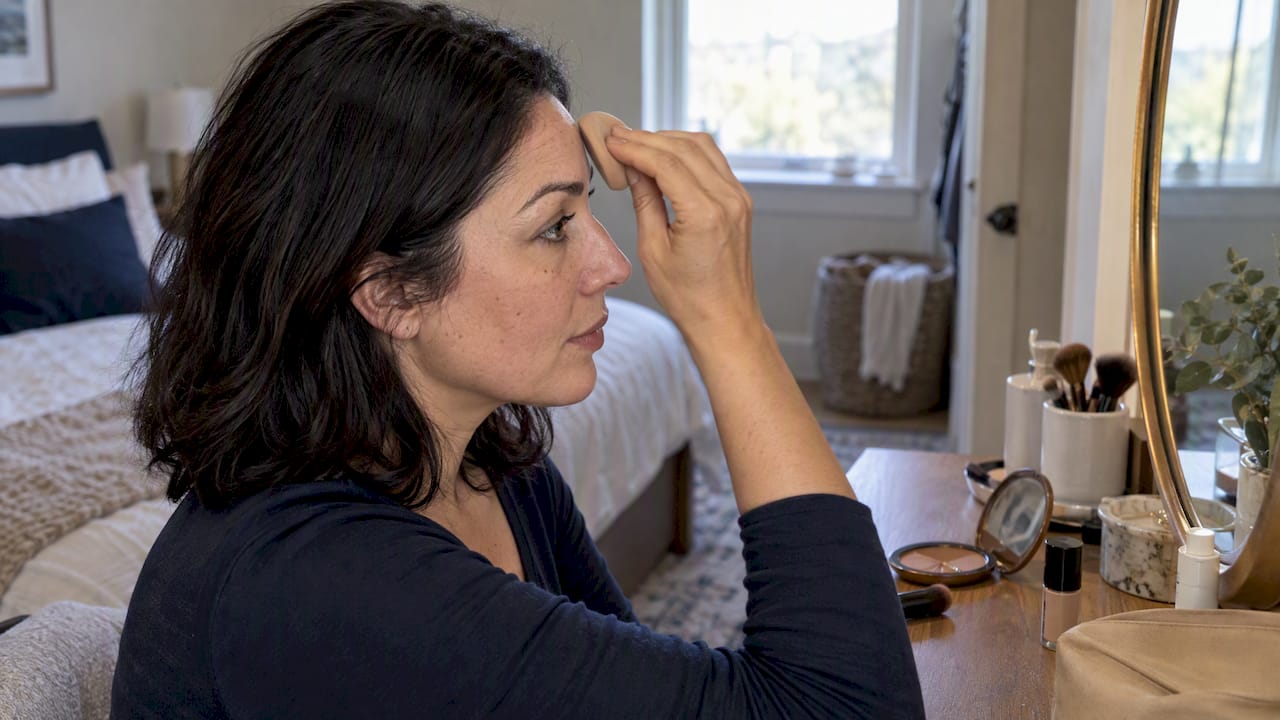
You can usually wear light makeup within a few hours of Botox, once you’ve kept hands off the treated area, but we recommend waiting the full 24 hours when you can. Clean hands, clean tools, and a gentle touch matter more than the exact hour on the clock. Always follow the specific timing we give you at your visit, since your skin and treatment plan are unique to you.
TL;DR:
- Wait 24 to 48 hours if you have noticeable swelling, an open bruise, sensitive injection sites, or prefer the more cautious approach.
- After the first few hours, use clean hands and tools, then pat on light layers without rubbing or pressing injection points.
- For the first 24 to 72 hours, choose gentle, unscented formulas or mineral makeup; avoid toners with alcohol and exfoliating acids near injection sites.
- Call your injector promptly for spreading redness, warmth, discharge, fever, worsening pain, sudden vision changes, or a noticeably drooping eyelid.
What happens to your skin right after Botox
In the first hours after your injections, it’s normal to notice some redness, mild swelling, or small bruises around the injection sites. These reactions are your skin’s natural response to the needle, not a sign that anything went wrong, and they typically settle within a day or two. The actual effects of Botox take longer to show, often developing over several days to a week as the muscle activity gradually quiets down.
We ask patients to avoid touching, rubbing, or applying pressure to the treated area for the first few hours after injection. Public-health guidance echoes this, advising against pressure on the area for the first few hours, after which most daily activities, including careful makeup application, can usually resume. Giving the injection sites that window to settle also helps keep the product exactly where we placed it.
- Expect transient redness, pinpoint swelling, or small bruises at injection sites.
- Visible muscle-softening results build gradually over days to about a week.
- Avoid rubbing or pressing on the treated area for the first few hours.
How long should you really wait before makeup
You’ll see different timeframes mentioned around this topic, and both have a place depending on your skin. The conservative approach, waiting 24 to 48 hours, suits anyone with heavier bruising, a sensitive injection site, or simply a preference for extra caution. The shorter window, often described as a few hours, applies when the skin is intact, swelling is minimal, and you’re applying product with a very light hand.
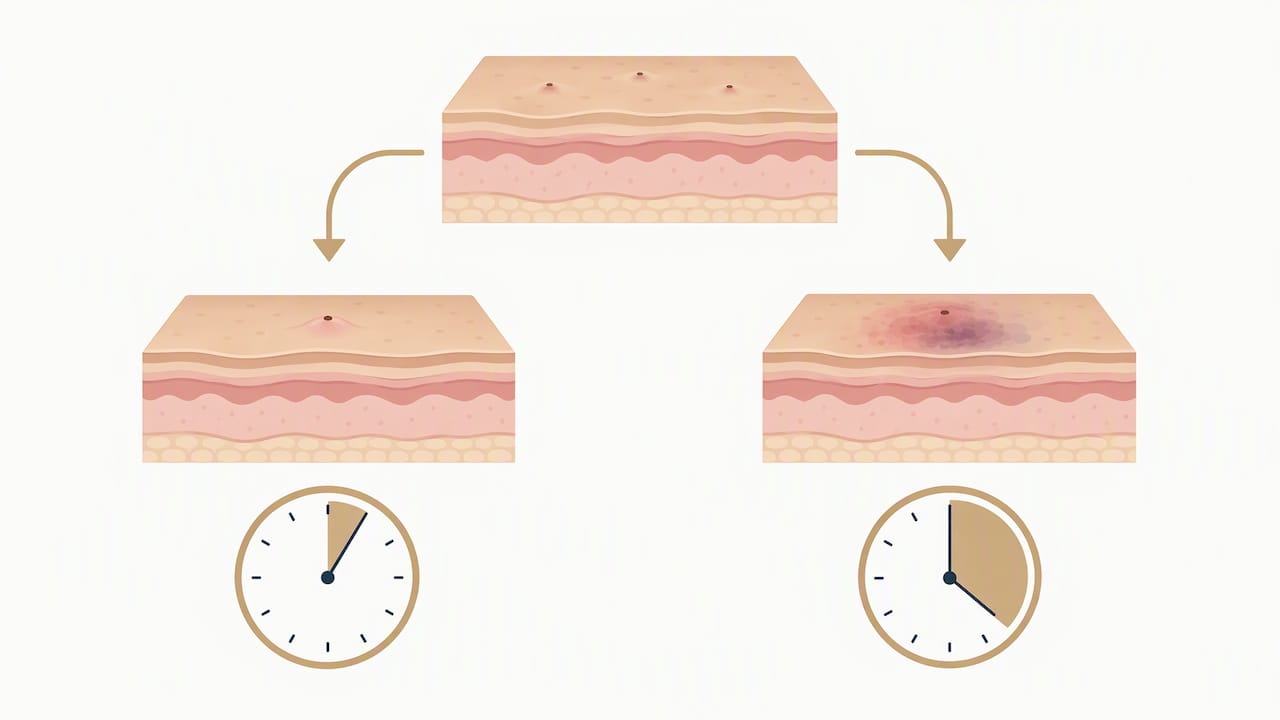
If you have broken skin, an open bruise, or noticeable swelling, hold off longer than a few hours and let those sites calm down first. Outside of those situations, light, non-irritating makeup applied gently is generally considered reasonable once the initial few hours have passed. A 2025 retrospective study of 5,000 patients found that strict, long behavioural restrictions didn’t meaningfully change short-term complication rates, but sterile technique and sensible precautions still mattered.
Whichever timeline fits you, keep these priorities in mind:
- Wash your hands thoroughly before touching your face or any makeup product.
- Skip direct pressure or rubbing motions over each injection point.
- Use clean brushes, sponges, or fingers rather than shared or old applicators.
Step-by-step: applying makeup without disturbing injection sites
A few small adjustments to your routine protect both your skin and your results. The goal is minimal contact over each injection point, not avoiding makeup altogether.
- Wash your hands with soap and water, then disinfect any brushes or sponges you plan to use, or reach for a fresh single-use applicator instead.
- Apply foundation, concealer, or powder in light layers, using a gentle patting or tapping motion rather than sweeping or massaging strokes.
- Build coverage gradually over several light passes instead of one heavy application that requires blending pressure.
- Save brows, forehead, and the delicate skin around the eyes for last, and use the smallest amount of product you can near those points.
- Clean your tools again once you’re done, so the next application starts fresh.
Pro Tip: Tap foundation on with your ring finger over treated areas; it naturally applies the lightest pressure of any finger.
Areas like the forehead, brow, and periocular region deserve the most patience, since these are common Botox sites and the skin there is thinner. If you’re unsure whether a spot has fully settled, wait a little longer before applying anything directly over it.
Choosing products that won’t irritate fresh injection sites
What you put on your skin matters as much as how you apply it. In the first 24 to 72 hours, lean toward gentle, fragrance-free, non-comedogenic formulas, including mineral-based powders and foundations, which tend to sit on the skin with less friction during blending.
Hold off on alcohol-heavy toners, astringents, and exfoliating acids near injection sites during this window, since these can irritate skin that’s already mildly reactive. The same goes for any product that needs heavy rubbing to blend evenly.
- Favour mineral or fragrance-free formulas for the first 24 to 72 hours.
- Avoid alcohol-based toners and exfoliating acids near treated areas.
- Replace mascara if you suspect contamination, and avoid sharing lip products or sponges.
Clean tools matter just as much as clean formulas. Canada’s cosmetics guidance recommends washing your hands before applying makeup, never sharing cosmetics, and discarding anything that changes smell, colour, or texture.
What’s normal, and what means it’s time to call us
Mild bruising, light swelling, and temporary redness are common and usually fade within a few days on their own. A cold compress applied gently, without pressure, can ease minor bruising, and it’s worth asking us before taking any anti-inflammatory medication, since some can increase bruising risk.
Some signs deserve a prompt call to your injector rather than a wait-and-see approach:
- Spreading redness, warmth, or discharge around an injection site.
- Fever or increasing pain rather than gradual improvement.
- Sudden vision changes or a noticeably drooping eyelid.
If you notice any of these, reach out and describe what you’re experiencing rather than waiting for your next scheduled visit.
An RN’s checklist for safe makeup after your appointment
As nurses, sterility is our starting point long before makeup ever comes into the conversation: we always have patients arrive with a clean, makeup-free face, since a 2025 retrospective study of 5,000 patients reinforced that removing makeup beforehand and using sterile technique helps keep infection risk low.
- Arrive with a clean face and come back to makeup only once sites have settled.
- Avoid rubbing the treated area for the first few hours.
- Use clean tools every time, and follow the personalized timing we give you.
Pro Tip: Pack a small clean makeup kit for the day of your appointment if you have plans after, so you’re never tempted to reach for yesterday’s brush.
Test any new product on your jaw or neck before using it near a treated area, and call us if anything feels off. We’re always glad to walk through aftercare steps with you.
A nurse’s honest take on makeup and aftercare
Patients often worry they’ll do something wrong with their post-treatment routine, and honestly, most of the caution is simpler than it sounds: keep your hands clean, keep your touch light, and give your skin a little patience. Botox results look most natural when the process around them is unhurried too. You’re not expected to memorize every rule, just to ask us when you’re unsure.
— Felix
Gentle, nurse-led Botox care from consultation through aftercare
Every treatment we provide is performed by an advanced cosmetic Registered Nurse, with aftercare guidance tailored to your skin and schedule. If you’re due for a touch-up or exploring Botox for the first time, our Botox and Dysport services page outlines what a visit looks like with us. Have a question about your aftercare routine or want to confirm your personal timing before an event? Book a consultation and we’ll walk through it together.
This article is general information, not a substitute for advice from a qualified doctor. Consult a qualified healthcare professional about your own circumstances before acting on anything here.
FAQ
How soon after getting Botox can I wear makeup?
Many patients can apply light makeup within a few hours once the treated area has been left undisturbed, though waiting 24 hours is the more conservative and commonly recommended approach. Always confirm your personal timing with your injector, since bruising, sensitivity, and treatment area can shift that window.
What is the 4-hour rule for Botox?
The 4-hour rule refers to avoiding rubbing, massaging, or applying pressure to the treated area for the first few hours after injection, which public-health guidance supports as a precaution against shifting the product. After that window, most normal activities, including gentle makeup application, can typically resume.
Can I wash my hair after Botox?
Washing your hair is generally fine, but avoid positions or pressure that push directly on the treated area, such as leaning your forehead hard against a sink edge. If you had injections near your hairline or temples, ask us for guidance specific to your treatment plan.
How do I prepare my face for Botox?
Arrive with a clean, makeup-free face, since sterile technique before injection helps lower infection risk at each site. Our pre-procedure guide walks through what else to expect before your appointment.
Sources
- Botulinum toxin (Botox) | HealthLink BC
- Are post-care recommendations following upper-face botulinum toxin treatment scientifically necessary? A retrospective study (MDPI, 2025)