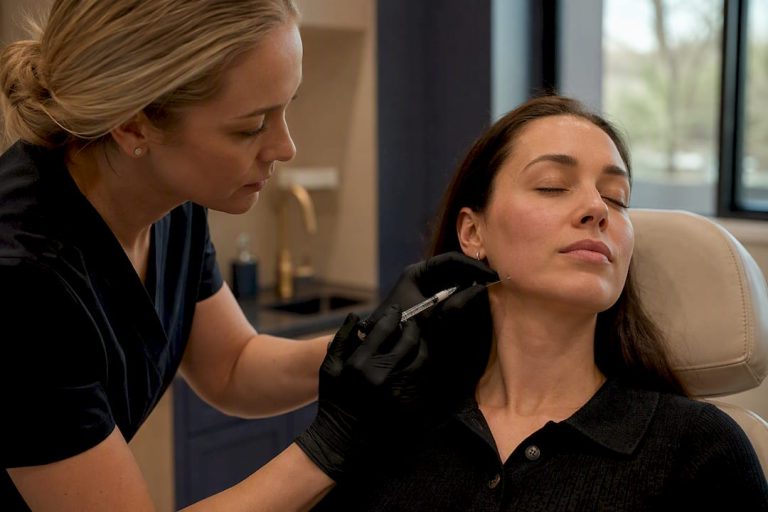

Injectable cosmetics are medical-grade treatments designed to soften wrinkles, restore facial volume, and enhance facial balance through targeted injections of approved substances like botulinum toxin and dermal fillers. These are not beauty products you buy off a shelf. They are clinical procedures that require anatomical knowledge, medical training, and a personalised treatment plan. The global injectable aesthetics market exceeds $16 billion in 2026, which tells you just how many people are choosing these treatments over surgical alternatives. Understanding how they work, what to expect, and how to choose a safe provider is the most important step before booking anything.
What are injectable cosmetics and how do they work?
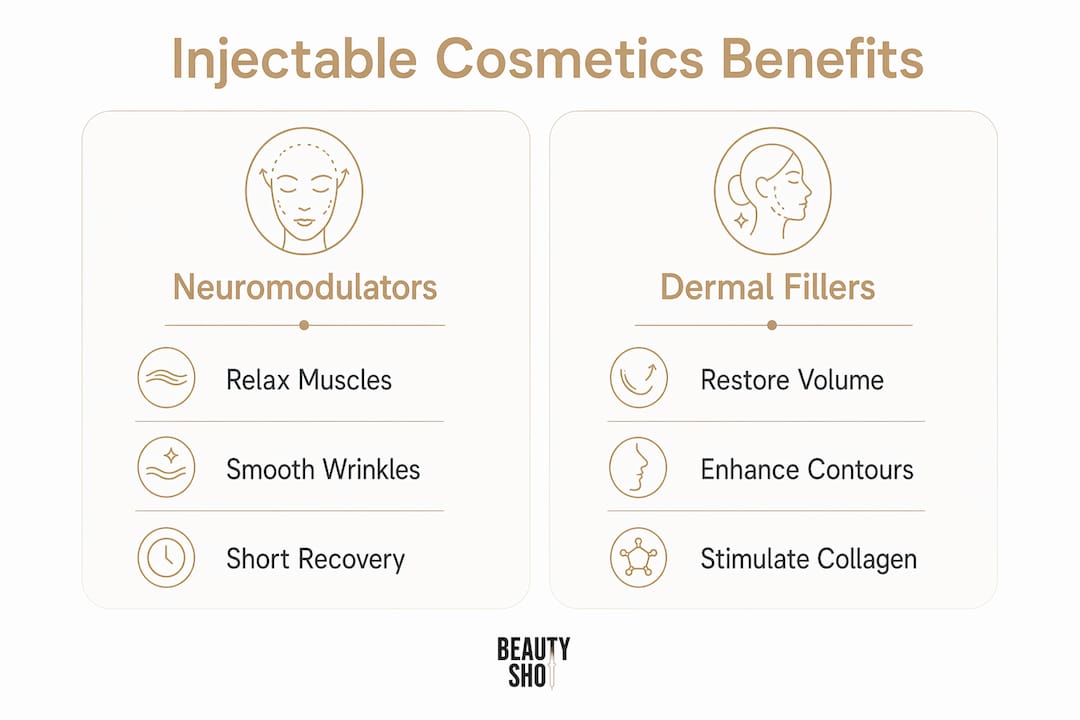
Injectable cosmetics is the everyday term for a category of medical aesthetic treatments formally known as cosmetic injectables or aesthetic injectables. The two main families are neuromodulators and dermal fillers, and they work through completely different mechanisms.
Neuromodulators such as Botox (onabotulinumtoxinA) and Dysport (abobotulinumtoxinA) work by blocking nerve signals to targeted muscles, temporarily preventing them from contracting. This relaxes the overlying skin and softens expression lines like forehead creases, frown lines between the brows, and crow’s feet. Results begin in 3 to 7 days, reach their peak at 1 to 2 weeks, and typically last 3 to 4 months. That timeline matters because it sets realistic expectations from the very first appointment.
Dermal fillers work differently. Rather than relaxing muscles, they physically restore volume, contour, and structure beneath the skin. The most widely used fillers contain hyaluronic acid (HA), a substance your body already produces naturally. HA fillers last 6 to 18 months depending on the product and the area treated. Calcium hydroxylapatite fillers, such as Radiesse, and poly-L-lactic acid fillers, such as Sculptra, are biostimulatory options that encourage collagen production and can last 2 to 5 years.
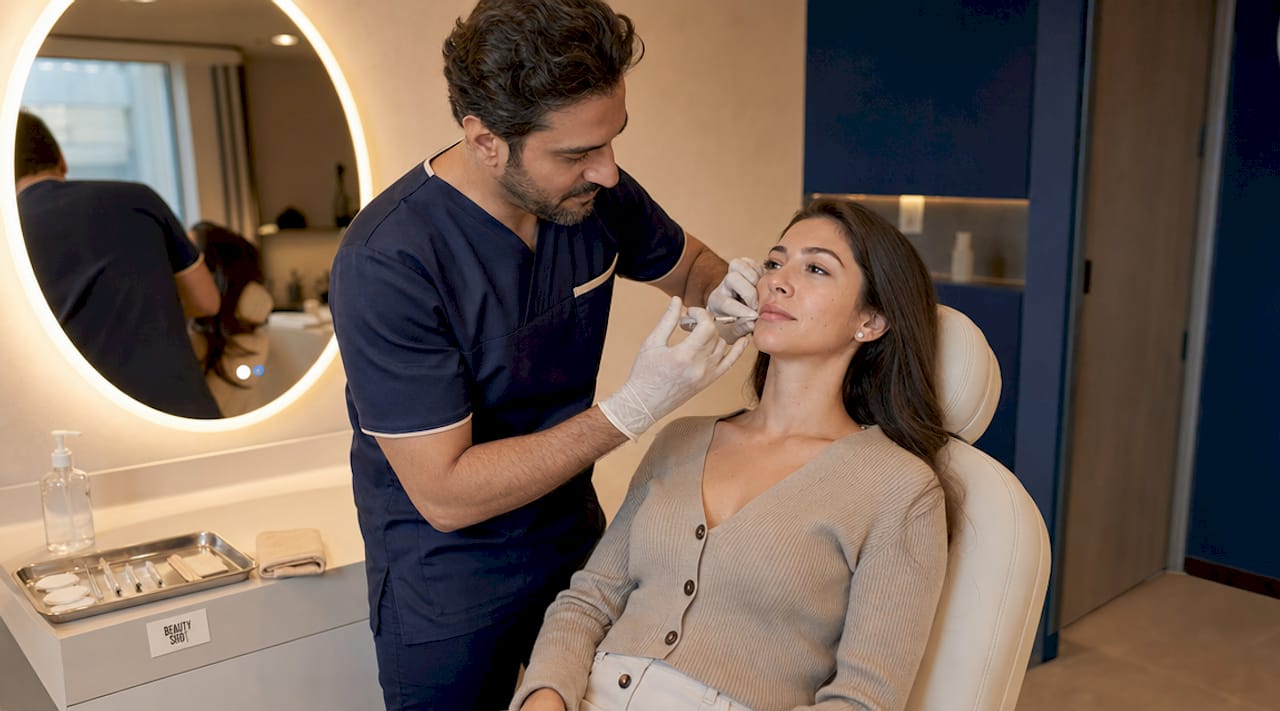
Biostimulatory fillers are worth understanding separately because they do not simply fill space. They trigger your own tissue to generate new collagen over several months, producing gradual, longer-lasting improvements. This makes them a strong option for patients who want progressive, natural-looking change rather than an immediate visible shift.
Pro Tip: Combining a neuromodulator with a dermal filler often produces more natural, comprehensive results than using either product alone. Botox addresses active muscle movement while fillers restore lost volume. Together, they treat the full picture of facial ageing.
What are the benefits of injectable cosmetics for facial aesthetics?
The primary appeal of injectable cosmetics over surgical procedures is the combination of real results and minimal recovery time. Most patients return to their regular routine the same day or the following morning. There are no general anaesthetics, no surgical incisions, and no weeks of downtime.
The global market data showing men now represent 10 to 15% of injectable procedures reflects a significant cultural shift. Injectables are no longer a niche treatment. They are a mainstream choice for people across a wide age range who want to look refreshed without looking altered.
Key benefits that patients consistently report include:
- Targeted treatment. Neuromodulators address dynamic wrinkles caused by muscle movement, while fillers address static lines and volume loss. Choosing the right product for the right concern produces far better outcomes than a one-size-fits-all approach.
- Customisable results. A skilled injector can adjust product type, volume, and placement to suit your facial structure and goals. No two treatment plans need to look the same.
- Reversibility. Hyaluronic acid fillers can be dissolved with hyaluronidase if a patient is unhappy with the result or experiences a complication. This safety net does not exist with surgical procedures.
- Gradual maintenance. Because results are temporary, you can adjust your plan over time as your face changes naturally with age. This flexibility is something surgery simply cannot offer.
- Confidence without dramatic change. When done well, injectables help you look like a well-rested, refreshed version of yourself. The goal is never to look like someone else.
Are injectables safe? Risks and what to watch for
Injectable cosmetics are safe when performed by a trained, qualified clinician in a properly equipped setting. The word “safe” does not mean risk-free. It means the risks are well understood, manageable, and significantly reduced by choosing the right provider.
Common short-term side effects include pain at the injection site, swelling, bruising, and temporary asymmetry. These are expected reactions that typically resolve within a few days to two weeks with proper aftercare. They are not signs that something has gone wrong.
The more serious risk with dermal fillers is vascular occlusion, which occurs when filler is inadvertently injected into or compresses a blood vessel. Vascular occlusion occurs in 0.01 to 0.05% of filler cases, but the consequences can include tissue necrosis or, in rare cases, vision loss. This is why the injector’s anatomical knowledge is not optional. It is the single most important factor in your safety.
The table below summarises the risk profile by injectable type:
| Injectable type | Common side effects | Serious risks | Reversible? |
|---|---|---|---|
| Botox / Dysport | Bruising, headache, mild drooping | Ptosis, spread to adjacent muscles | No (wears off naturally) |
| Hyaluronic acid fillers | Swelling, bruising, lumps | Vascular occlusion, infection | Yes, with hyaluronidase |
| Calcium hydroxylapatite | Swelling, nodules | Vascular occlusion | Partially |
| Poly-L-lactic acid | Swelling, nodules | Granulomas | No |
Safe injectable practice requires trained clinicians, thorough lesion screening, compliant prescribing, and rehearsed complication response systems. Clinics that cut corners on any of these steps increase your risk significantly. A clinic that cannot tell you where their hyaluronidase is stored or how they manage a vascular event is not a clinic you should trust with your face.
Vascular occlusion demands immediate recognition and treatment, including hyaluronidase administration using a high-dose flooding protocol, within the first 10 minutes to prevent tissue necrosis or vision loss. This is not something a provider can look up in the moment. It must be rehearsed.
Pro Tip: Before booking any injectable treatment, ask your provider directly: “Do you have hyaluronidase on site, and have you practised your vascular occlusion protocol?” A confident, detailed answer tells you a great deal about their level of preparation.
How to choose the right injectable treatment and provider
Choosing between Botox and fillers starts with understanding what is actually causing the concern you want to address. If your lines appear only when you make an expression, a neuromodulator is the right starting point. If you notice hollowing under the eyes, flattening in the cheeks, or thinning lips at rest, a filler is more appropriate. Many patients benefit from combining both treatments once a thorough assessment has been completed.
When selecting a provider, work through these steps before committing:
- Verify credentials. In Ontario, cosmetic injectables should be administered by or under the supervision of a regulated health professional. Registered Nurses, Nurse Practitioners, and physicians are all regulated. Ask to see their registration and confirm it is current.
- Ask about training. General nursing or medical training is not the same as advanced cosmetic injector training. Ask specifically about courses completed, techniques studied, and how recently they have updated their skills.
- Review their portfolio. Look at before and after photos of real patients. The results should look natural and proportionate, not overdone or uniform across every face.
- Confirm a real consultation. Compliant prescribing requires in-person or live video consultations before treatment. Any clinic offering to prescribe or treat based on photos alone is not following safe practice.
- Ask about the products used. Confirm the brand, the batch number availability, and the expiry date. Reputable clinics use Health Canada-approved products and can account for every vial.
- Discuss realistic expectations. A trustworthy injector will tell you what a treatment can and cannot achieve. If someone promises dramatic transformation with no caveats, walk away.
The right provider combines deep anatomical knowledge with the ability to use multiple injectable products safely and strategically. That combination is what separates a good outcome from a great one.
Key takeaways
Injectable cosmetics are safe and effective when administered by a trained clinician who understands facial anatomy, uses approved products, and has rehearsed protocols for managing complications.
| Point | Details |
|---|---|
| Two main categories | Neuromodulators relax muscles; dermal fillers restore volume. Each treats different concerns. |
| Results are temporary | Botox lasts 3 to 4 months; HA fillers last 6 to 18 months, allowing flexible maintenance. |
| Serious risks are rare but real | Vascular occlusion occurs in 0.01 to 0.05% of filler cases and requires immediate on-site response. |
| Provider credentials matter most | Verify registration, advanced training, and emergency preparedness before any treatment. |
| Combining products improves outcomes | Using Botox alongside fillers addresses both dynamic lines and volume loss for more natural results. |
What I have learned after years of treating real faces
By Felix
After working in this field for years, the question I hear most often is not “Does it hurt?” or “How long does it last?” It is “Will I still look like myself?” That question tells me everything I need to know about what patients actually want.
The biggest misconception I see is that more product equals better results. It does not. The patients who look the most refreshed are almost always the ones who received the least. Subtle, well-placed treatment that respects the natural contours of your face will always outperform a heavy-handed approach. Facial balance is the goal, not correction of every single line.
I also want to be honest about something the industry does not always say clearly: injectables are medical treatments. The needle going into your face is entering tissue with nerves, blood vessels, and muscles that vary from person to person. The injector’s anatomical knowledge and clinical judgement are what keep you safe. A lower price or a faster appointment should never be the deciding factor.
What I find genuinely rewarding is watching a patient see their results two weeks after treatment and say, “I just look rested.” That is the outcome worth working toward. Not a frozen forehead or overfilled cheeks. A face that looks like yours, on a good day.
If you are considering injectables for the first time, take your time. Ask questions. Choose a provider who welcomes those questions rather than rushing past them. The right clinic will make you feel informed and confident before a single needle is picked up.
— Felix
Explore injectable treatments at Beautyshotmedicalclinic
Beautyshotmedicalclinic is a medical aesthetics clinic in Woodbridge, Vaughan, Ontario, where all injectable treatments are performed by Irene Soni, an advanced cosmetic Registered Nurse with over nine years of experience and training through Allergan, Teoxane Academy, and Clarion Medical. The clinic offers Botox, Dysport, and a full range of dermal filler treatments including lip filler, cheek contouring, and facial balancing. If you are unsure whether Botox or fillers are right for your goals, the Botox vs. fillers guide on the website walks through the decision clearly. You can also browse the before and after gallery to see real patient results and set realistic expectations before your consultation.
FAQ
What is the difference between Botox and dermal fillers?
Botox is a neuromodulator that relaxes muscles to soften expression lines, while dermal fillers physically restore volume and contour beneath the skin. They treat different concerns and are often used together for more complete facial rejuvenation.
How long do injectable cosmetic results last?
Botox results typically last 3 to 4 months, while hyaluronic acid fillers last 6 to 18 months depending on the product and treatment area. Biostimulatory fillers like Sculptra can produce results lasting 2 to 5 years.
Are injectable cosmetic procedures safe for first-time patients?
Injectable cosmetics are safe for most healthy adults when performed by a trained, regulated clinician using approved products and proper sterile technique. A thorough consultation and medical history review before treatment are mandatory steps, not optional ones.
How do I know if a provider is qualified to administer injectables?
Verify that your provider holds current registration with a regulated health college in Ontario, has completed advanced cosmetic injector training, and can demonstrate emergency preparedness including on-site hyaluronidase for filler complications.
Can injectable cosmetics look natural?
Yes. When the correct product is chosen for the correct concern and administered in appropriate volumes by a skilled injector, results look refreshed and balanced rather than altered. The goal is always to enhance your existing features, not to change them.
Recommended
- Fillers vs. Botox: what’s the real difference?
- Before & After Gallery | Beauty Shot Medical Clinic Woodbridge
- Busting the Myths: The Real Truth Behind Dermal Fillers – Beauty Shot | Botox Fillers Woodbridge Vaughan
- The Cost Breakdown: How Much Do Dermal Fillers Cost in 2024? – Beauty Shot | Botox Fillers Woodbridge Vaughan