Botox is defined as a prescription-only injectable treatment that uses botulinum toxin to temporarily block nerve signals in targeted facial muscles, reducing the appearance of dynamic wrinkles. Understanding how the Botox injection process works helps you walk into your appointment informed, calm, and confident in what to expect. The treatment targets common concerns like frown lines, crow’s feet, and forehead lines by causing localised muscle relaxation rather than freezing the face. At the cellular level, botulinum toxin cleaves SNAP-25, a protein required for nerve-to-muscle communication, blocking the release of acetylcholine at neuromuscular junctions. Effects are temporary, typically lasting three to four months, after which the protein regenerates and muscle activity gradually returns.
How does the Botox injection process work?
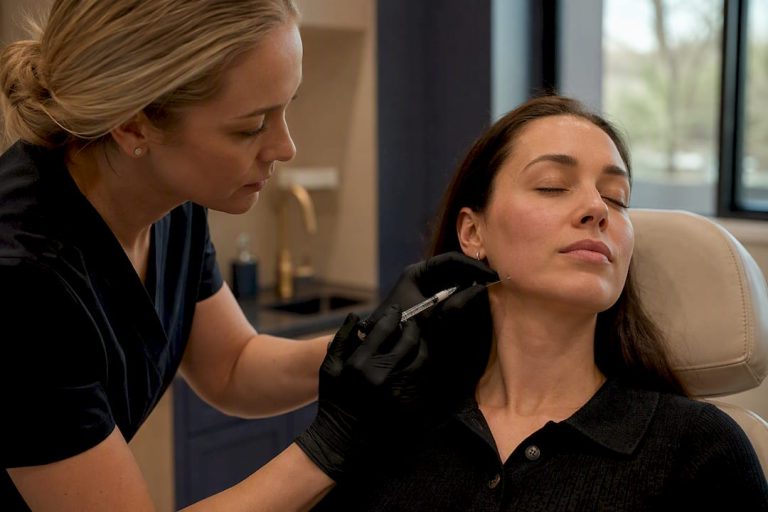
The Botox injection procedure is a medically supervised process involving consultation, precise muscle targeting, and careful administration of botulinum toxin by a licensed professional. The treatment works because botulinum toxin blocks acetylcholine release, the chemical messenger that tells muscles to contract. Without that signal, the targeted muscle relaxes, and the overlying skin smooths out. This mechanism is why Botox addresses dynamic wrinkles, the lines formed by repeated facial movement, rather than static lines caused by volume loss or skin laxity.
The most commonly treated areas include the glabellar complex (the “11” lines between the brows), horizontal forehead lines, and crow’s feet at the outer corners of the eyes. Each area requires a different number of injection points and a tailored dose, which is why injections are not one-size-fits-all. A skilled injector assesses your unique facial anatomy and movement patterns before placing a single needle.
What happens before the Botox injection?
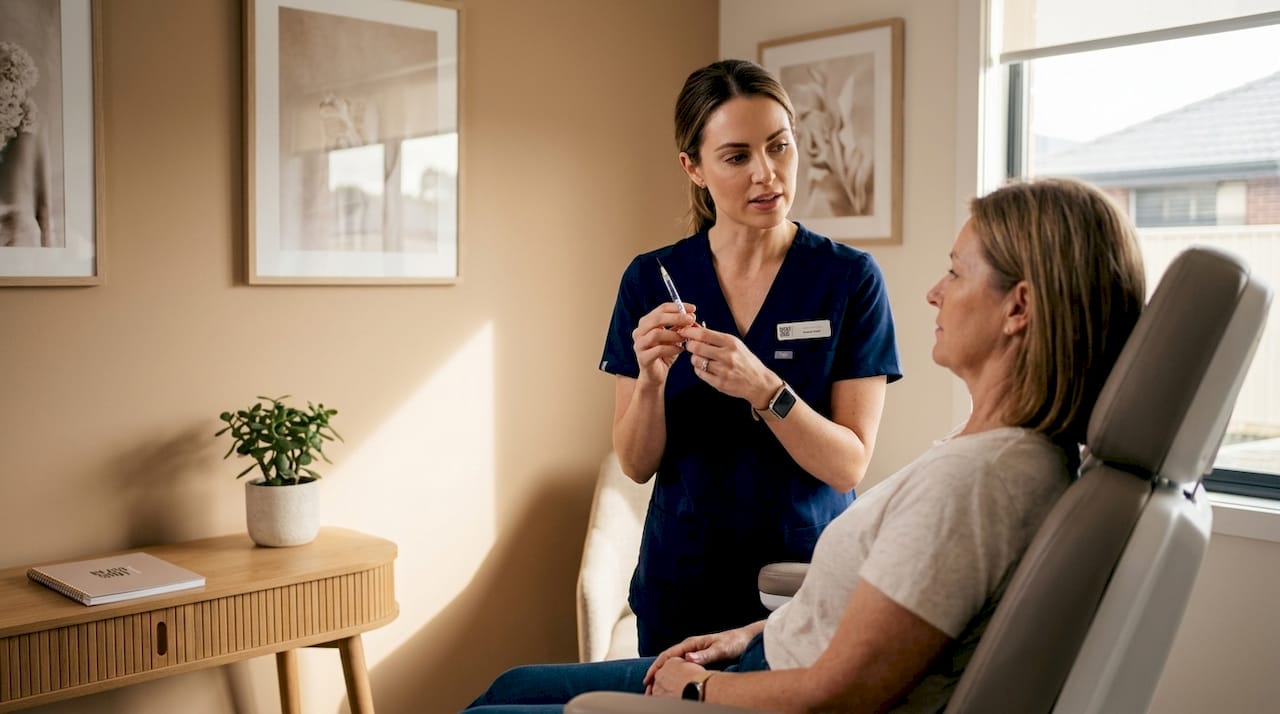
Preparation for the botox treatment process begins well before you sit in the treatment chair. A thorough consultation with a licensed provider covers your medical history, current medications, allergies, and treatment goals. This step is not a formality. It determines whether Botox is appropriate for you and which muscles need to be addressed.
During the consultation at Beautyshotmedicalclinic, you will discuss:
- Your aesthetic goals. Are you looking to soften frown lines, lift the brow slightly, or address crow’s feet? Clarity here shapes the entire treatment plan.
- Your medical history. Neuromuscular disorders such as myasthenia gravis or Lambert-Eaton syndrome are contraindications. Certain medications, including blood thinners, can increase bruising risk.
- Product authenticity. Botulinum toxin is prescription-only and not sold to the public. You should confirm your provider uses Health Canada or FDA-approved products sourced through licensed channels.
- Comfort options. For sensitive areas, a topical numbing cream may be applied 20 to 30 minutes before the procedure. Topical numbing is used for comfort during injections in more sensitive regions.
- Pre-treatment instructions. Avoiding alcohol, aspirin, and anti-inflammatory medications for several days before your appointment reduces bruising risk.
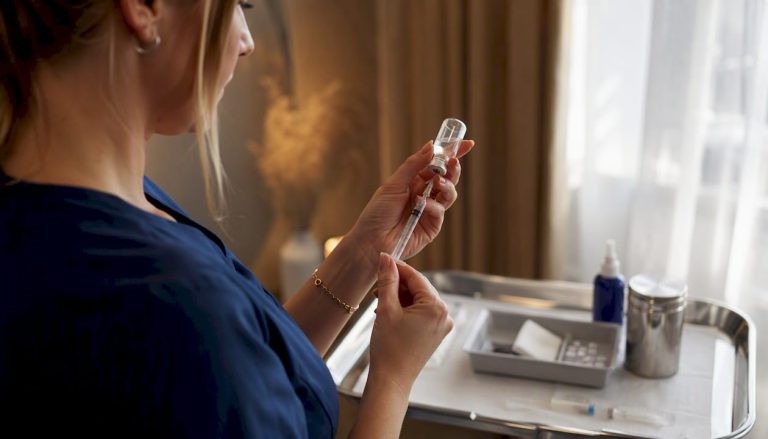
Pro Tip: Ask your provider to show you the vial before the injection begins. Watching the toxin drawn from a labelled, sealed vial is a straightforward way to verify product authenticity and confirm you are receiving a legitimate, approved product.
You can also review pre-treatment preparation tips to arrive at your appointment fully ready.
How do practitioners identify injection sites and perform the injection?
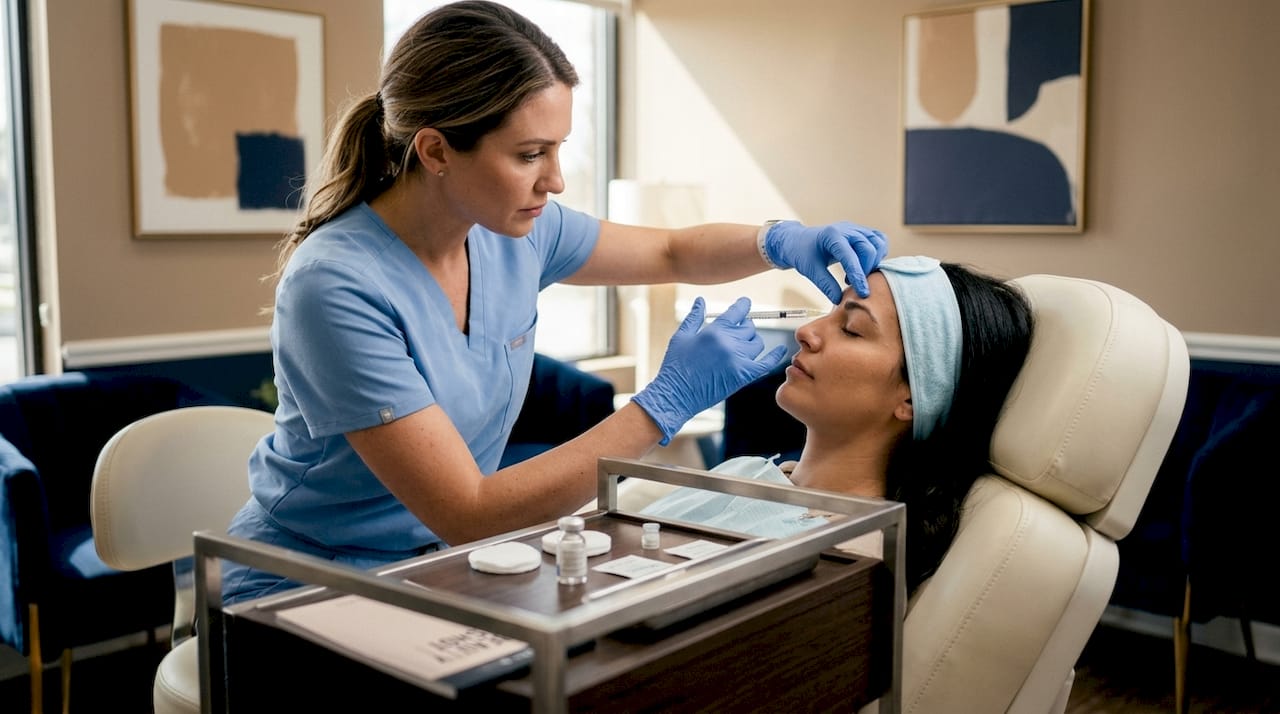
Identifying the correct injection sites is the most technically demanding part of the botox injection steps, and it separates skilled injectors from those who produce unnatural results. The process begins with a dynamic assessment: your provider will ask you to frown, raise your brows, squint, and smile. This reveals exactly which muscles are active and how strongly they contract, which is unique to every patient.
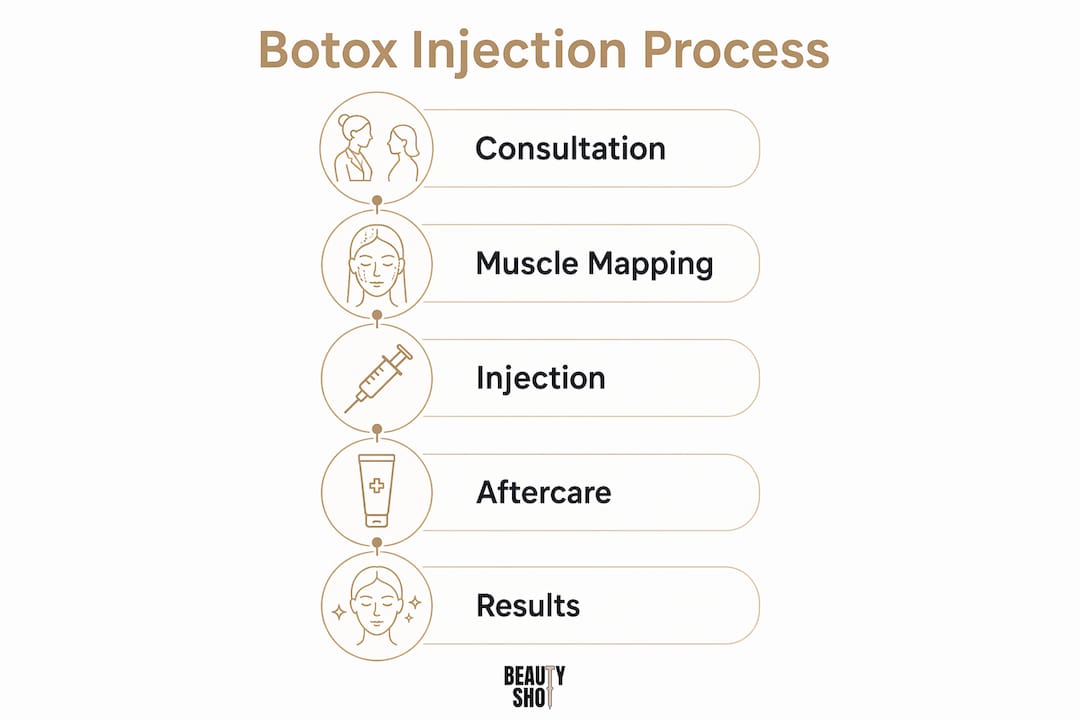
Here is how the injection process unfolds step by step:
- Dynamic muscle assessment. Active expression during consultation identifies precise injection points unique to each patient’s anatomy. Your provider maps the muscles visually before marking the skin.
- Marking safety zones. Experienced injectors mark specific points and identify anatomical boundaries to reduce off-target diffusion of the toxin into surrounding muscles.
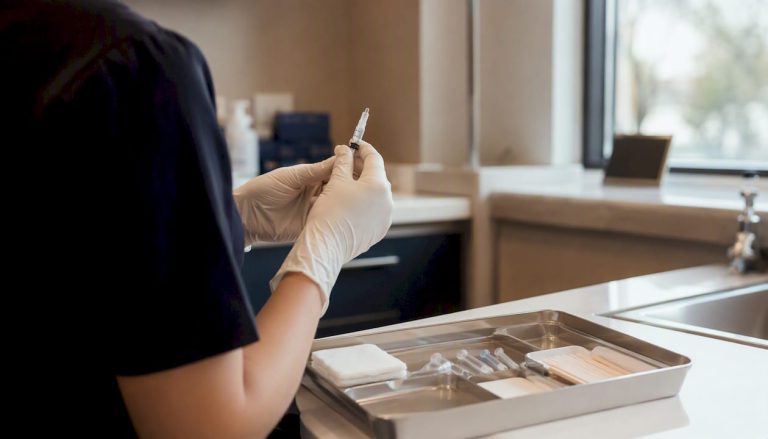
- Reconstitution of the toxin. Botulinum toxin arrives as a powder and is reconstituted with sterile saline immediately before use. Accurate dilution is critical to consistent dosing.
- Needle selection. A 30G or 32G fine needle is standard for botulinum toxin injections. The fine gauge minimises tissue trauma and reduces discomfort significantly compared to larger needles.
- Injection at targeted sites. For glabellar lines, five precise injection sites are used, targeting the corrugator supercilii and procerus muscles. Each injection delivers a small, measured dose directly into the muscle belly.
- Accounting for needle dead space. Because injected volumes are very small, careful technique accounts for the fluid remaining in the needle hub to deliver accurate dosing at every site.
The table below shows how injection site count and technique vary by treatment area:
| Treatment area | Typical injection sites | Common needle gauge |
|---|---|---|
| Glabellar lines (frown lines) | 5 sites | 30G or 32G |
| Forehead lines | 4 to 6 sites | 30G or 32G |
| Crow’s feet | 2 to 3 sites per side | 30G or 32G |
| Brow lift | 1 to 2 sites per side | 32G |
Pro Tip: If your injector does not ask you to make facial expressions before marking the injection sites, that is worth noting. Dynamic muscle assessment is a clinical standard for personalised, natural-looking results.
For a broader look at which facial muscles are commonly treated, the Botox treatment areas checklist at Beautyshotmedicalclinic is a helpful reference.
What should you expect during and after the procedure?
The overall procedure takes about 15 to 20 minutes, making it genuinely suitable for a lunch break appointment. The session itself is brief, but the preparation and post-injection observation add a little time on either side. Most patients describe the sensation as a quick sting at each injection point, resolving within seconds.
Here is what to expect immediately after your botox injection procedure:
- Mild redness and swelling. Erythema, oedema, and tenderness at injection sites are normal and typically resolve within hours to a few days.
- Possible bruising. Minor bruising can occur, particularly around the eye area. Ice applied gently to the area immediately after the injection helps reduce this.
- No rubbing or pressure. Avoid touching, massaging, or applying pressure to treated areas for at least four hours post-injection. This prevents the toxin from migrating to unintended muscles.
- Stay upright. Remain upright for at least four hours after treatment. Lying flat too soon after injection is not recommended.
- Resume normal activities. Most patients return to their regular day immediately. Strenuous exercise is best avoided for 24 hours.
- No immediate results. The muscle relaxation does not happen on the table. You will leave looking the same as when you arrived, which is completely normal.
Detailed guidance on what to do after your session is covered in the Botox aftercare guide at Beautyshotmedicalclinic.
How long until Botox takes effect and how long do results last?
Botox effects develop gradually because the pharmacological mechanism requires time to take hold at the neuromuscular junction. Patients should allow one to two weeks for the full effect to become visible, and a two-week follow-up is standard practice to assess results.
The table below outlines the typical timeline for onset and duration by treatment area:
| Stage | Timeframe | What you notice |
|---|---|---|
| Initial onset | 3 to 5 days | Subtle reduction in muscle movement begins |
| Peak effect | 10 to 14 days | Full muscle relaxation and wrinkle smoothing visible |
| Maintained results | 2 to 3 months | Consistent softening of treated lines |
| Gradual return | 3 to 4 months | Muscle activity slowly resumes as SNAP-25 regenerates |
| Re-treatment | Every 3 to 4 months | Recommended when movement and lines return |
Effects last about three months on average, though individual factors including metabolism, muscle mass, and treatment area influence duration. Patients who maintain regular appointments often find their results extend slightly over time as the treated muscles gradually weaken with consistent use. Re-treatment is recommended when you notice the return of muscle movement and the lines you originally came in to address.
What safety measures and risks are associated with Botox?
Botox is safe when administered by a licensed professional using approved products in a clinical setting. The risks arise primarily from improper technique, unverified products, or administration outside a medical environment. Understanding these risks helps you ask the right questions before your appointment.
Key safety considerations include:
- Licensed administration only. Improper injection can cause toxin spread, leading to adverse effects such as drooping eyelids (ptosis), asymmetry, or in rare cases, difficulty swallowing or breathing.
- FDA and Health Canada approved products. Only botulinum toxin products approved by regulatory authorities should be used. Counterfeit or unregulated products carry serious health risks.
- Contraindications. Neuromuscular disorders, pregnancy, breastfeeding, and known hypersensitivity to botulinum toxin or albumin are contraindications that must be screened during consultation.
- Bruising management. Ice and gentle pressure immediately after injection reduce bruising. Serious infections or nerve injury are very rare with proper technique.
- Product traceability. Watching your provider draw the toxin from a labelled, sealed vial confirms the product is legitimate and properly stored.
“The safety of Botox is directly tied to who administers it and how. A thorough consultation, verified products, and precise anatomical knowledge are what separate a safe, beautiful result from a preventable complication.”
— Irene Soni, R.N., BScN, Beautyshotmedicalclinic
For a deeper look at the evidence behind Botox safety, the Botox safety research article at Beautyshotmedicalclinic covers the clinical literature in accessible detail.
Key takeaways
The Botox injection process is safe and predictable when performed by a licensed professional using approved botulinum toxin, precise anatomical targeting, and individualised dosing.
| Point | Details |
|---|---|
| Mechanism of action | Botulinum toxin blocks acetylcholine release at neuromuscular junctions, relaxing targeted muscles temporarily. |
| Injection precision | Dynamic facial assessment and safety zone marking guide placement; glabellar lines require five precise injection sites. |
| Procedure duration | A full Botox session takes approximately 15 to 20 minutes with results developing over one to two weeks. |
| Results timeline | Peak effect appears at two weeks and lasts three to four months before re-treatment is needed. |
| Safety depends on provider | Licensed administration, approved products, and thorough screening are the foundations of a safe outcome. |
My perspective on what makes Botox truly safe and personalised
After nine years of performing cosmetic injectables, the single most important factor in a good Botox outcome is the consultation, not the injection itself. Patients often focus on the needle, but the real work happens before it is picked up. Understanding your facial anatomy, your movement patterns, and your goals shapes every decision about where to inject, how much to use, and what to leave alone.
I have seen patients come to me after treatments elsewhere where the injector used a standard template rather than assessing their individual muscles. The results looked stiff or unbalanced because the treatment ignored what made their face unique. At Beautyshotmedicalclinic, I ask every patient to frown, squint, and raise their brows before I mark a single point. That dynamic assessment is non-negotiable.
The other thing I want patients to understand is that Botox is not a permanent commitment. The effects fade, the muscle returns to normal function, and you are never locked into a result. That temporary nature is actually one of the treatment’s greatest strengths, especially for first-time patients who are understandably cautious. Start conservatively, see how your face responds, and build from there. Natural and refreshed is always the goal.
— Felix
Experience Botox done right at Beautyshotmedicalclinic
At Beautyshotmedicalclinic, every Botox treatment is performed by Irene Soni, R.N., BScN, an advanced cosmetic nurse injector with nine years of clinical experience and training through Allergan, Teoxane Academy, and Clarion Medical. Each appointment begins with a personalised consultation, a thorough medical screening, and a dynamic facial assessment to guide precise, anatomy-driven injection placement. The focus is always on natural-looking results that leave you looking refreshed and like yourself. Browse the before and after gallery to see real patient outcomes, or book your first Botox treatment and take the first step with confidence.
FAQ
How does Botox reduce wrinkles?
Botox reduces wrinkles by blocking acetylcholine release at the neuromuscular junction, which prevents the targeted muscle from contracting. Without repeated muscle movement, the overlying skin smooths and dynamic wrinkles soften.
Is the Botox injection painful?
Most patients describe a brief stinging sensation at each injection point that resolves within seconds. Fine-gauge needles (30G or 32G) are used to minimise discomfort, and topical numbing cream can be applied beforehand for sensitive areas.
How long does it take to see Botox results?
Initial muscle relaxation begins within three to five days, with full results visible at approximately two weeks post-injection. Patients should not expect immediate visible changes on the day of treatment.
How long do Botox results last?
Botox effects typically last three to four months before muscle activity gradually returns as SNAP-25 regenerates. Regular maintenance treatments every three to four months sustain results over time.
Who should not get Botox injections?
Botox is contraindicated for individuals with neuromuscular disorders such as myasthenia gravis, those who are pregnant or breastfeeding, and anyone with a known allergy to botulinum toxin or human albumin. A thorough consultation with a licensed provider confirms whether the treatment is appropriate for you.
Recommended
- The Science Behind Botox: How Does It Work? – Beauty Shot | Botox Fillers Woodbridge Vaughan
- Botox’s Journey: From Toxin to Beauty Treatment – Beauty Shot | Botox Fillers Woodbridge Vaughan
- Decoding Botox: Ingredients and Their Roles – Beauty Shot | Botox Fillers Woodbridge Vaughan
- What to Expect: The Botox Procedure from Start to Finish – Beauty Shot | Botox Fillers Woodbridge Vaughan