
Overdone Botox is defined as excessive neuromodulator relaxation of facial muscles, producing an unnatural, expressionless appearance that no longer reflects the patient’s true personality. Botox, the brand name for botulinum toxin type A, works by blocking nerve signals to targeted muscles to soften wrinkles. The problem is not the treatment itself. The problem is too many units, poor placement, or both. Understanding why Botox looks overdone is the first step toward making confident, informed decisions about your own treatment. At Beautyshotmedicalclinic in Woodbridge, Vaughan, the goal is always a refreshed, balanced result that still looks like you.
Why does Botox look overdone? The clinical picture
The frozen, waxy appearance most people associate with Botox gone wrong has a measurable clinical cause. Exceeding 400 units of neuromodulator within a three-month period raises the risk of drooping features and reduced emotional communication. That threshold matters because it shows the problem is not Botox itself but the volume and frequency of use.
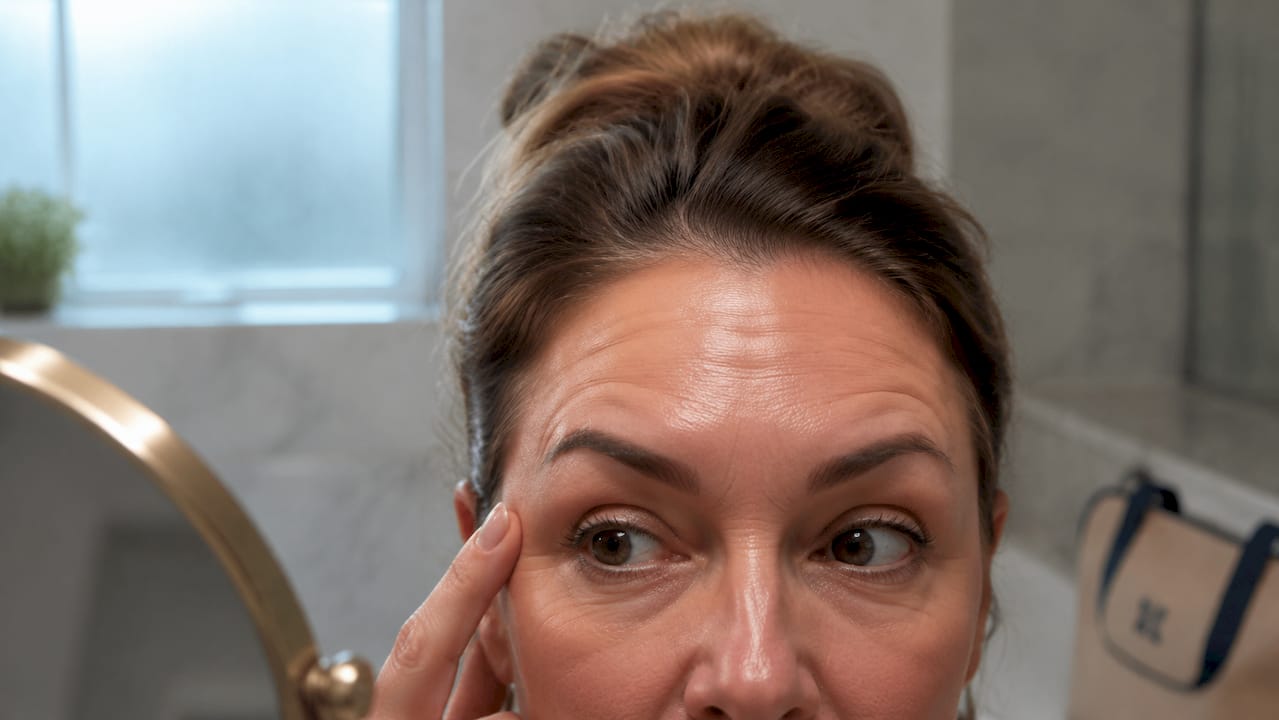
Dosing in specific muscles is equally critical. Using more than 20 units in the frontalis, the broad muscle across your forehead, commonly produces a heavy, expressionless forehead. Conservative aesthetic practice treats 20 units as a high threshold for that single muscle, not a starting point.
The areas most prone to overdosing are the forehead, the glabella (the space between the brows), and the orbicularis oculi around the eyes. Each of these zones controls micro-expressions that communicate emotion. Over-relax them and the face loses the subtle, coordinated movement that makes a person look alive and engaged.
One reassuring fact: Botox effects last three to four months as the body metabolises the product naturally. An overdone result is temporary. That said, three to four months of looking frozen or tired is a significant quality-of-life concern, which is why preventing the problem matters far more than waiting it out.
Pro Tip: Ask your injector to state the exact unit count for each area before treatment begins. A skilled practitioner will have a clear, personalised plan and will welcome that question.
| Area | Common overdose sign | Conservative unit range |
|---|---|---|
| Frontalis (forehead) | Heavy brows, expressionless forehead | 10–20 units |
| Glabella (between brows) | Frozen, angry appearance | 15–25 units |
| Orbicularis oculi (crow’s feet) | Waxy skin, reduced eye movement | 6–15 units per side |
What injection errors cause an overdone appearance?
Poor product placement, excessive dosage, and ignoring facial muscle dynamics are the three primary causes of unnatural Botox results. Each error compounds the others. A practitioner who uses too many units in the wrong location creates both a volume problem and a placement problem simultaneously.
One of the most recognisable Botox aesthetic mistakes is the “Spock brow,” where the outer portion of the eyebrow arches unnaturally high. This happens when the medial frontalis is treated but the lateral portion is left untouched, creating an uneven pull on the brow. It is a direct consequence of treating wrinkles in isolation rather than assessing the entire facial system.
Over-treating the forehead removes the eyebrow support provided by the frontalis muscle, causing heavy brows and drooping eyelids that make patients look tired or angry. The frontalis is the only muscle that lifts the brow. Paralyse it completely and gravity takes over.
Toxin migration is another concern. When product spreads beyond the intended injection site, it can reach the levator palpebrae muscle, causing eyelid ptosis, a temporary but noticeable drooping of the upper eyelid. This is more likely when injections are placed too close to the orbital rim or when patients rub the treated area shortly after treatment.
Common Botox aesthetic mistakes that lead to an overdone look include:
- Treating every visible line without assessing which muscles are responsible
- Ignoring compensatory muscle movements, where untreated muscles overwork to compensate for paralysed ones
- Chasing social media trends that prioritise a “snatched” or ultra-smooth look over natural expression
- Escalating doses too quickly between appointments without allowing the previous treatment to fully settle
- Choosing an injector based on price rather than anatomical training and clinical experience
Pro Tip: If a practitioner does not ask you to animate your face (raise your brows, squint, smile) before injecting, that is a warning sign. Dynamic assessment is non-negotiable for safe, natural results.
How do expert injectors preserve natural expression?
The most important distinction in expert Botox technique is the difference between softening movement and eliminating it. Preserving micro-expressions and softening movement, rather than achieving full muscle paralysis, is what separates a natural result from a frozen one. Healthy facial expression depends on coordinated muscle activity, and treatment must maintain that balance.
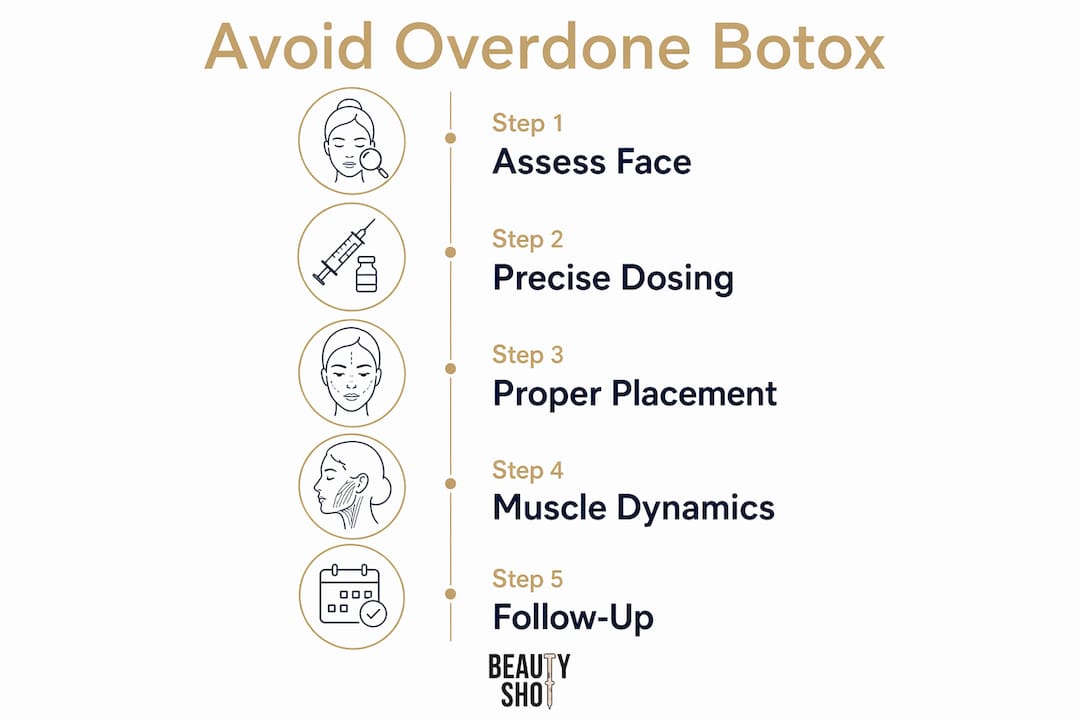
Here is how experienced injectors approach a treatment plan to avoid the overdone look:
-
Assess facial muscle dynamics first. Before a single unit is placed, a thorough evaluation of muscle tone, skin quality, and movement patterns is completed. Compensatory muscle movements must be evaluated before treatment. Failing this step leads to droopy brows and an unnatural, tired appearance.
-
Respect the frontalis-depressor balance. The frontalis muscle works in opposition to the depressor muscles that pull the brow downward. The frontalis muscle’s balance with depressor muscles determines eyebrow position. Overrelaxing the frontalis causes brow ptosis and eyelid heaviness. Expert injectors dose this muscle conservatively and often spare the lower fibres entirely.
-
Use Baby Botox or micro-unit dosing. Gradual, conservative dosing with micro-injections supports natural results and allows for follow-up adjustments. Baby Botox approaches maintain 15 to 20 percent of muscle movement, which is enough to soften lines without eliminating expression.
-
Apply precise injection placement using micro-units. Avoiding toxin spread preserves facial fluidity while achieving wrinkle softening. Smaller volumes placed with precision are more effective than larger volumes placed carelessly.
-
Build a gradual treatment plan with follow-up. A two-week follow-up appointment allows the injector to assess results and make small corrections before the next full treatment cycle. This approach is far safer than loading units upfront and hoping for the best.
The goal at Beautyshotmedicalclinic is always to treat the facial system as a whole, not just the lines you can see. Natural-looking Botox results come from understanding how every muscle group interacts, not from targeting wrinkles one by one.
How can you recognise and avoid overdone Botox?
Knowing the signs of too much Botox before and after treatment gives you the confidence to ask the right questions and make better decisions. Signs to watch for include an expressionless forehead, uneven brows, waxy skin texture, and eyelid heaviness. Recognising these signs early helps you communicate clearly with your provider.
Warning signs that your Botox result may be overdone:
- Frozen forehead. You cannot raise your brows at all, or the movement feels stiff and limited.
- Heavy eyelids or a tired look. The upper eyelid appears lower than before treatment.
- Asymmetrical brows. One brow sits noticeably higher or lower than the other.
- Shiny or waxy skin texture. The skin appears unnaturally smooth, almost plastic in appearance.
- Inability to show emotion. Smiling, frowning, or looking surprised produces little visible change in the upper face.
Choosing an experienced, board-certified injector who respects anatomy reduces the risks of these outcomes. Proper assessment of muscle tone, skin quality, and movement patterns is the foundation of safe treatment. In Ontario, Registered Nurses with advanced cosmetic training are qualified to perform these assessments and administer injectables safely.
| Approach | Likely outcome |
|---|---|
| Conservative dosing with follow-up | Natural, refreshed appearance with preserved expression |
| Aggressive dosing in one session | Frozen look, heavy brows, reduced emotional range |
| Trend-chasing without anatomical assessment | Asymmetry, Spock brow, or unnatural texture |
| Gradual escalation over multiple visits | Personalised result that improves with each session |
If you are already experiencing an overdone result, the most practical option is to wait. Botox effects resolve naturally within three to four months. In some cases, a small corrective injection in a neighbouring muscle can restore balance while the original treatment metabolises. Discuss this with your injector at a follow-up appointment rather than seeking additional treatment elsewhere without context.
Pro Tip: Accepting some visible movement and even a few softened lines is not a compromise. Accepting some visible lines as natural is key to maintaining a dynamic and authentic appearance. The goal is to look like a well-rested version of yourself, not a different person.
Key takeaways
Overdone Botox results from excessive dosing and poor injection technique that disrupt natural facial muscle balance, and the solution is conservative, anatomy-led treatment with gradual escalation.
| Point | Details |
|---|---|
| Dosing thresholds matter | Exceeding 20 units in the frontalis or 400 units total in three months significantly raises the risk of a frozen appearance. |
| Placement is as important as volume | Poor injection placement causes toxin migration, asymmetry, and unnatural expressions regardless of unit count. |
| Preserve movement, do not eliminate it | Expert injectors aim for 15 to 20 percent residual muscle movement to maintain natural expression. |
| Signs of overdone Botox are recognisable | Frozen forehead, heavy eyelids, waxy skin, and asymmetrical brows are the clearest indicators of too much treatment. |
| Results are temporary and correctable | Botox metabolises naturally within three to four months, and follow-up adjustments can restore balance sooner. |
Why I always start with less and adjust from there
After nine years of performing cosmetic injectables, the most consistent thing I have observed is this: patients who look overdone were almost never overdone on their first visit. The frozen look builds gradually, often because each appointment adds a few more units to “improve” the previous result, until the cumulative effect crosses the line into unnatural territory.
The insight I find most clinically useful is that frozen looks result not from Botox itself but from treating wrinkles instead of the entire facial system. When you chase every line in isolation, you disrupt the coordinated muscle activity that makes a face look alive. That is the mistake I see most often, and it is entirely preventable.
My approach at Beautyshotmedicalclinic is to start conservatively, assess at two weeks, and build from there. I would rather a patient come back for a small touch-up than leave with a result that does not feel like them. Every face has a unique muscle anatomy, a unique resting position, and a unique set of expressions that matter to that person. A personalised Botox treatment plan respects all of that.
The patients who are happiest with their results are the ones who came in with realistic expectations, communicated openly about what they wanted, and trusted the process of gradual refinement. That relationship between patient and injector is what produces a result that looks refreshed, balanced, and genuinely like you.
— Felix
Natural Botox results at Beautyshotmedicalclinic
At Beautyshotmedicalclinic in Woodbridge, Vaughan, every Botox treatment is performed by Irene Soni, R.N., BScN, an advanced cosmetic nurse injector with over nine years of clinical experience and training in Allergan techniques, MD Codes, and Teoxane Academy protocols. Irene’s approach is built on conservative dosing, thorough anatomical assessment, and personalised treatment plans that prioritise your natural expression over a one-size-fits-all result.
If you are concerned about looking overdone or simply want to understand how Botox works before committing to treatment, a consultation is the right first step. You will leave with a clear plan, honest expectations, and the confidence that your result will look like a better version of you. Reach out to Beautyshotmedicalclinic to book your appointment today.
FAQ
What causes Botox to look frozen or unnatural?
Botox looks frozen when too many units are used in a single muscle group or when placement disrupts the natural balance between opposing muscles. Exceeding 20 units in the frontalis or ignoring compensatory muscle movements are the most common clinical causes.
How many units of Botox is too much?
Exceeding 400 units of neuromodulator within a three-month period raises the risk of a frozen or expressionless appearance. For individual muscles like the frontalis, 20 units is considered a high threshold in conservative aesthetic practice.
How long does an overdone Botox result last?
Botox effects last three to four months as the body metabolises the product naturally. An overdone result will resolve on its own within this timeframe, though a corrective injection in a neighbouring muscle can sometimes restore balance sooner.
What are the signs of too much Botox?
Signs include a frozen or expressionless forehead, heavy or drooping eyelids, asymmetrical brows, a waxy or shiny skin texture, and a reduced ability to show emotion through facial movement.
How do I avoid looking overdone with Botox?
Choose an injector with advanced anatomical training, request a conservative starting dose, attend your two-week follow-up, and resist escalating units too quickly between appointments. Discussing your goals clearly before treatment is the single most effective preventive step.
Recommended
- What is natural-looking Botox and how to achieve it
- Botox vs fillers treatment areas: what to know
- BOTOX Uncovered: Is It Safe Long-Term and What Side Effects Should You Know? – Beauty Shot | Botox Fillers Woodbridge Vaughan
- The Science Behind Botox: How Does It Work? – Beauty Shot | Botox Fillers Woodbridge Vaughan