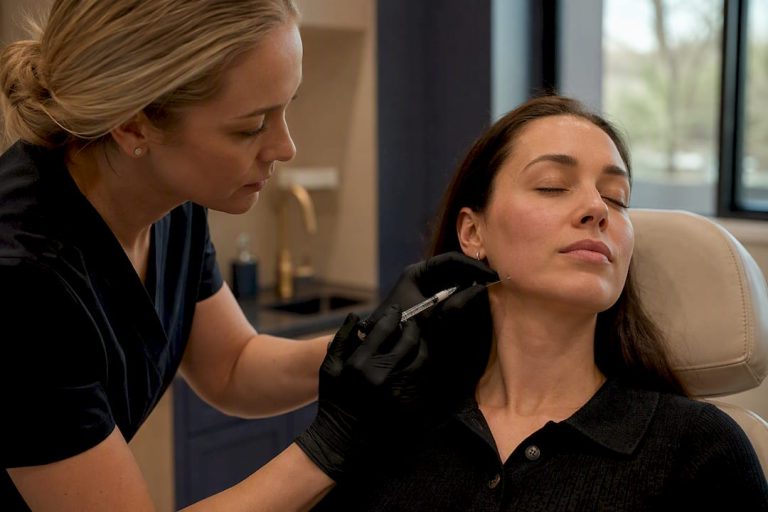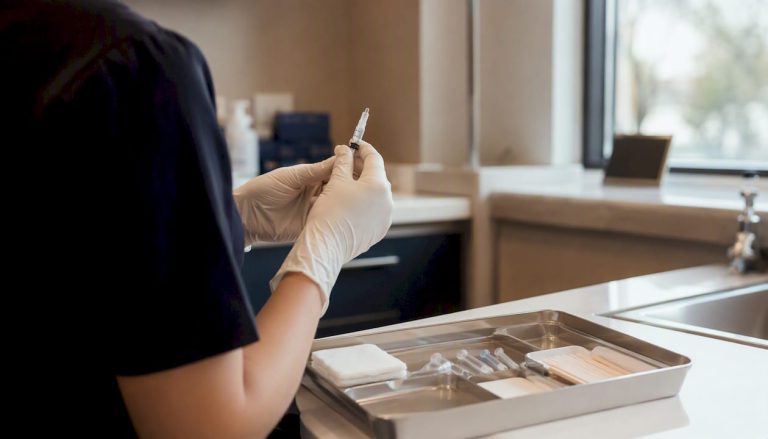

Most injectables feel like a quick pinch or mild pressure, not the sharp, lasting pain many first-timers imagine. The anticipation of that first needle is almost always worse than the injection itself, and most patients are genuinely surprised by how manageable it is.
Here is what to expect by type:
- Botox and Dysport (neuromodulators): a tiny, quick pinch, typically rated 1–2 out of 10. Fine needles and small volumes mean it is over in seconds.
- Hyaluronic acid fillers (e.g., Juvéderm): a feeling of pressure, fullness, or soft tugging as product is placed. Many formulations contain lidocaine, which eases discomfort as the treatment progresses. Most patients rate filler discomfort 2–4 out of 10.
- Lip filler: the most sensitive of the common injectable treatments. Expect a more noticeable sting and immediate swelling, though topical numbing and nerve blocks make it very tolerable. Most patients rate lip filler discomfort 3–4 out of 10.
How do different injectables feel compared to each other?
The sensation you feel depends almost entirely on which product is being injected, where it is placed, and how much volume is involved. Understanding those differences helps you walk in prepared.
Neuromodulators: Botox and Dysport
Botox and Dysport are injected with very fine needles into specific muscles, usually in small amounts at multiple points. The sensation is a brief, sharp pinch, and each injection lasts under a second. Neuromodulators typically cause only mild discomfort and most people do not need topical numbing at all.
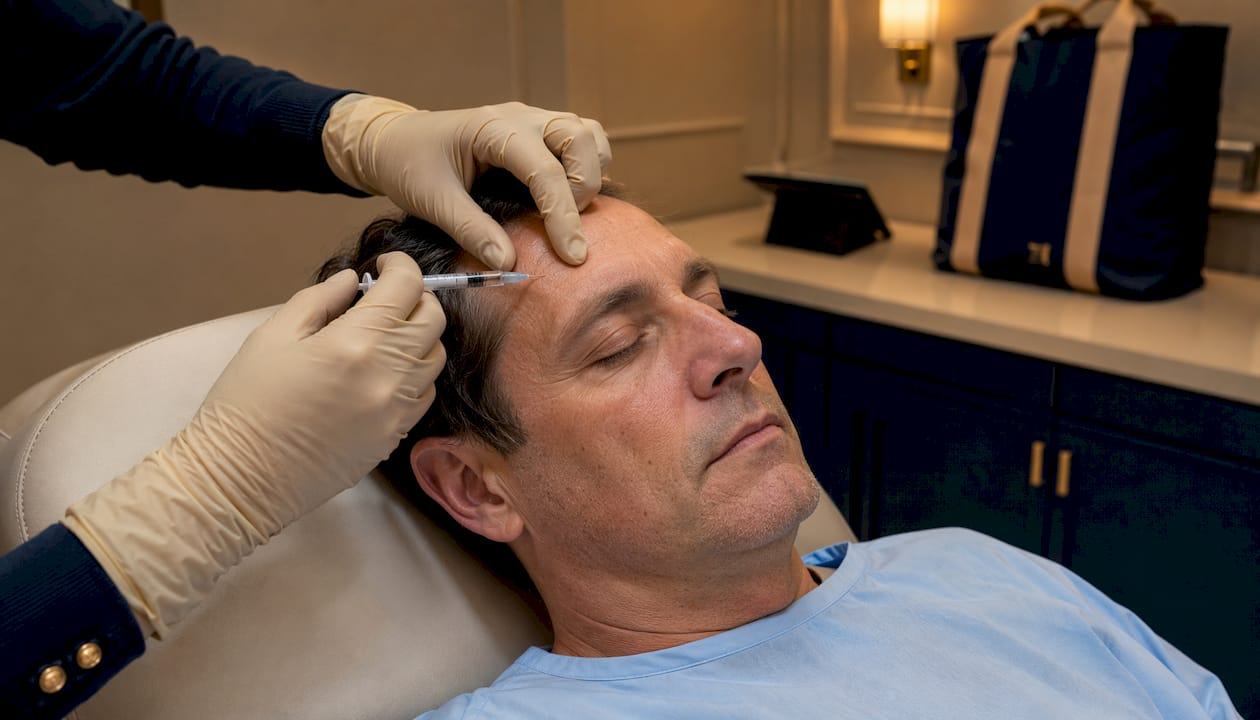
What surprises many patients is what happens in the days after. A retrospective review published in Plastic and Reconstructive Surgery Global Open found that 69.6% of patients reported treatment-associated sensations following botulinum toxin A injections, with tightness (47.3%), headache (41.8%), and heaviness (38.2%) being the most common. These are signs of the toxin working, not a complication, and they typically resolve within a few days.
Hyaluronic acid dermal fillers
Fillers involve placing a gel-like substance under the skin, which means you feel more than a pinch. The typical sensations are:
- Pressure as the product is deposited into tissue
- Fullness that builds gradually with each aliquot
- A soft tugging when the injector massages the area to distribute product evenly
- Occasional mild stinging at the needle entry point, which fades quickly
Patients typically rate filler discomfort 2–4 out of 10, and it decreases as the lidocaine in the filler takes effect. Most modern hyaluronic acid formulations, including Juvéderm products, contain pre-mixed lidocaine for exactly this reason. You can read more about how these products work in this dermal fillers overview.
Lip filler specifically
Lips have a high density of nerve endings, which is why lip filler sits at the more noticeable end of the injectable experience. Expect a sharper initial sting at the injection site, followed by a feeling of pressure and swelling that builds over the first few minutes. With good topical numbing and a skilled injector, most patients rate lip filler discomfort 3–4 out of 10.

A note on Sculptra and cannula technique
Sculptra (poly-L-lactic acid) is injected as a fluid and feels lighter during placement, though the treatment area may feel tender for a day or two afterward. When a blunt cannula is used instead of a needle, technique and device choice change the sensation considerably: there is less of a sharp entry point and more of a dull pressure as the cannula moves through tissue. Many patients find cannula-based treatments more comfortable overall.
Which facial areas feel the most sensitive?
Not all areas of the face respond the same way. Here is a practical ranking from most to least sensitive, based on nerve density and tissue depth:
- Lips: most sensitive due to dense nerve supply; sting is more pronounced
- Tear troughs (under-eye area): thin skin and proximity to the orbital rim make this area feel more intense
- Chin and perioral lines: moderate sensitivity; the mentalis muscle can feel tender after neuromodulator injections
- Nasolabial folds and cheeks: generally the most comfortable areas; thicker tissue and fewer superficial nerve endings mean less discomfort
Anxiety genuinely amplifies perceived pain. When you are tense, your muscles tighten, which makes needle insertion feel sharper. An experienced injector will pace the treatment, talk you through each step, and give you a moment to breathe between injection points.
Pro Tip: If you are planning a lip filler session, ask your provider about a dental nerve block. A randomised split-face trial found that 77% of patients perceived filler injections with an anaesthetic nerve block as less painful than topical methods alone, and 56% preferred nerve blocks for future treatments.
What you will feel during a typical injectable appointment
A standard appointment at a clinic like Beautyshotmedicalclinic follows a predictable sequence. Knowing what comes next makes each step feel less uncertain.
- Consultation and facial mapping. Your injector reviews your goals, assesses your anatomy, and marks the treatment points with a soft pencil or pen. You will feel light pressure from the marking. This step matters enormously for both comfort and outcome.
- Skin cleansing. The area is cleaned with an antiseptic. It feels cool and slightly damp, nothing more.
- Topical numbing (where indicated). A lidocaine-based cream is applied and left on for 15–20 minutes. It creates a mild numbing sensation on the skin surface, which you will notice as a slight tingling before the area goes dull.
- Ice or cooling. Just before injection, ice or a cold compress may be applied for 30–60 seconds. This constricts surface vessels (reducing bruising risk) and briefly numbs the skin.
- Injections. Each injection takes one to three seconds. You will feel a pinch or pressure, then it is done. The injector works through the mapped points methodically, pausing between areas.
- Post-injection massage or cooling. For fillers, gentle massage helps distribute product evenly. You may feel mild tenderness during this step.
A typical Botox or Dysport appointment takes 15–20 minutes from start to finish. A filler session, depending on the number of areas treated, usually runs 30–45 minutes. First filler treatment expectations vary by area, but most patients are back to their day within the hour.
How providers reduce discomfort during treatment
Pain management in aesthetic medicine has come a long way. A skilled injector has several tools available, and the right combination depends on the treatment area and your personal sensitivity.
Common comfort measures:
- Topical anaesthetic creams (lidocaine/tetracaine combinations) applied 15–20 minutes before treatment; widely used in clinic pre-treatment protocols for fillers and more diffuse treatments
- Ice and cold compresses applied immediately before each injection point to numb the surface and reduce bruising
- Vibration or pressure applied near the injection site to distract nerve signals (the gate-control principle)
- Lidocaine pre-mixed in filler (most modern hyaluronic acid products include this, so discomfort decreases as the session progresses)
- Dental nerve blocks for lip-focused sessions, where topical numbing alone may not be sufficient
Equipment and technique choices also matter significantly. Fine-gauge needles cause less tissue trauma than thicker ones. Slow, steady product placement is more comfortable than rapid bolus injection. A blunt cannula, where appropriate, reduces the number of entry points and the associated pinching. For safe application and documentation of topical numbing products, clinic protocols follow established aesthetic guidelines.
Pro Tip: Before your appointment, tell your injector exactly how anxious you are and which areas concern you most. A good injector will adjust their approach, whether that means spending more time on numbing, using a cannula, or simply slowing down the pace.
What to expect in the hours and days after treatment
Recovery from injectables is minimal compared to surgical procedures, but there is a predictable timeline of sensations to be aware of.
Immediately after:
- Redness and pinpoint marks at injection sites, usually fading within an hour
- Mild swelling and tenderness, especially with fillers
- Possible small bumps under the skin that smooth out within 24 hours
First 24–48 hours:
- Peak swelling and bruising risk, particularly for lip filler and tear trough treatments
- Ice applied in the first 48 hours and avoiding strenuous exercise helps reduce both
- Sleep with your head slightly elevated if cheeks or under-eyes were treated
Days 3–14:
- Filler settles as swelling decreases; the final result becomes clearer around day 7–10
- Neuromodulator effects appear gradually over 3–7 days and reach full effect by day 14
- Any residual tenderness at injection sites typically resolves by day 5
When to contact your provider: Increasing pain (rather than decreasing), skin that turns white or develops a blue-grey tint, spreading redness or warmth suggesting infection, or any changes to your vision after filler treatment are not normal. Contact your clinic immediately or go to the nearest emergency department if you experience vision changes or severe, worsening pain.
When should you call your provider after injectables?
Distinguishing routine post-treatment effects from warning signs is one of the most useful things a first-timer can know.
Common and expected (no action needed):
- Bruising, swelling, redness, and tenderness at injection sites
- Small, firm lumps under the skin that soften within a week
- Mild headache after neuromodulator treatment
Uncommon but urgent (contact your clinic or seek care):
- Skin blanching (turning white) or a blue-grey colour change near the injection site, which may indicate vascular compromise
- Severe or increasing pain that does not respond to over-the-counter pain relief
- Spreading redness, warmth, or fever suggesting infection
- Vision changes, double vision, or sudden visual loss after any facial filler treatment
- Persistent numbness or weakness beyond the expected treatment area
Pro Tip: Save your clinic’s contact number in your phone before you leave the appointment. If something feels wrong in the first 24 hours, call immediately rather than waiting to see if it resolves.
The FDA’s guidance on dermal fillers is clear that vascular complications, while rare, require prompt treatment. Choosing a qualified, medically trained injector is the single most effective way to reduce that risk.
Who should be performing your injectable treatments?
The injector’s training matters more for your safety and comfort than any single anaesthetic technique. Mayo Clinic emphasises choosing qualified providers with facial anatomy knowledge to minimise risks such as bruising, asymmetry, or vascular complications.
Credentials to look for in Canada:
- Registered Nurse (RN) with advanced aesthetic injectable training
- Nurse Practitioner (NP) or Medical Doctor (MD) with documented aesthetic experience
- Completion of recognised courses: MD Codes, Allergan techniques, Teoxane Academy, or equivalent anatomy-focused programmes
- A demonstrable understanding of facial anatomy, vascular mapping, and emergency protocols
Questions to ask at your consultation:
- What is your training background and how long have you been injecting?
- How do you manage discomfort for patients who are anxious or sensitive?
- What is your protocol if a complication occurs?
- Can I see before-and-after photos of patients with similar anatomy to mine?
- Do you offer a follow-up appointment to assess results?
The difference between a cosmetic nurse and a doctor injector is less about the title and more about the depth of anatomy training and hands-on experience. Ask the questions above and trust the answers you get.
How to prepare for your injectable appointment
A little preparation goes a long way toward a more comfortable experience and a cleaner result.
One week before:
- Discuss with your provider whether to pause NSAIDs (ibuprofen, aspirin), fish oil, vitamin E, or other supplements that thin the blood; follow your clinic’s specific guidance
- Avoid alcohol for at least 24–48 hours before your appointment, as it increases bruising risk
The day of your appointment:
- Eat a light meal beforehand so your blood sugar is stable
- Stay well hydrated
- Arrive with a clean face, free of heavy makeup
- Wear comfortable clothing with a loose neckline so the treatment area is easily accessible
- Consider bringing a friend for moral support if it is your first time
Mental preparation:
- Practise slow, deep breathing before and during injections; it genuinely reduces perceived pain
- Remind yourself that the sensation is brief and that the anticipation is almost always worse than the reality
- Ask your injector to narrate each step so nothing catches you off guard
Pro Tip: Review the clinic’s filler appointment preparation guide before you go. Knowing exactly what to bring, what to avoid, and what to expect on the day removes a significant amount of pre-appointment anxiety.
What Irene Soni, R.N. tells every first-time patient
At Beautyshotmedicalclinic, every injectable treatment is performed by an advanced cosmetic Registered Nurse with 9+ years of experience and training in MD Codes, Allergan techniques, Teoxane Academy, and Clarion Medical protocols. That depth of anatomy training is what allows for slow, precise placement, appropriate cannula use, and a treatment pace that works for you, not against you.
What patients often do not realise is that technique is as important as the product. Small aliquots placed slowly, with pauses between injection points, feel meaningfully different from a rushed approach. The goal at every appointment is a result that looks refreshed and natural, not a face that announces it has been treated.
Pro Tip: Ask to see the before-and-after gallery before booking. Real patient results tell you more about an injector’s aesthetic sensibility than any marketing language.
Key takeaways
Choosing a qualified injector and arriving prepared are the two factors that most reliably determine how comfortable and satisfying your first injectable experience will be.
| Point | Details |
|---|---|
| Neuromodulator discomfort | Botox and Dysport typically rate 1–2 out of 10; fine needles and small volumes make each injection brief. |
| Filler sensation range | Hyaluronic acid fillers feel like pressure and fullness, rated 2–4 out of 10; lidocaine in the formula reduces discomfort as the session progresses. |
| Most sensitive area | Lips are the most sensitive treatment area due to high nerve density; a dental nerve block significantly reduces discomfort there. |
| Pain management options | Topical numbing cream, ice, lidocaine-containing fillers, and nerve blocks are all available; discuss preferences at your consultation. |
| Beautyshotmedicalclinic | Treatments are performed by an advanced cosmetic RN using slow, anatomy-led technique to keep the experience as comfortable as possible. |
A note on deciding whether injectables are right for you
Every patient I see comes in with a different level of concern about discomfort, and that is completely understandable. What I want you to know is that the conversation we have before a single needle is picked up is the most important part of the appointment. We look at your anatomy together, talk about what you want to achieve, and build a plan that fits your face, not a template.
Discomfort is real, but it is almost always manageable, and it is brief. What matters far more is that you feel heard, that the treatment is paced for you, and that the result looks like a better version of you rather than someone else entirely. An unrushed consultation is where that starts.
Ready to book your first consultation at Beautyshotmedicalclinic?
If you have been sitting with questions about what to expect, the best next step is a conversation. Beautyshotmedicalclinic, located in Woodbridge, Vaughan, offers first-time patients a thorough consultation with an advanced cosmetic RN before any treatment begins. You will leave knowing exactly what is planned, how discomfort will be managed, and what your results can realistically look like.
Browse the injectable cosmetics guide for a full overview of available treatments, or go straight to the dermal fillers service page if fillers are what you have in mind. When you are ready, book your consultation directly through the clinic website.
Useful sources
These resources offer reliable, evidence-based information for anyone researching cosmetic injectables:
- FDA: Dermal Filler Do’s and Don’ts — the U.S. regulatory authority’s plain-language guidance on approved uses, risks, and what to avoid; directly applicable to understanding product safety.
- Mayo Clinic: Facial Fillers — clinical overview of filler types, provider qualifications, and complication awareness; useful for understanding what to look for in a provider.
- Cleveland Clinic: Dermal Fillers — patient-facing explanation of filler types, procedure steps, and recovery; a solid reference for understanding what happens during and after treatment.
- Plastic and Reconstructive Surgery Global Open: Sensory symptoms after botulinum toxin A — peer-reviewed data on post-neuromodulator sensations including tightness, headache, and heaviness; reassuring context for first-timers who notice these effects.
- Beautyshotmedicalclinic: Injectable cosmetics explained — the clinic’s own primer covering treatment types, safety protocols, and what to expect; written from an advanced RN injector’s perspective.
A note on the sensory data: the retrospective review cited above found that tightness, headache, and heaviness after neuromodulator treatment were reported by a majority of patients, confirming that these sensations are a normal part of the treatment response rather than a sign of error.
FAQ
What do fillers feel like during the injection?
Most patients describe dermal fillers as a feeling of pressure, fullness, or soft tugging rather than a sharp sting. Discomfort is typically rated 2–4 out of 10, and it decreases as the lidocaine in the filler takes effect.
Which area is the most painful for filler injections?
The lips are consistently the most sensitive area due to their high nerve density. A dental nerve block, which 77% of patients in one trial found less painful than topical numbing alone, is worth requesting for lip-focused sessions.
What does Botox feel like when it starts working?
The injection itself is a brief pinch, rated 1–2 out of 10. In the days following, some patients notice tightness, mild heaviness, or a dull headache as the neuromodulator takes effect; these sensations are normal and typically resolve within a few days.
Do lip fillers feel like normal lips afterward?
Yes, once swelling subsides (usually by day 7–10), lip fillers feel soft and natural. Hyaluronic acid integrates with the tissue and moves with your lips; most patients report that treated lips feel indistinguishable from their natural lips to the touch.
This article is for general informational purposes only and is not a substitute for professional medical advice. Consult a qualified healthcare provider for guidance specific to your situation.