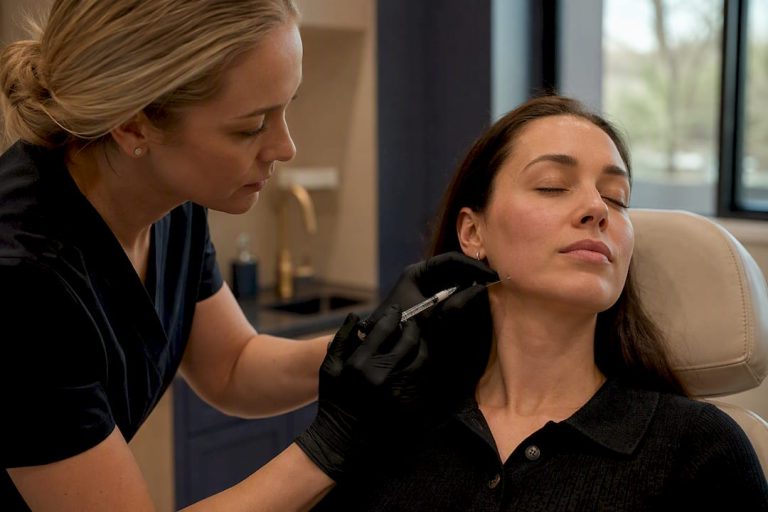

Filler dissolving treatment is an injectable procedure that uses the enzyme hyaluronidase to break down hyaluronic acid-based dermal fillers safely and effectively. Clinically, the procedure is called hyaluronidase injection, and understanding both terms helps you ask the right questions at your consultation. The treatment serves two distinct purposes: elective cosmetic correction, such as fixing overfilling or asymmetry, and emergency medical intervention for vascular occlusion, a serious complication where filler blocks blood flow. At Beautyshotmedicalclinic in Woodbridge, Vaughan, every filler dissolving procedure is performed by an advanced cosmetic Registered Nurse with a thorough focus on patient safety and realistic outcomes.
How does filler dissolving treatment work?
Hyaluronidase is a naturally occurring enzyme that breaks the chemical bonds holding hyaluronic acid molecules together. When injected directly into or near a filler deposit, it begins fragmenting the gel structure of the filler. Your body then absorbs and metabolises those smaller fragments through normal biological processes. Understanding how dermal fillers work first makes this mechanism much easier to follow.
The timeline for the filler removal process follows a predictable pattern for most patients:
- Onset: You may notice early softening within minutes to a few hours of injection.
- Partial reduction: Visible filler reduction typically occurs within 24–48 hours as the enzyme works through the deposit.
- Full results: Complete dissolution and final results are usually apparent within 5–7 days.
Not every filler dissolves at the same rate. Highly cross-linked fillers often require larger doses or multiple sessions for complete dissolution due to filler density, with doses ranging from 50–750 IU per millilitre depending on filler type. That range reflects how much the density of a product affects the amount of enzyme needed. Thicker, more structured fillers used in areas like the cheeks or jawline take longer to break down than softer lip fillers.
Pro Tip: Ask your injector which brand and type of filler was originally placed. That information directly affects how much hyaluronidase is needed and how many sessions you may require.
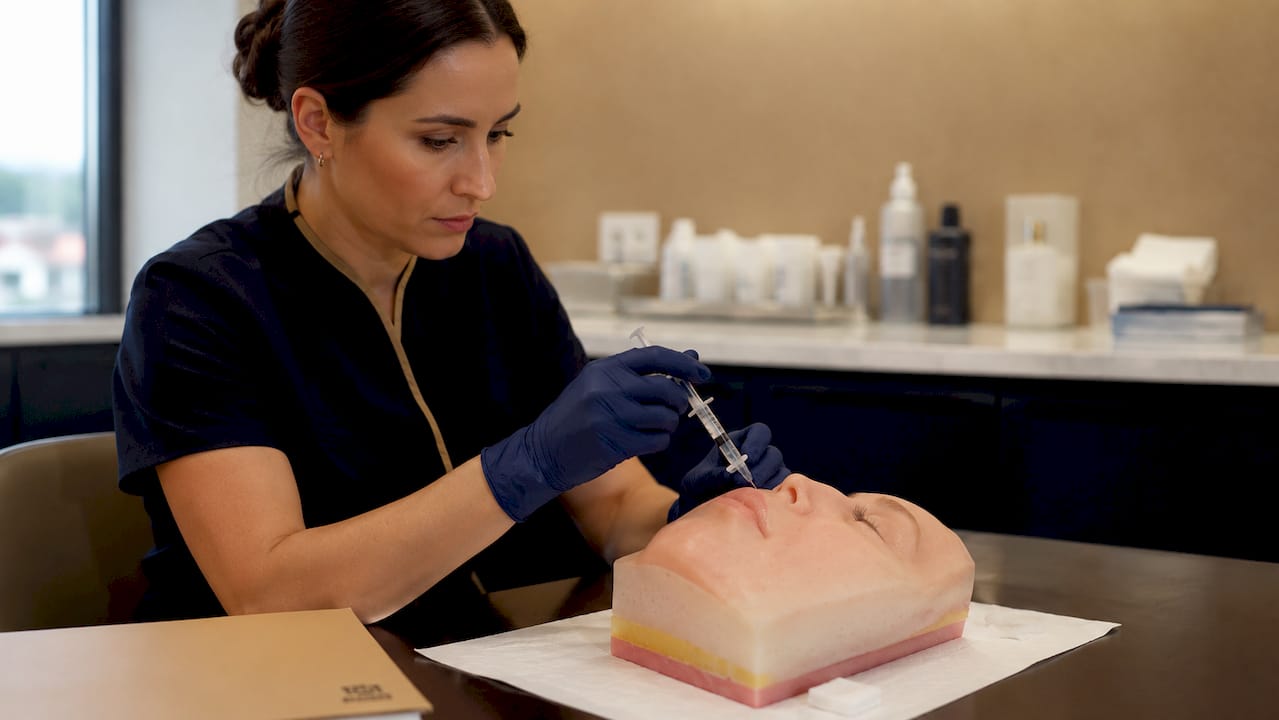
What are the benefits and typical uses of filler dissolving?
The benefits of filler dissolving go well beyond simply undoing a result you dislike. The procedure addresses a range of both cosmetic and clinical concerns with precision.
Common reasons patients choose this treatment include:
- Overfilling: Too much product was placed, creating an unnatural or heavy appearance.
- Asymmetry: One side of the face or lips looks noticeably different from the other.
- Filler migration: Product has shifted from the original injection site over time.
- Lumps or nodules: Irregular texture beneath the skin that does not resolve on its own.
- Dissatisfaction with results: The outcome simply does not match what the patient wanted.
- Vascular occlusion: A medical emergency where filler compresses or enters a blood vessel, cutting off circulation to surrounding tissue.
The emergency use case deserves special attention. Vascular occlusion is rare but serious, and hyaluronidase is the gold standard for managing hyaluronic acid filler complications. In that context, the filler dissolving procedure is not elective. It is urgent, and speed matters. This is one reason why choosing a clinically trained injector, rather than an unregulated provider, is so important. A nurse injector with a medical background recognises the signs of occlusion and acts immediately.
Is filler dissolving treatment safe? What risks should patients know?
Filler dissolving is considered safe when performed by a qualified clinician, but it carries real risks that every patient should understand before proceeding.
The first thing to know is regulatory status. Hyaluronidase use for aesthetic filler dissolving remains off-label in Canada and many other regions. The enzyme is approved for other medical uses, but its cosmetic application relies on clinical evidence and practitioner expertise rather than a formal product licence for this purpose. That does not make it unsafe. It does mean your injector’s training and judgment matter enormously.
Allergic reactions are the most significant risk. Only 9% of surgeons perform mandatory hypersensitivity skin patch tests before treatment, yet reactions including anaphylaxis have been documented. That statistic means most clinics skip a step that could catch a serious allergy before it becomes an emergency.
“Thorough allergy history and skin testing before hyaluronidase injection are the most important steps a clinician can take to reduce the risk of a hypersensitivity reaction. Patients should always disclose bee sting allergies, latex sensitivities, and any prior reactions to injectable products.”
Typical minor side effects are far more common than severe reactions and include:
- Swelling and redness at the injection site
- Bruising, which usually resolves within 24–48 hours
- Temporary tenderness or sensitivity in the treated area
- Mild itching as the enzyme works
Pro Tip: Always disclose your full allergy history before a filler dissolving procedure, including any reactions to bee stings or wasp venom. Hyaluronidase is derived from animal sources, and cross-reactivity is possible.
Patients are observed for approximately 30 minutes after treatment to monitor for hypersensitivity reactions. A follow-up appointment is typically scheduled around one week later to assess results and determine whether additional sessions are needed.
What should patients expect during and after the filler dissolving procedure?
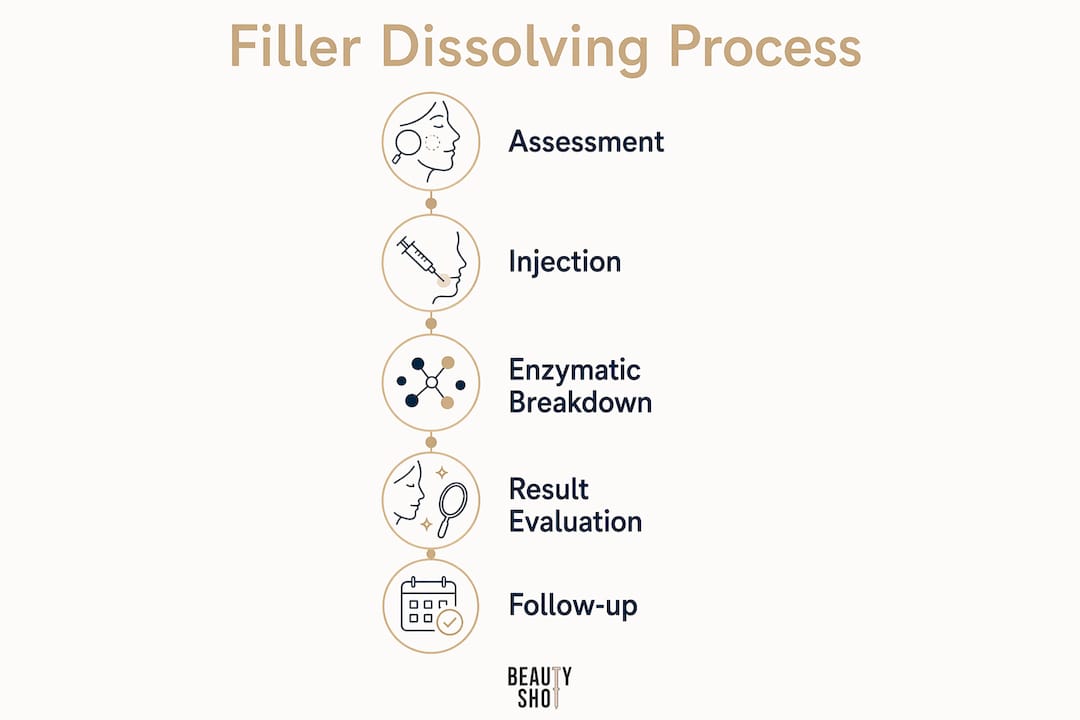
The filler dissolving procedure itself is straightforward and relatively quick. Here is what a typical appointment looks like:
- Consultation and history review: Your injector reviews your allergy history, the type of filler previously placed, and your treatment goals before anything is injected.
- Skin preparation: The treatment area is cleaned and, in many cases, a topical numbing cream is applied for comfort.
- Injection: Hyaluronidase is injected directly into the filler deposit using a fine needle or cannula. The procedure typically lasts 15–30 minutes depending on the area and volume being treated.
- Observation period: You remain at the clinic for approximately 30 minutes so your injector can monitor for any early signs of a reaction.
- Discharge and aftercare instructions: You leave with clear guidance on what to expect and what to avoid in the days that follow.
After the procedure, mild swelling and bruising are normal and typically resolve within 24–48 hours. You may notice the treated area looks slightly deflated or uneven in the first few days. This is expected as the enzyme works through the filler. Full results become clear within 5–7 days. For practical guidance on managing swelling and bruising after any injectable treatment, the lip filler aftercare guide at Beautyshotmedicalclinic covers the key do’s and don’ts that apply equally well here.
Patients with dense or highly cross-linked filler deposits may need more than one session. Your injector will assess the result at your follow-up and advise accordingly.
What nuances and limitations should patients understand?
Filler dissolving is not a simple eraser. It is a complex biological process that requires multiple treatments in some cases due to the enzyme’s short half-life and filler characteristics. Setting realistic expectations before treatment prevents disappointment.
The table below summarises the key variables that affect outcomes:
| Variable | What it means for you |
|---|---|
| Filler cross-linking density | Denser fillers need more enzyme and possibly more sessions |
| Enzyme half-life | Hyaluronidase’s activity lasts roughly 2 minutes, so precise placement matters |
| Natural hyaluronic acid | The enzyme can temporarily affect your skin’s own HA, causing mild volume or texture changes |
| Protocol standardisation | Clinical practice varies widely due to a lack of standardised dosing protocols |
| Injector experience | Skill and anatomical knowledge directly influence how evenly filler dissolves |
One point that surprises many patients is the effect on natural hyaluronic acid. Hyaluronidase may break down the body’s own hyaluronic acid, causing temporary skin volume loss or texture changes. This effect is usually reversible as the skin replenishes its natural HA stores, but it can feel unsettling in the short term. Knowing this in advance helps you stay calm if you notice temporary changes in skin texture after treatment.
Pro Tip: If you are considering new filler after dissolving, wait at least two weeks. This allows the enzyme to fully clear and your skin’s natural hyaluronic acid to partially recover before new product is introduced.
Key takeaways
Filler dissolving treatment uses hyaluronidase to break down hyaluronic acid fillers safely, but outcomes depend heavily on filler type, enzyme dosing, and injector experience.
| Point | Details |
|---|---|
| Core mechanism | Hyaluronidase enzyme fragments filler molecules, which the body then absorbs naturally. |
| Treatment timeline | Reduction begins within 24–48 hours; full results appear within 5–7 days. |
| Safety and screening | Allergy history review and a 30-minute post-treatment observation period are non-negotiable steps. |
| Off-label status in Canada | Cosmetic hyaluronidase use is off-label, making injector training and clinical judgment critical. |
| Realistic expectations | Dense or cross-linked fillers may require multiple sessions; temporary skin texture changes are possible. |
A nurse injector’s perspective on filler dissolving
One thing I have noticed over years of practice is that patients often arrive for filler dissolving feeling embarrassed or anxious. They worry they made a mistake, or that asking to reverse a result is somehow unusual. The truth is, filler dissolving is a completely normal part of aesthetic medicine. Results change, preferences evolve, and sometimes a previous treatment simply did not suit a patient’s anatomy the way it was intended to.
What I find most important in these consultations is slowing down. Patients who come in wanting everything dissolved immediately sometimes need a conversation first. Dissolving all the filler in one aggressive session can leave the skin looking more uneven than the original problem. A measured approach, treating in stages and reassessing at follow-up, almost always produces a better result.
The allergy screening piece is something I feel strongly about. The fact that few clinicians routinely perform allergy skin patch testing before hyaluronidase injection concerns me. Patients should feel comfortable asking their provider directly: “Will you screen me for allergies before we proceed?” If the answer is dismissive, that tells you something important about the clinic’s approach to safety.
Filler dissolving done well is genuinely corrective. It restores balance, addresses complications, and gives patients a clean starting point. Done carelessly, it can create new problems. The difference lies in the consultation, the screening, and the injector’s willingness to take their time. At Beautyshotmedicalclinic, that careful, patient-centred approach is the standard, not the exception.
— Felix
Filler dissolving and injectable care at Beautyshotmedicalclinic
Beautyshotmedicalclinic in Woodbridge, Vaughan, offers filler dissolving as part of a full range of medically supervised injectable treatments. Every procedure is performed by an advanced cosmetic Registered Nurse with clinical training in hyaluronidase protocols, allergy screening, and facial anatomy. Whether you are looking to correct a previous result or simply want to understand your options, a consultation at Beautyshotmedicalclinic gives you honest, personalised guidance with no pressure. Explore the full range of cosmetic injectable options in Vaughan or review the dermal fillers service page to learn more about what is available and what to expect at your appointment.
FAQ
What is filler dissolving treatment used for?
Filler dissolving treatment uses hyaluronidase to break down hyaluronic acid-based dermal fillers. It corrects issues like overfilling, asymmetry, migration, and vascular occlusion emergencies.
How long does it take for filler to dissolve after treatment?
Filler reduction begins within 24–48 hours of the hyaluronidase injection, with full results visible within 5–7 days. Dense or highly cross-linked fillers may require more than one session.
Is filler dissolving treatment safe in Canada?
Filler dissolving is considered safe when performed by a qualified clinician, though hyaluronidase use for cosmetic purposes remains off-label in Canada. Allergy screening and a post-treatment observation period of approximately 30 minutes are standard safety steps.
What are the side effects of filler dissolving?
Common side effects include swelling, bruising, redness, and temporary tenderness at the injection site, most of which resolve within 24–48 hours. Rare but serious reactions include hypersensitivity or anaphylaxis, which is why allergy screening before treatment matters.
Can filler dissolving affect my natural skin?
Yes. Hyaluronidase can temporarily break down your skin’s own natural hyaluronic acid, causing mild volume or texture changes. This effect is typically reversible as the skin replenishes its natural HA stores over time.
Recommended
- How filler restores facial harmony: a 2026 guide
- How dermal fillers work: a clear guide for 2026
- Can You Dissolve Lip Fillers? Everything About Hyaluronidase – Beauty Shot | Botox Fillers Woodbridge Vaughan
- How to Prepare for Lip Fillers: The Ultimate Pre-Treatment Guide – Beauty Shot | Botox Fillers Woodbridge Vaughan