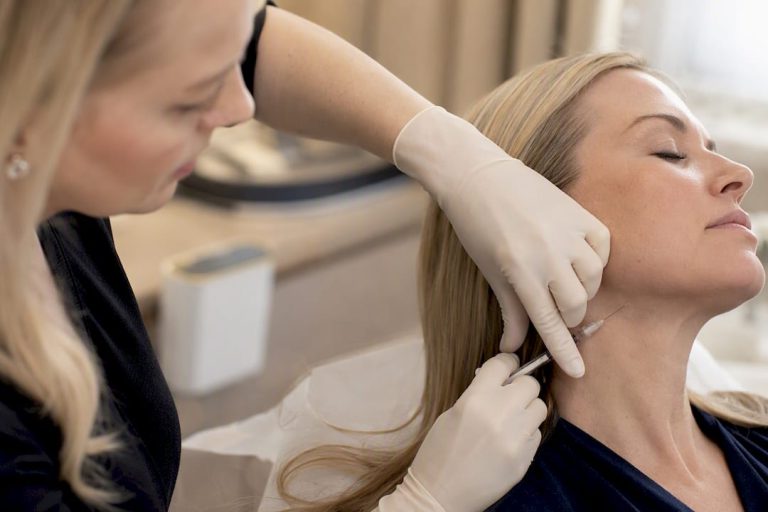

Hyaluronic acid filler is the standard, reversible option for softening nasolabial folds, and it works best when the injector treats the surrounding midface, not just the crease itself. Good candidates have volume loss or deep static folds where cheek support has started to slip. Results depend far less on the product than on the injector’s grasp of facial anatomy and readiness to manage rare complications.
TL;DR:
- Fillers last longer when patients have strong underlying bone support and a layered treatment approach that supports the midface before the fold itself.
- Using the correct rheological profile of hyaluronic acid gel is essential, with softer gels for mobility areas and firmer gels for structural support to avoid unnatural effects.
- Most side effects are temporary, but injection near the facial artery requires expertise to promptly recognize and treat vascular occlusion with hyaluronidase.
- Indirect treatment strategies, such as midface volumization, often provide more natural and lasting results than direct fold injection alone.
- A conservative, anatomy-based approach that includes patient-specific assessment and expert injector training leads to safer, more natural outcomes.
What causes nasolabial folds, and how filler addresses them
Nasolabial folds are not simply “wrinkles.” They form from a combination of structural changes that happen underneath the skin, long before the crease becomes visible in a mirror.
As the midface ages, the fat compartments that once sat plump over the cheekbones lose volume and begin to descend. The ligaments anchoring skin to bone loosen. Skin itself thins and loses elastic recoil. All of this pulls tissue downward and forward, deepening the groove that runs from the nose to the corner of the mouth. Treating that groove in isolation, without addressing what is happening above it, often produces a flatter, less convincing result than an approach that restores support higher in the cheek.
That is why many experienced injectors treat the nasolabial fold as a symptom rather than the primary target. Layered strategies that support the midface first, then refine the fold second, tend to hold up better over time and look more natural than filler concentrated only in the crease, according to a systematic review of nasolabial fold treatments.
Hyaluronic acid (HA) fillers dominate this treatment category for a few practical reasons:
- They are mouldable, so an injector can shape them to match the fold’s depth and mobility.
- They are reversible with hyaluronidase, which matters enormously if a correction needs adjusting or a complication arises.
- Manufacturers produce a range of rheological profiles, from softer gels for superficial lines to firmer, more cohesive gels for deep structural support.
- They integrate with the body’s own tissue rather than triggering a permanent foreign-body response.
Consensus guidance in the injectable field recommends matching filler rheology to the treatment area, and the nasolabial fold is a good example of why that matters. It moves constantly with speech and expression, so a gel that is too stiff can look unnatural, while one that is too soft may not hold its correction. Choosing the right product for that specific mobility is part of what separates a subtle result from an obviously “done” one.
What happens during a nasolabial fold filler appointment
A properly run appointment looks less like a quick injection and more like a structured clinical visit. Here is what that typically involves, step by step.
- Consultation and history. Your injector reviews your medical history, current medications (especially blood thinners), allergies, and any previous filler or surgical work in the area. Photos are taken from multiple angles, both for planning and for tracking results afterward.
- Goal-setting and consent. You talk through what bothers you about the fold, what a realistic outcome looks like, and sign informed consent that covers the treatment plan and possible side effects.
- Marking and anatomical assessment. The injector palpates and marks the course of the facial artery, since its position can vary anatomically in up to 30% of patients. This step is non-negotiable in a safety-first practice.
- Anaesthesia. Most fillers used for nasolabial folds already contain lidocaine. Topical numbing cream or ice can be added for comfort, particularly for first-time patients.
- Injection technique. Depending on the fold and the gel chosen, the injector may use direct linear threading along the crease, microbolus deposits (small dots placed at intervals), or a layered approach combining deep structural support with a lighter superficial pass.
- Assessment and adjustment. The injector checks symmetry, palpates for lumps, and may add small amounts before finishing.
- Aftercare instructions. You leave with clear guidance on what to expect over the next 24 to 72 hours.
On technique, cannula versus needle is a genuine clinical decision, not a marketing detail. Blunt-tip cannulas tend to reduce the odds of penetrating a vessel compared with sharp needles in higher-risk facial areas, and injector experience correlates strongly with fewer complications regardless of tool. Many injectors use a needle to create an entry point, then switch to cannula for the actual filling pass along the fold.
A full nasolabial fold treatment, including consultation, typically takes 30 to 45 minutes. Expect some stinging during injection, pressure as the gel is deposited, and immediate mild swelling that can temporarily make the fold look slightly over-corrected before it settles.
Pro Tip: Ask your injector to show you the treatment plan on your own photo before they pick up a needle. If they can point to exactly where volume will go and why, that is a sign they are working from an anatomy-based plan, not guessing.
Benefits, candidacy, and what a natural result actually looks like
The core benefit of nasolabial fold filler is straightforward: it softens the crease without surgery, downtime, or a recovery period measured in weeks. Beyond that, a well-planned treatment improves overall facial harmony by restoring proportion between the cheek, fold, and lower face, rather than just erasing one line in isolation.
Not everyone is an equally good candidate, and that matters more than most marketing suggests. A few factors shape how well the treatment works for a given face:
- Skin thickness and quality. Thinner, more crepey skin shows filler placement more readily and may need smaller, more conservative volumes.
- Skeletal support. People with strong underlying bone structure often need less product to achieve a visible improvement than those with more retruded cheekbones.
- Fold etiology. A fold caused mainly by volume loss responds differently than one driven by deep, etched-in static lines that persist even at rest, which sometimes need a longer-term combination approach.
- Skin laxity. Significant loose or sagging skin may limit how much a filler alone can achieve, since filler adds volume but doesn’t tighten skin.
The subtlety piece deserves its own mention because it is where treatments go wrong most often. An overfilled nasolabial fold area creates a puffy, doughy look, sometimes called “pillow face,” particularly when too much volume is placed too superficially. Experienced injectors favour small aliquots and microboluses specifically to avoid that outcome and to keep the correction proportionate to the rest of the face, a principle echoed in international consensus guidance on gel injection technique. The goal is a face that looks rested, not a fold that looks obviously treated. If you want a sense of what that looks like in practice, a before-and-after gallery can show the range of subtle, proportionate outcomes achievable with conservative technique.
Risks and how a careful injector manages them
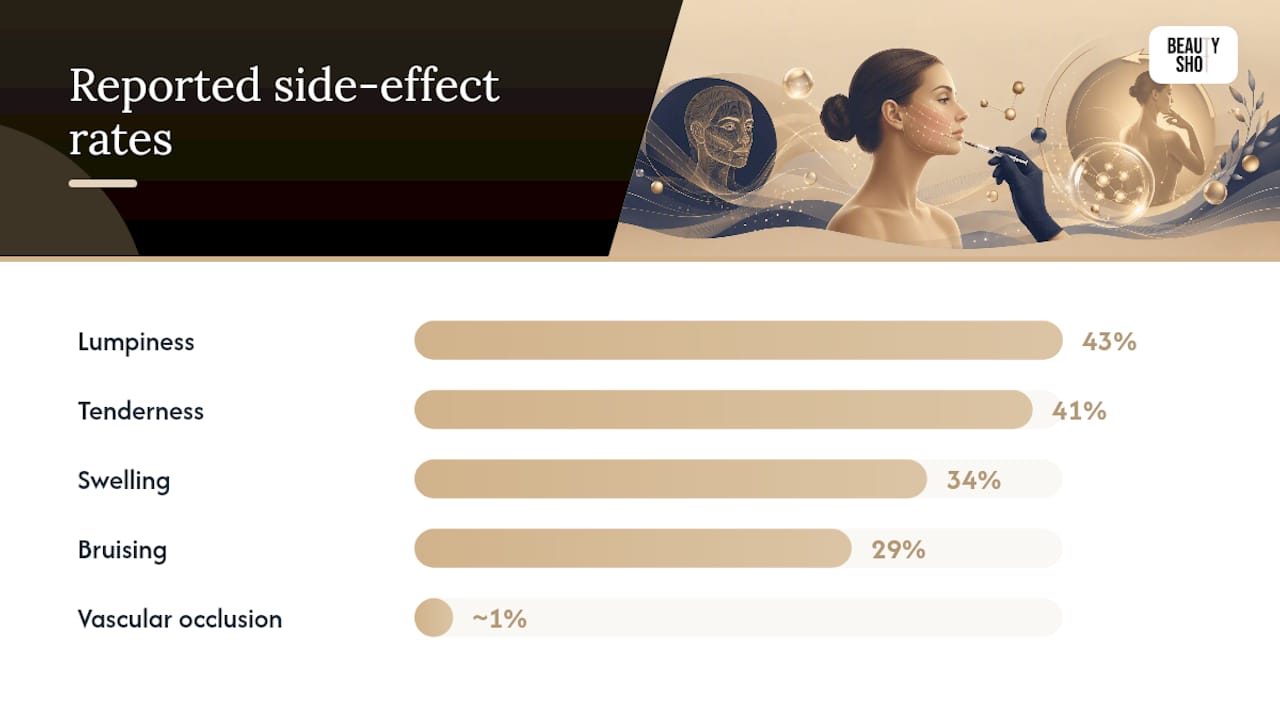
Most side effects from nasolabial fold filler are minor and expected, not dangerous. A 2021 systematic review and meta-analysis of randomized clinical trials found the following rates of transient reactions after HA filler treatment in this area:
Reported side effect rates for HA filler in nasolabial folds: lumpiness up to 43%, tenderness up to 41%, swelling up to 34%, and bruising up to 29%, based on a systematic review of randomized clinical trials. Vascular occlusion was estimated at roughly 1% across the studies reviewed.
Those first four effects are common, temporary, and manageable with ice, time, and sometimes gentle massage. Vascular occlusion is the complication that deserves real respect, even at a low incidence rate, because the nasolabial fold sits close to the facial artery and its branches.
Vascular problems happen through one of two mechanisms: extravascular compression, where filler placed too close to a vessel squeezes it from the outside and cuts off blood flow, or direct intravascular injection, where filler enters a vessel and travels as an embolus until it blocks flow further downstream. Both mechanisms require rapid recognition and immediate hyaluronidase access to prevent lasting tissue damage. Case reviews of nasolabial-fold-related skin ischemia have identified distinct patterns of blood flow disruption tied directly to how the facial artery branches in that region, which reinforces why anatomy knowledge, not just injection skill, separates a safe practice from a risky one.
Warning signs of a vascular event include:
- Immediate, disproportionate pain during injection.
- Skin blanching (a sudden whitish or dusky discolouration) around the injection site.
- Mottling or a livedo (net-like) pattern in the skin.
- Delayed bruising that spreads unusually, or skin that turns cool and painful hours later.
A responsible clinic treats any of these as an emergency, not a “wait and see” situation. The standard response includes immediate hyaluronidase injection, since it dissolves HA filler and can relieve vascular compression, warm compresses to encourage vasodilation, gentle massage, and in more advanced cases, aspirin and a direct referral pathway to specialist wound care. Hyaluronidase dosing for a straightforward lump might run 50 to 150 units, but suspected intravascular events can require up to 1,500 units in divided doses. That range alone explains why clinics need to stock enough product and have a clear protocol before they ever need it, not after.
Injector experience is the single biggest modifier of risk here. Descriptive observational data from tens of thousands of filler cases found the nasolabial fold to be one of the most frequently injected sites, with early vascular compromise events concentrated in specific facial regions where anatomy knowledge made the clearest difference in outcomes.
How long results last, downtime, and what drives the cost
Most HA fillers placed in the nasolabial fold hold their correction for six to eighteen months, though the exact timeline depends on several variables working together.
Product choice matters. Firmer, more cross-linked gels designed for structural support tend to last longer than softer formulations. Metabolism plays a role too. People with faster metabolic rates or higher activity levels (which increases blood flow and, some evidence suggests, HA turnover) often see results fade sooner than average. Injection depth also matters, since deeper, structurally supportive placement generally outlasts superficial correction, and total volume used follows the same logic: a fold treated with a more thorough, layered approach tends to hold longer than one topped up with a minimal amount.
Downtime is genuinely minimal for most patients, which is part of why this treatment remains popular:
- Mild swelling and possible bruising for 2 to 5 days, longer in people prone to bruising easily.
- Ice packs during the first 24 to 48 hours help control swelling.
- Avoid strenuous exercise, alcohol, and excessive heat exposure (saunas, hot yoga) for about 24 to 48 hours, since increased blood flow can worsen bruising and swelling.
- Makeup can usually go back on the next day if the skin isn’t broken or irritated.
- Most people resume normal social and work activities within a day, sometimes with light concealer over any bruising.
Cost for nasolabial fold filler varies by clinic, geographic region, product brand, and how much volume the fold actually requires. Deeper folds needing a more thorough, layered treatment plan generally cost more than a fold needing a light touch-up, and pricing also reflects the injector’s training and experience level, which is not a place to shop purely by lowest price given how much technique affects both results and safety. A consultation is really the only reliable way to get an accurate quote for your specific anatomy.
Alternatives and combination approaches worth knowing about
Direct filler injection into the fold itself is only one way to approach this concern, and it isn’t always the best starting point.
Midface volumization is often the smarter first move. By restoring volume higher in the cheek, where fat compartments have lost support, an injector can lift the tissue that creates the fold in the first place, reducing how much filler the fold itself actually needs. This indirect strategy tends to look more natural because it addresses the underlying architecture rather than just camouflaging a symptom, a principle supported by anatomy-based treatment protocols for this area. You can read more about how this pan-facial thinking works in practice in our guide to how filler restores facial harmony.
Other approaches worth discussing at a consultation include:
- Thread lifts, which use dissolvable sutures to provide mechanical lift for patients with more skin laxity than volume loss can explain.
- Surgical facelift, appropriate for significant skin laxity that filler and threads cannot correct on their own.
- Energy-based skin tightening (radiofrequency or ultrasound devices) as an adjunct to improve skin quality alongside volume restoration.
- Botulinum toxin, used adjunctively around the mouth and cheek in select cases to soften the pull of certain muscles that can deepen the fold over time.
A combined plan often works better than any single treatment in isolation, particularly for patients with moderate to advanced volume loss. A sensible sequence usually starts with deep structural support, moves to superficial fold refinement, and only adds skin-tightening or lift procedures if volume restoration alone doesn’t fully resolve the concern. This is exactly the kind of layered thinking discussed in our piece on how injectables refresh a tired appearance.
Choosing an injector: the checklist that actually protects you
Picking the right injector matters more for nasolabial fold treatment than for almost any other filler site, given its proximity to the facial artery. Use this checklist before you commit to treatment.
- Confirm credentials. Look for a registered nurse, nurse practitioner, or physician with specific advanced injectable training, not just a general aesthetics certificate.
- Ask about technique training. Has the injector completed structured training in facial anatomy and injection technique, such as recognized academy or hands-on cadaver-based courses?
- Ask which product they recommend and why. A good injector explains their gel choice based on your specific fold, not a one-size-fits-all default.
- Ask directly about their emergency protocol. Do they stock hyaluronidase on-site? What is their response plan if they suspect a vascular event?
- Ask to see real before-and-after photos of patients with a similar fold pattern and skin type to yours, not just their best-case results.
- Discuss reversal options up front, so you know filler placed today isn’t a permanent commitment if you change your mind.
Red flags include an injector who won’t discuss complications at all, one who pushes a specific volume or package before assessing your face, or a clinic that cannot clearly answer what happens if something goes wrong. Emergency preparedness isn’t a nice extra; it is the baseline standard any responsible injector should meet before they pick up a syringe.
Pro Tip: If an injector can’t answer “what would you do if you saw skin blanching right now?” clearly and specifically, that’s a conversation-ending red flag, not a minor gap. For more on how injector background shapes outcomes, our comparison of nurse versus doctor injectables is worth a read, and our piece on subtle injectable philosophy walks through how conservative planning protects both safety and appearance.
How I think about natural nasolabial fold correction
I’ve built my approach around one simple idea: the goal is never to erase every line on your face, it’s to help you look like a rested, well-supported version of yourself. That means starting with anatomy, not a pre-set volume target, and treating the midface as part of the plan rather than an afterthought.
My background in ICU nursing at Sunnybrook Hospital shaped how seriously I take preparation for the rare but real vascular risks involved in this area. Advanced training through Allergan techniques, MD Codes, Teoxane Academy, and Clarion Medical gave me the technical foundation, but the judgment about how much (or how little) a fold actually needs comes from watching faces age and knowing where restraint serves the patient better than more product.
Every consultation at my clinic starts with a real conversation about what you want to see change, followed by an honest assessment of what filler can and can’t do for your specific fold. If you’d like to see the kind of subtle, proportionate results this approach produces, our before-and-after gallery reflects that philosophy directly, and I’m always glad to walk you through a personalized plan at your consultation.
— Felix
How Beauty Shot Medical Clinic approaches your treatment plan
Beauty Shot Medical Clinic is the option for readers who want the anatomy-first, conservative approach this article has walked through, delivered by an advanced cosmetic Registered Nurse rather than a rushed injector working off a standard package menu. Every treatment plan here starts with your specific fold pattern, skin quality, and facial support, not a fixed volume decided before you walk in.
At your first visit, expect a thorough assessment, a clear conversation about realistic outcomes, informed consent covering benefits and risks, and a personalized treatment plan. If you’re ready to move from research to a real conversation about your face, book a consultation through our dermal fillers page in Woodbridge, Vaughan, and we’ll build a plan around what your fold actually needs, not a one-size-fits-all treatment.
This article is general information, not a substitute for advice from a qualified doctor. Consult a qualified healthcare professional about your own circumstances before acting on anything here.
Sources
- Tissue fillers for the nasolabial fold area: a systematic review and meta-analysis of randomized clinical trials
- Current status of early complications caused by hyaluronic acid fillers: insights from a descriptive, observational study
- Tissue fillers for the nasolabial fold area: systematic review (PMC)
- Simplifying the injector’s armamentarium: an international consensus regarding the use of gel science
FAQ
Are fillers good for treating nasolabial folds?
Yes, HA fillers are considered a safe, effective, reversible option for softening nasolabial folds when placed by an injector who understands facial anatomy and uses conservative, layered technique.
How long do fillers last in nasolabial folds?
Most patients see results lasting six to eighteen months, depending on the gel used, injection depth, total volume placed, and individual metabolism.
Which filler brand is better for nasolabial folds?
No single brand is universally “better.” The right choice depends on matching a gel’s rheology and mobility to your specific fold, which is why consensus injection guidance emphasizes product selection based on anatomy rather than brand alone.
What is the most effective treatment for nasolabial folds?
A layered approach that restores midface volume alongside direct fold filling tends to outperform filling the crease in isolation, since it addresses the structural cause rather than just the visible line.
Is filler for nasolabial folds painful?
Discomfort is generally mild, with most fillers containing built‑in numbing agent and topical anaesthetic available for added comfort; expect some pressure and brief stinging during injection.
What are the warning signs of a complication after treatment?
Disproportionate pain, skin blanching, unusual mottling, or delayed cool and painful skin all warrant an immediate call to your injector, since these can signal a vascular issue requiring prompt hyaluronidase treatment.