
Yes, Botox can smooth chin dimpling when the cause is an overactive mentalis muscle. Small, precise doses relax the muscle pulling on the skin, softening the “orange peel” texture within days. Results are temporary, and they only work well when the dimpling is truly muscle driven. A proper assessment from a qualified injector is the step that determines whether this treatment is right for you.
TL;DR:
- Botox treats chin dimpling only when the cause is an overactive mentalis muscle, not for scarring, bone structure, or volume loss.
- Typically, 4 to 10 units of onabotulinumtoxinA are injected into the midline, with additional lateral micro-injections of 4 to 5 units per side if needed.
- Proper technique involves layering injections at different depths to ensure natural results and reduce the risk of uneven bulging or asymmetry.
- Results usually appear within three to five days, last three to six months, and may improve with repeated treatments as the muscle weakens.
- Patients with prior chin fillers or active infections should inform their injector, as these factors influence injection planning and risk management.
How Botox works on the chin: mechanism and mentalis anatomy
Chin dimpling comes from the mentalis, a small paired muscle at the point of the chin that lifts the lower lip and helps you purse your mouth. When it works overtime, the fibres attach into the overlying skin and pucker it into that cobblestone or “orange peel” look, especially during speaking, smiling, or resting expression.
Botulinum toxin type A blocks the release of acetylcholine at the nerve endings that trigger muscle contraction. Once that signal is interrupted, the mentalis relaxes and stops tugging on the skin above it, and the surface smooths out.
Anatomy makes this treatment more nuanced than it looks. The mentalis sits close to bone but has fibres running at different depths, some anchoring deep near the chin point and others threading closer to the surface. That is why injectors often combine a deeper intramuscular injection with a shallower, subdermal micro-injection at the same point. You can read more about this dual-layer mechanism in our breakdown of how Botox actually works beneath the skin.
Who is a good candidate for chin dimpling treatment
Not every dimpled chin responds to Botox. This treatment corrects dynamic, muscle-driven dimpling. It does not fix dimpling caused by scarring, volume loss, or a naturally uneven chin bone structure.
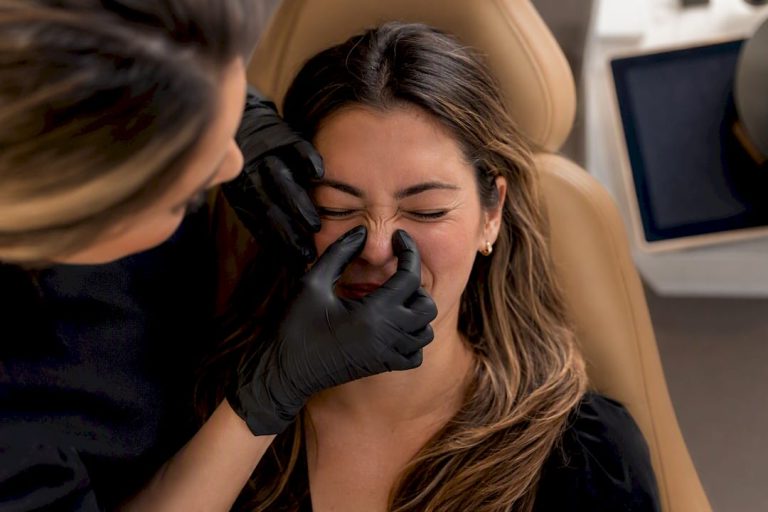
During a consultation, I ask patients to purse their lips, smile, and talk naturally so I can watch the mentalis in motion. Palpating the muscle at rest versus during animation tells me how much of the texture is muscular versus structural. I also ask about chin fillers, jaw surgery, dental work, and any previous toxin treatments, since all of these change how I plan the injection.
Good candidates typically show:
- Visible dimpling or puckering that worsens with lip pursing, talking, or smiling
- A chin that looks smooth at full rest but textured on animation
- No active skin infection or known allergy to botulinum toxin
- Realistic expectations about a temporary, muscle-relaxing effect rather than a permanent skin change
Pregnancy, breastfeeding, certain neuromuscular conditions, and active infection near the injection site are standard reasons to hold off, and any of these should be flagged honestly during your consultation.
What happens during a chin Botox session
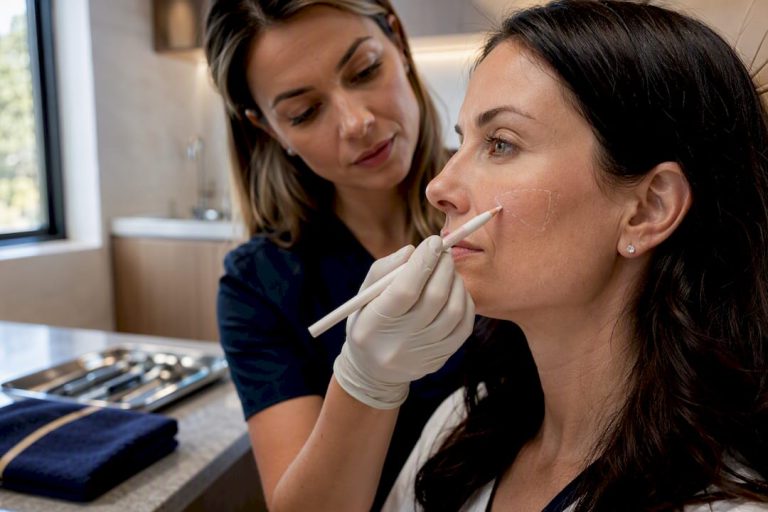
A typical appointment starts with the injector marking the mentalis while you’re animated, since the muscle looks different at rest than when you’re talking or pursing your lips. Photos beforehand help track change over time and set a baseline for future visits.
Dosing follows a fairly consistent pattern across clinical literature, though every injector adjusts for individual anatomy:
- A midline injection, typically 4 to 10 units of onabotulinumtoxinA, placed into the belly of the muscle where the two sides meet
- Lateral micro-injections of roughly 4 to 5 units on each side when dimpling extends beyond the midline
- Layered depth technique: a deeper injection near the bone followed by a smaller superficial dose closer to the skin, to soften surface fibres without over-weakening the muscle
Statistic Callout: Anatomical injection reviews report that a common technique involves injecting close to 3 units deep at each point, then retracting the needle slightly to deposit about 1 unit superficially, a layering method documented to reduce total dose while improving surface smoothing.
Other toxin preparations, like abobotulinumtoxinA, require different unit conversions, so numbers should never be compared directly across brands without your injector’s guidance, as outlined in dosing reviews on mentalis injections.
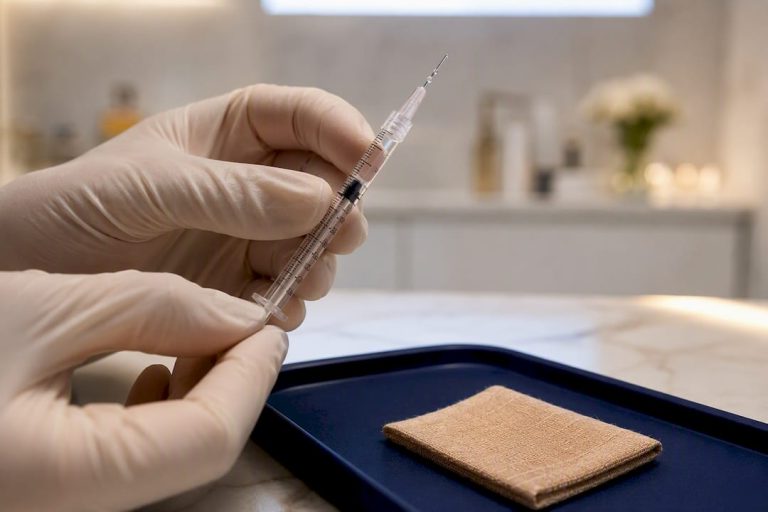
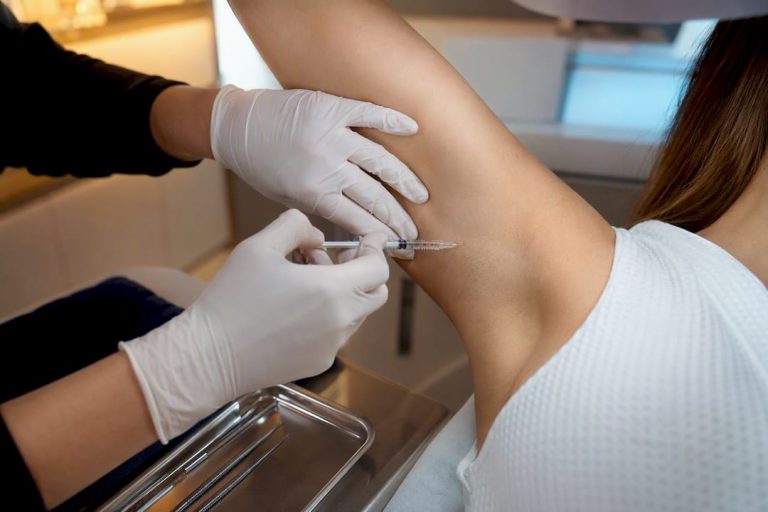
The session itself usually takes 10 to 15 minutes. Expect a few tiny needle pokes, minimal discomfort, and the ability to return to normal activities right away. Prior chin filler, unusually thick muscle bulk, or previous toxin resistance can all shift the dose your injector recommends, so this is never a one-size-fits-all number.
Risks, complications, and how injectors reduce them
Most side effects from chin Botox are minor and short-lived. The more serious ones are rare but worth understanding before you book.
Common, temporary effects include:
- Mild bruising or pinpoint redness at injection sites
- Tenderness or slight swelling for a day or two
- Mild asymmetry that resolves as the toxin settles over the first week
The complication patients ask about most is paradoxical bulging, where the muscle protrudes more than before treatment. This tends to happen when the toxin distributes unevenly, leaving some fibres weak and others compensating with exaggerated contraction. Anatomy-based technique reports describe layering injections at multiple depths, rather than a single large-volume shot, as the most effective way to prevent this.
Patients with prior chin filler carry a slightly higher risk of uneven diffusion, since the filler material can interfere with how the toxin spreads. Injectors often adjust depth and placement in these cases, a point well documented in research on paradoxical bulging and filler interactions.
Pro Tip: If you’ve had chin filler in the past, always tell your injector exactly when and how much, even if it was years ago. That single detail changes how I plan depth and dosing.
Seek prompt medical attention if you notice difficulty speaking, chewing, or swallowing after treatment. These are rare but documented in clinical safety reviews as reasons to contact your clinic immediately rather than waiting it out. For a broader rundown of what’s normal versus what’s not, our guide on common Botox side effects is worth a read before your appointment.
Results, timeline, and how often to repeat treatment
Most patients notice softening within three to five days, with full effect settling in over one to two weeks as the muscle fully relaxes. The chin looks smoother both at rest and during movement, without the lower lip or smile appearing frozen when dosing is conservative and well distributed.
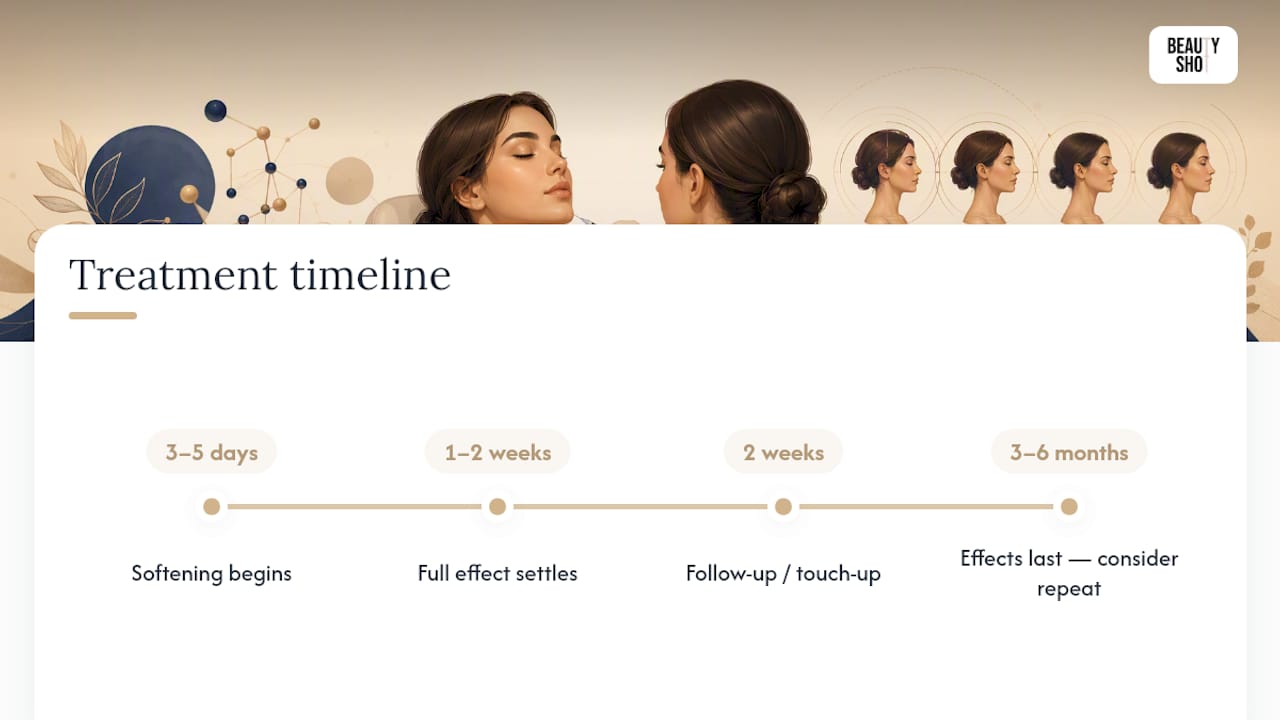
Effects generally last three to six months, though muscle strength, metabolism, and how often you’ve had treatment before all influence how long it holds. Some patients find that with repeated sessions, the mentalis gradually weakens its habitual overactivity, allowing slightly lower maintenance doses over time.
Follow-up appointments typically happen around the two-week mark to check symmetry and touch up any spots that need a small top-up. Booking your next session before the effect fully wears off, rather than waiting until dimpling fully returns, tends to keep results looking consistently natural.
Alternatives and complementary options for chin dimpling
Botox is not the answer for every chin concern. When dimpling sits alongside a genuinely underprojected or recessed chin, case series data shows that toxin alone often doesn’t deliver a meaningful aesthetic change, and other approaches carry more weight.
Consider these situations:
- Dermal fillers restore lost volume and projection, and often pair well with Botox when both dimpling and flatness are present, smoothing texture while rebuilding structure through our chin and jawline filler treatments
- Surgical options, like mentoplasty or chin implants, address true skeletal deficiency that no injectable can correct
- Skin-focused treatments help when scarring or textural irregularity, rather than muscle activity, is driving the appearance
A combined plan, toxin for muscle activity and filler for volume, is common and often gives a more balanced, natural result than either treatment alone.
A nurse injector’s checklist for chin dimpling consultations
Before I ever pick up a needle, I want a full picture: history of chin fillers, jaw or dental work, previous toxin treatments, and what specifically bothers the patient, whether it’s dimpling at rest or only when talking. Watching the mentalis animate during pursing and smiling tells me more than a resting photo ever could.
Technique matters as much as the product. I distribute doses across the muscle rather than concentrating them in one spot, and I layer depth deliberately, deeper near the bone, lighter near the surface, to reduce the risk of that uneven, bulging look. Every plan gets adjusted for the individual anatomy in front of me, never copied from the last patient.
At Beauty Shot Medical Clinic, all injectable treatments are performed by an advanced cosmetic Registered Nurse, and the goal is always the same: a chin that looks calm and refreshed, not treated. You can see the reasoning behind that approach in our piece on natural-looking Botox results.
Why the standard advice on chin dimpling misses the point
Most articles on this topic treat chin Botox as a formula: inject X units, wait two weeks, done. That framing undersells how much the outcome depends on correctly identifying whether dimpling is muscular in the first place. A structurally weak chin dressed up with toxin alone will still look underwhelming, no matter how carefully the injection is placed.
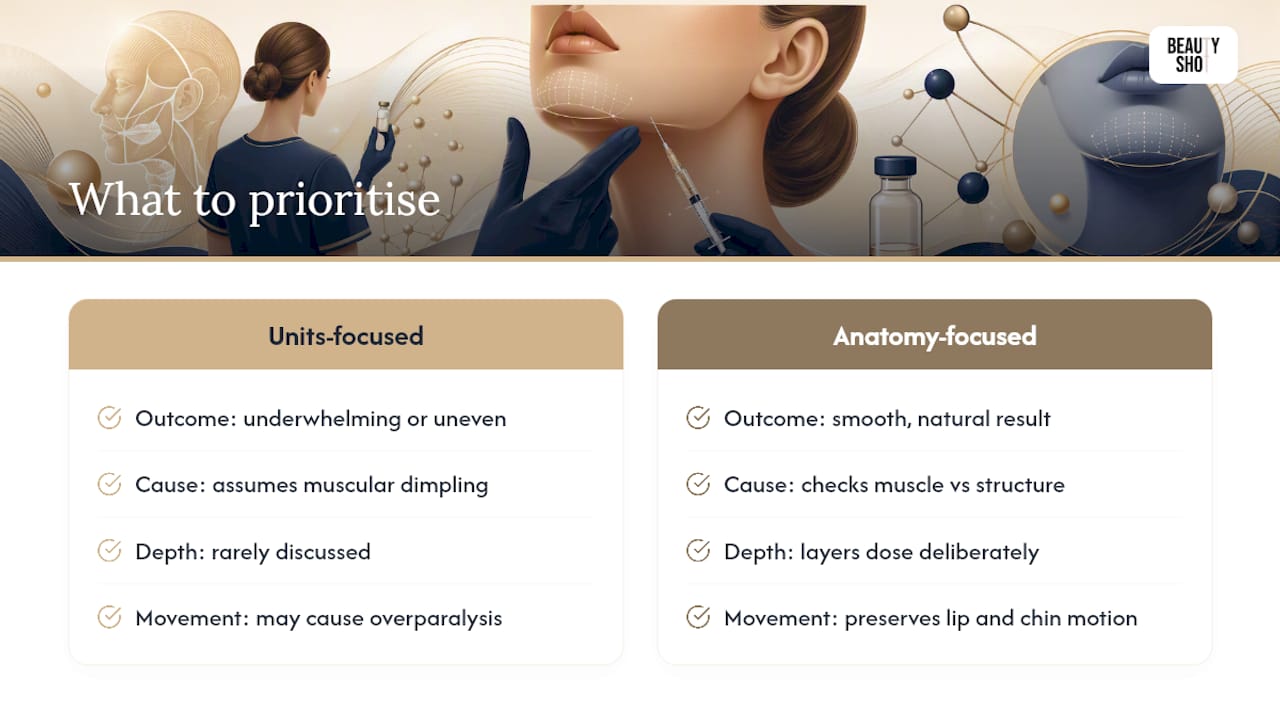
The bigger gap I see in conventional advice is the silence around technique depth. Two injectors using identical unit counts can produce very different results, one smooth and natural, the other bulging or uneven, purely because of how the dose was layered and distributed. Readers researching this treatment should prioritize finding an injector who talks openly about anatomy and layering strategy, not just a number of units.
If there’s one thing worth taking from the evidence: conservative, well-placed dosing that preserves natural lip and chin movement consistently outperforms aggressive treatment aimed at total muscle paralysis. Subtle wins here, every time.
— Felix
Ready to talk to someone about your chin
For readers seeking chin dimpling assessment by the injector who performs the treatment, some clinics provide injector-consultant continuity, where the same experienced practitioner plans and administers the injections.
A consultation includes a hands-on animation assessment, a conversation about your history with fillers or prior toxin treatments, and honest guidance on whether Botox, filler, or a combined approach fits your chin. You can browse real patient outcomes in our before-and-after gallery before deciding. When you’re ready, book a consultation through our Botox and injectables services page and we’ll walk through your options together.
This article is general information, not a substitute for advice from a qualified doctor. Consult a qualified healthcare professional about your own circumstances before acting on anything here.
FAQ
Does Botox help chin dimpling?
Yes, when the dimpling is caused by an overactive mentalis muscle rather than structural or skin-related factors. Case series data shows measurable improvement in chin contour and dimpling after treatment in appropriately selected patients.
How many units of Botox are used for chin dimpling?
Most injectors use a midline injection of 4 to 10 units of onabotulinumtoxinA, sometimes adding lateral micro-injections of 4 to 5 units per side depending on how far the dimpling extends. Exact dosing varies by anatomy, prior treatments, and the toxin brand used, as outlined in anatomy-based mentalis injection guidance.
Where does the injector place Botox for chin dimpling?
The primary injection goes into the midline of the mentalis muscle at the point of the chin, often layered at two depths, deeper near the bone and shallower near the skin. Lateral points are added when dimpling extends beyond the centre, following the anatomy-based technique described in mentalis injection research.
How much does Botox cost for chin dimples?
Pricing depends on the number of units needed for your specific anatomy and is best confirmed during a consultation. Current pricing details for Botox treatments at Beauty Shot Medical Clinic are available on the services page.
How long do results from chin Botox last?
Most patients see results lasting three to six months, with full effect visible within one to two weeks of treatment. Muscle strength, metabolism, and treatment history all influence how long the smoothing effect holds.