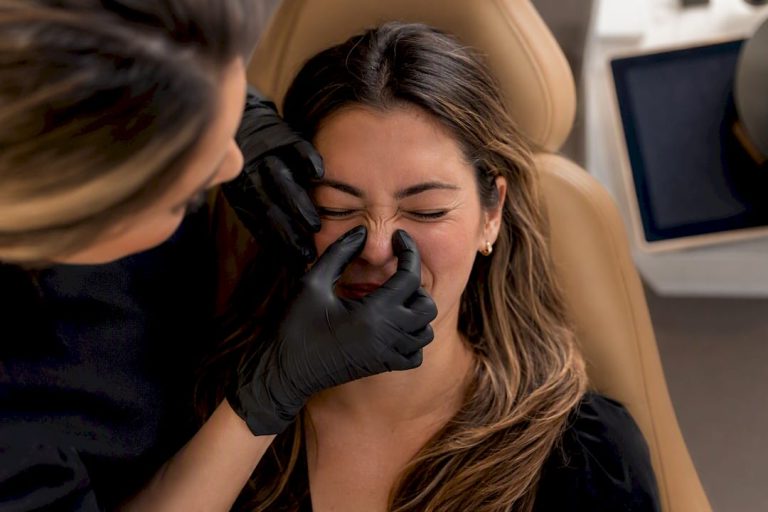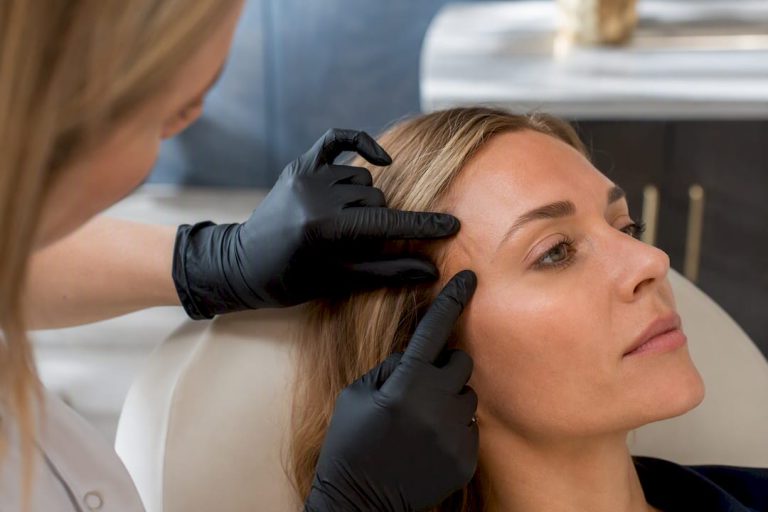
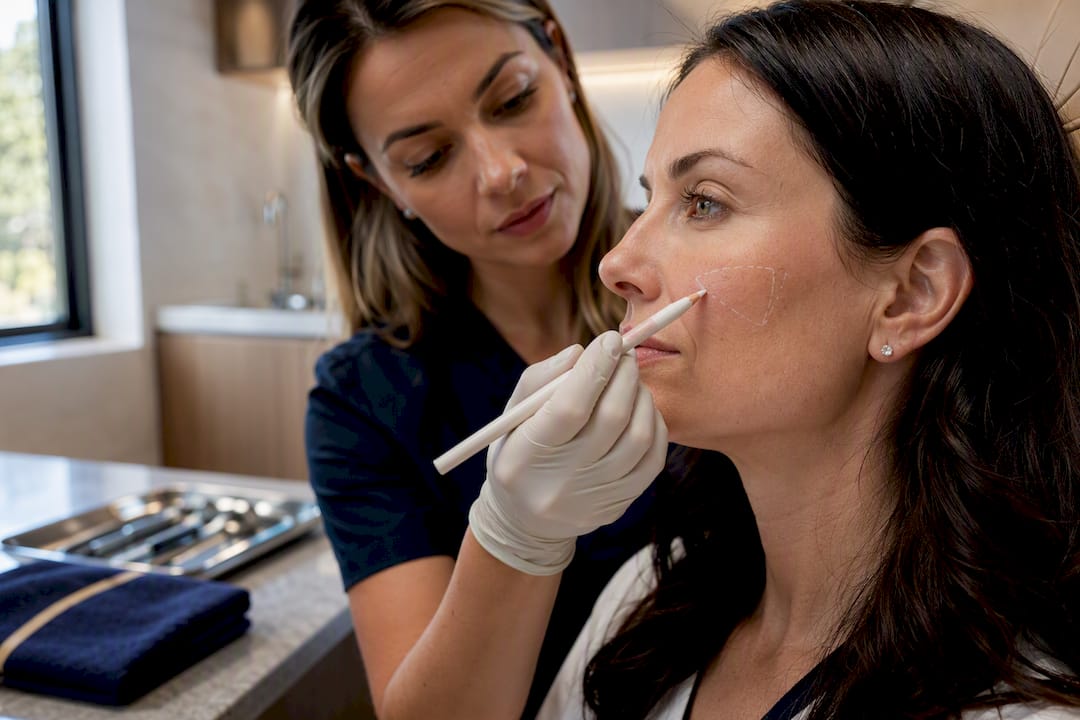
Cheek filler is an injectable treatment that restores lost volume, softens the transition between cheek and midface, and rebuilds contour that ageing or genetics may have affected. It suits people noticing hollowness, sagging, or a flatter profile in photos. Hyaluronic acid versions are reversible with an enzyme called hyaluronidase, and depending on the product and your own metabolism, results last anywhere from several months to more than two years.
TL;DR:
- Hyaluronic acid fillers provide immediate, natural-feeling volume and are reversible with hyaluronidase, with effects lasting 6 to 18 months depending on the formulation.
- Longer-lasting options like calcium hydroxylapatite and poly-L-lactic acid stimulate collagen, but CaHA cannot be dissolved, increasing the importance of precise placement.
- Proper candidate selection excludes pregnant or breastfeeding women, individuals with active skin infections, and those on blood thinners or with autoimmune conditions affecting healing.
- Safety relies on thorough medical history, use of cannulas in high-risk zones, conservative dosing, and immediate management protocols for rare vascular occlusion risks.
- Results typically require follow-up touch-ups between 9 and 15 months, with autologous fat offering the most durable outcome if successfully integrated.
What cheek filler is and why people choose it
Cheek filler works by adding volume back into the midface, either with an injectable gel or, less commonly, with a patient’s own fat. Most of what you’re restoring isn’t skin, it’s structural support underneath it. As we age, the fat pads in the cheeks shift downward and the bone itself can lose density, which is why the same face can look tired even when nothing about the skin has changed.
The goals that patients bring to a consultation usually fall into a few categories:
- Volume restoration for cheeks that have flattened or hollowed with age or weight loss
- Contour and lift, especially along the cheekbone to create a subtle upward angle
- Midface support that softens nasolabial folds and marionette lines without touching them directly
- Facial balance, where the cheeks are built up to complement the jaw, chin, or lips rather than treated in isolation
A typical visit starts with a consultation where your injector maps your bone structure, fat distribution, and skin quality. The injection session itself is usually quick, and with hyaluronic acid products, you’ll see the volume immediately. Collagen-stimulating options like poly-L-lactic acid work differently. Results build gradually over weeks as your body produces new collagen, so the face you see the day of treatment isn’t the final result. Understanding how filler restores facial harmony before your appointment helps set expectations for that timeline.
Types of fillers used for cheeks and what to expect from each
Not all cheek fillers behave the same way, and the differences matter more than most people realize when they’re comparing options. The five main categories used in the cheeks are hyaluronic acid (HA), calcium hydroxylapatite (CaHA), poly-L-lactic acid (PLLA), polymethylmethacrylate (PMMA), and autologous fat grafting.
- HA fillers deliver immediate volume, feel natural under the skin, and are reversible with hyaluronidase if the result needs adjusting or a complication arises. Duration typically runs 6 to 18 months or longer depending on the specific formulation, which is why hyaluronic acid is often the recommended starting point for first-time patients.
- CaHA works as a scaffold that also stimulates the body’s own collagen. It tends to last longer than HA but cannot be dissolved, which raises the stakes on getting placement right the first time.
- PLLA doesn’t add volume directly. It triggers gradual collagen production over several months, meaning results appear slowly and usually require more than one session to reach the desired outcome.
- PMMA is considered semi-permanent. Tiny microspheres remain in the tissue indefinitely, encased in the body’s own collagen, which means any dissatisfaction or complication is far harder to correct.
- Autologous fat grafting uses fat harvested from your own body, typically the abdomen or thighs, and reinjected into the cheeks. It’s a surgical procedure with its own recovery process, but results can be remarkably durable since the fat becomes part of the tissue.
Beyond the material itself, a filler’s rheology, its G-prime and viscosity, determines how well it lifts versus how well it spreads. Products with higher G-prime tend to hold shape better in areas needing structural support, like the cheekbone, while softer, lower G-prime products blend more naturally into thinner tissue. Selecting the right filler for the right anatomy and technique is central to predictable, natural-looking outcomes, not just picking whichever product is trending.
What happens before, during, and after your appointment
A good outcome starts well before the needle touches your skin. Here’s the typical sequence:
- Consultation and history review. Your injector reviews medical history, current medications, prior filler or surgical procedures, and any allergies. This step is not optional paperwork. It’s the foundation for a safe treatment plan.
- Facial assessment and mapping. The injector examines your bone structure, fat pads, and skin quality, then marks injection points based on your anatomy rather than a generic template.
- Numbing and prep. Topical or injectable numbing is applied depending on your comfort level and the product being used.
- Injection. Depending on the depth and location, your injector may use a fine needle or a blunt-tipped cannula. Cannulas are associated with a lower risk of vascular occlusion compared with needles in certain zones, which is why many experienced injectors favour them for midface work. Aspiration, drawing back gently before injecting, is a standard safety check regardless of technique.
- Immediate assessment and touch-ups. Once the initial volume is placed, your injector checks symmetry and makes small adjustments before you leave.
Treatment time and the number of syringes vary widely from patient to patient, depending on how much volume loss you have and the look you’re after. There is no standard amount that applies to everyone.
Pro Tip: Apply cold packs intermittently for the first 24 hours to reduce swelling, skip strenuous exercise for a day or two, and hold off on heavy makeup application over injection sites until the following morning.
Contact your clinic promptly if you notice unusual pain, blanching of the skin, or a colour change that doesn’t resolve. Those are signs that need attention right away, not something to wait out.
Risks and complications: what’s common and what’s rare
Most people who get cheek filler experience mild, temporary side effects, and that’s the honest baseline to expect. Bruising, swelling, and tenderness at injection sites are common and typically resolve within a few days.
- Mild bruising and swelling: usually resolve within a week
- Tenderness or firmness at injection points: often improves over one to two weeks as filler settles
- Small lumps or asymmetry: frequently resolve on their own, though some need massage or adjustment
The rare but serious risks are the ones every patient deserves a clear, honest explanation of, not a glossed-over mention. Vascular occlusion, where filler is accidentally injected into or compresses a blood vessel, can cause tissue damage and, in rare cases, vision loss if it affects vessels connected to the eye. Early warning signs include severe pain out of proportion to the injection, skin blanching, or a mottled, dusky colour change.
When these signs appear, time matters enormously. Hyaluronidase can dissolve HA filler and relieve vascular compression, and clinics need a clear protocol and the medication on hand to act immediately rather than waiting to see if symptoms pass on their own.
Canadian practice standards for nurses in medical aesthetics require documented assessment before treatment and readiness to manage adverse reactions, including hyaluronidase protocols. Risk reduction comes down to a thorough medical history, conservative injection volumes, cannula use in higher-risk zones, and, in complex cases, ultrasound guidance to confirm safe placement.
How long results last and when to plan a touch-up
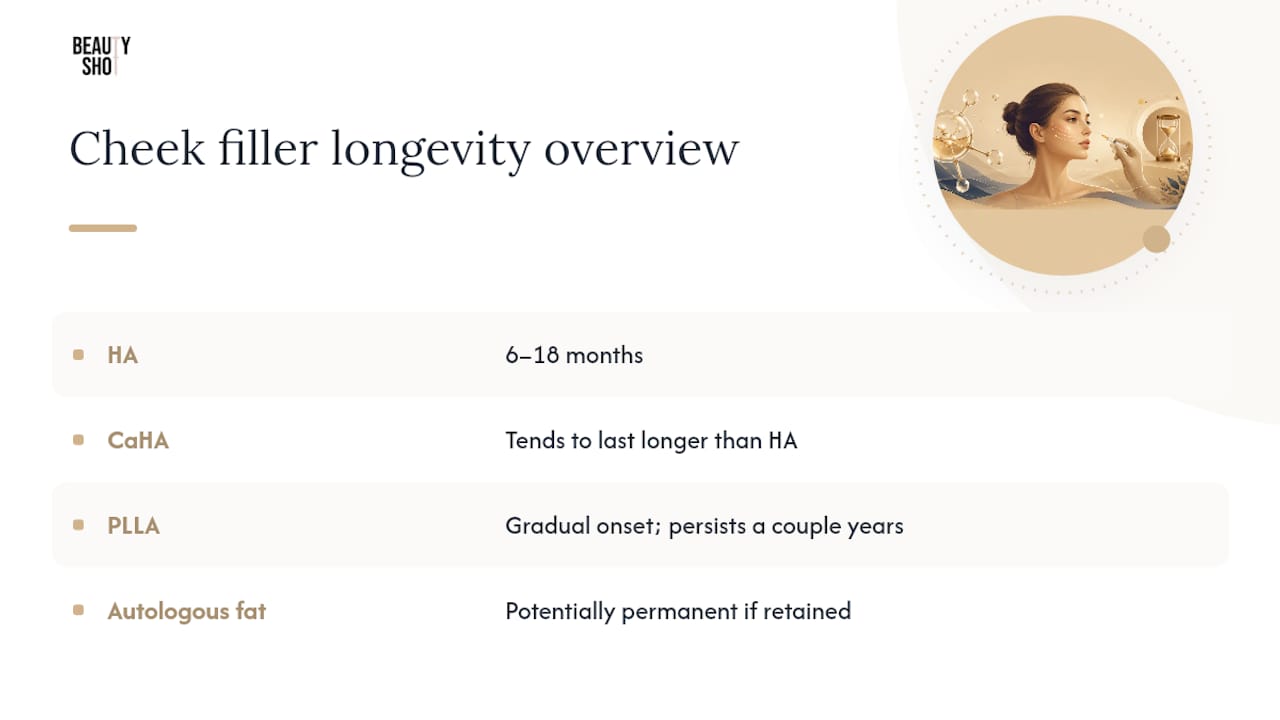
Longevity depends heavily on which filler you chose and how your body metabolizes it. HA fillers used for cheek volume typically last 6 to 18 months, with some higher G-prime formulations extending beyond that range for certain patients. CaHA tends to last longer than most HA options, while PLLA results build gradually and can persist for a couple of years once full collagen stimulation has occurred. Autologous fat, when it takes successfully, can offer the most durable outcome of all, since surviving fat cells become permanent tissue.
Metabolic rate, activity level, and even the treated area’s blood supply all influence how quickly a filler breaks down. Two patients using the identical product can see meaningfully different timelines.
With HA and CaHA, you’ll notice results immediately. PLLA works in reverse: don’t judge the final look until several months in, once collagen has had time to build. Most patients plan a follow-up or top-up somewhere between 9 and 15 months after initial treatment, though that window shifts based on the product and how your face responded the first time. If you’re curious how cheek volume changes interact with under-eye hollowing over time, this piece on reversing signs of ageing in the cheeks and under eyes is worth a read.
Who is a good candidate for cheek filler
Cheek filler works well for adults noticing volume loss, flattening, or a desire for more definition along the cheekbone. It’s not right for everyone, and a responsible injector will tell you that plainly during consultation rather than after you’ve paid a deposit.
Contraindications and cautions include:
- Pregnancy or breastfeeding
- Active skin infection or inflammation in the treatment area
- Certain autoimmune conditions that affect healing or immune response
- Known allergy to the filler ingredient or, in rare cases, to lidocaine
- Blood thinners, high-dose fish oil, or other supplements that raise bruising and bleeding risk, which your injector needs to know about ahead of time
Pro Tip: Bring a full list of your current medications and supplements to your consultation, even ones that seem unrelated. Something as ordinary as daily aspirin changes how your injector plans your treatment.
Ask your injector what product they’re recommending and why, what the reversal plan looks like if you’re unhappy with results, and whether they document your treatment plan in writing. A clinic that answers these questions clearly, without hesitation, is one worth trusting.
Behind the treatment: credentials and safety practices that matter
Cheek filler is a medical procedure, and the person holding the needle matters as much as the product inside it. This piece was written under the editorial guidance of Felix, drawing on established clinical literature and Canadian aesthetic nursing standards.
Beauty Shot Medical Clinic’s injectable treatments are performed by an advanced cosmetic Registered Nurse, and the clinic maintains a before and after gallery so prospective patients can see real outcomes rather than stock photography.
Safety practices worth expecting from any clinic include:
- A documented medical history and consultation before any injection
- Conservative, incremental dosing rather than maximizing volume in a single visit
- A clear plan for follow-up and, if needed, correction
- Availability to manage adverse reactions, consistent with Canadian practice standards for aesthetic nursing
An injector’s perspective on natural cheek enhancement
The best cheek filler results don’t announce themselves. They restore balance so the face looks like a well-rested version of itself, not a different face altogether. I’d rather start conservatively and add more at a follow-up than overcorrect on day one, because subtlety gives you room to adjust and dramatic volume rarely does.
Full disclosure of medical history isn’t a formality. It’s the single biggest factor in avoiding complications, more than the product brand or the injector’s years of experience combined.
— Felix
Ready to talk about your own cheek filler plan?
If you’ve read this far, you already understand more about filler types, technique, and safety than most people walking into a consultation cold, and that’s exactly the kind of informed patient Beauty Shot Medical Clinic likes to work with. Unlike a rushed visit where you’re handed a product menu and asked to pick, your consultation includes a full facial assessment by an advanced cosmetic Registered Nurse, photos to track your baseline, and a treatment plan built around your specific bone structure and goals, not a generic protocol. You’ll see real patient outcomes in the before and after gallery before you commit to anything. When you’re ready, visit the dermal fillers page to see what a personalized cheek treatment plan looks like and book a consultation to start the conversation.
Sources
- Consensus guidance on dermal filler practice (PMC5440530)
- Canadian Practice Standards and Guidelines for Nurses Practising in Medical Aesthetics
- Cannula versus needle safety data (PubMed 33377939)
FAQ
How long does cheek filler last?
Most HA cheek fillers typically last several months to over a year, CaHA tends to have longer-lasting effects, and PLLA results build up gradually and may persist for an extended period once collagen stimulation is complete. Autologous fat grafting, when successful, can offer the longest-lasting outcome since surviving fat becomes permanent tissue.
How much should cheek fillers cost?
Cost depends on the amount of product used, the filler type chosen, and the complexity of your treatment plan, so it varies significantly from patient to patient. A consultation is the only reliable way to get an accurate estimate for your specific goals.
Is cheek filler a good idea?
For adults with volume loss, flattening, or a desire for more cheek definition, filler is a well-established, minimally invasive option, particularly HA formulations, which are reversible if adjustments are needed. It’s not appropriate during pregnancy, breastfeeding, active skin infection, or with certain autoimmune conditions, so a thorough consultation matters.
How painful are cheek fillers?
Most patients describe the sensation as pressure or brief pinching rather than significant pain, especially with topical or injectable numbing beforehand. Many filler products also contain lidocaine mixed in, which further reduces discomfort during injection.