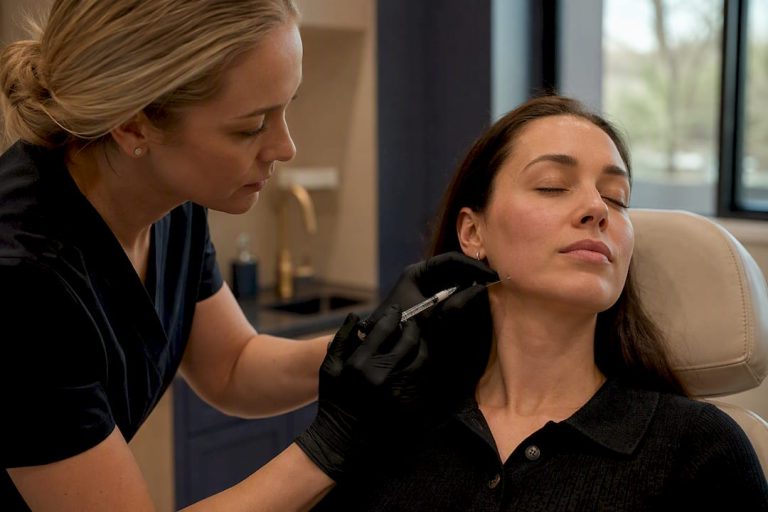

Combining Botox and fillers safely is defined as the coordinated use of a neurotoxin and a dermal filler by a qualified injector to address both dynamic wrinkles and volume loss in a single treatment plan. Clinically, this approach is called a botox and fillers combo or dual injectable treatment. The two products work on entirely different mechanisms, which is precisely why they complement each other so well. Botox relaxes overactive facial muscles to soften expression lines, while hyaluronic acid fillers restore lost volume and smooth static creases. When planned correctly by an experienced provider, the result is a refreshed, natural appearance rather than an overdone look.
How do Botox and dermal fillers complement each other?
Botox, or botulinum toxin type A, targets dynamic wrinkles formed by repetitive muscle movement. These are the lines you see when you squint, frown, or raise your eyebrows. Common treatment zones include the forehead, the area between the brows (glabella), and crow’s feet around the eyes. Botox does not add volume. It simply interrupts the nerve signal that tells a muscle to contract.
Dermal fillers, most commonly made from hyaluronic acid (HA), work in a completely different way. Products like Juvederm and Restylane are injected beneath the skin to physically restore volume, smooth deep folds, and define facial contours. They are best suited for the mid and lower face, including the cheeks, nasolabial folds, lips, and jawline. Understanding which areas suit each product is the foundation of safe, natural results.
The reason this botox fillers dual treatment works so well is that the two products address different wrinkle types without interfering with each other. Here is a quick breakdown of their distinct roles:
- Botox: Reduces dynamic wrinkles in the upper face by relaxing muscles; effects last approximately three months before gradual retreatment is needed
- HA fillers: Restore volume and smooth static lines in the mid and lower face; results typically last six to eighteen months depending on the product and area
- Combined use: Targets both muscle movement and volume loss for a balanced, harmonious facial rejuvenation that neither product achieves alone
- Anatomical precision: Each product must be placed in the correct region and tissue plane to work in harmony and avoid conflict
Combination treatments provide comprehensive facial rejuvenation by addressing both muscle movement and volume loss, producing a harmonious, natural appearance when executed correctly. This is why the botox and fillers combo has become one of the most requested treatment plans in medical aesthetics.
What are the key safety considerations for this dual treatment?
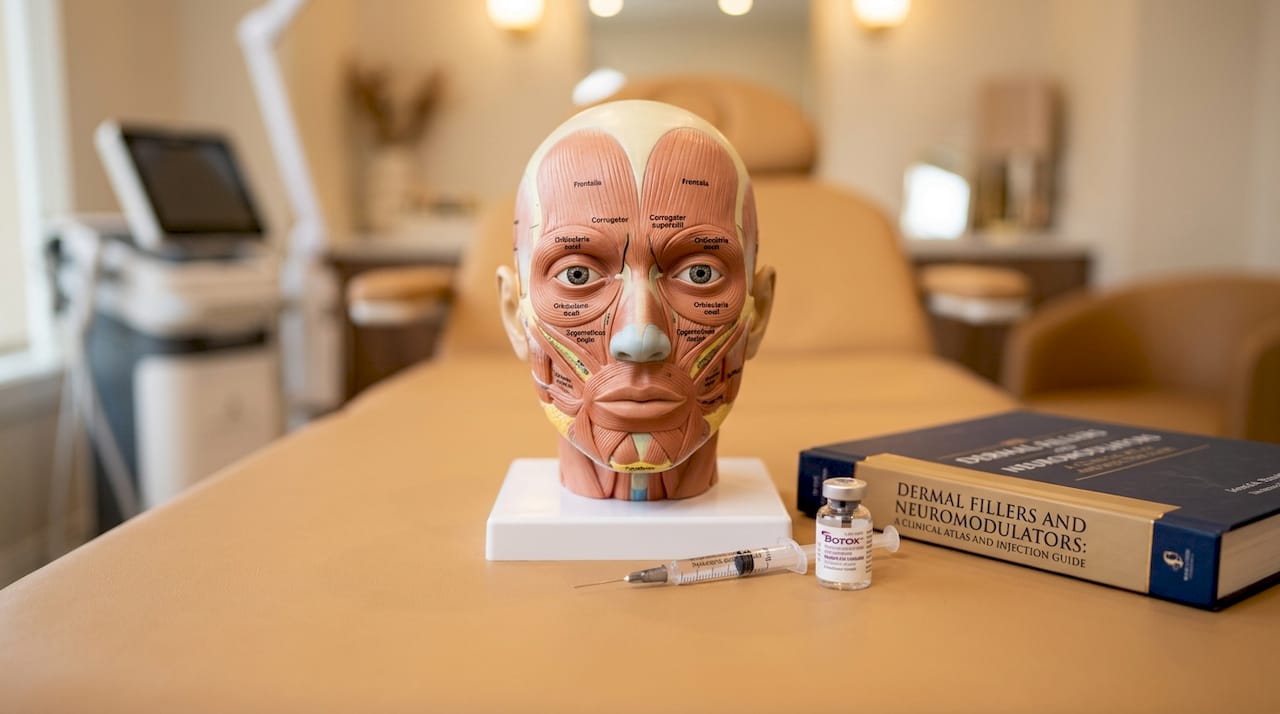
The safety of Botox and fillers depends on three non-negotiable factors: product legitimacy, provider credentials, and anatomical knowledge. The CDC advises patients to verify provider licensure and confirm that only FDA-approved botulinum toxin products are used, since counterfeit or diluted products are a documented source of serious complications including botulism-like symptoms. Bargain pricing is one of the clearest warning signs of a substandard product or an unqualified injector.
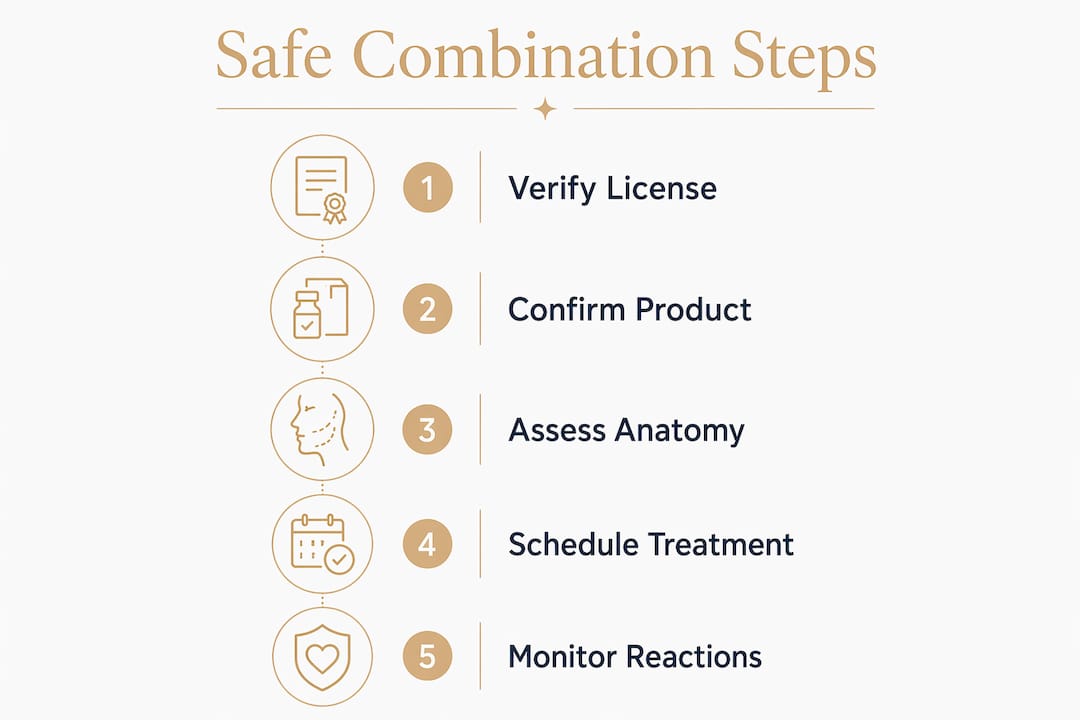
Serious complications most often trace back to counterfeit products and unlicensed injectors, not to the treatments themselves when performed correctly. A meta-analysis of upper-face Botox treatments found approximately 16% side effect rates linked partly to injector skill, which confirms that who performs your treatment matters as much as what product is used. Choose a provider who is licensed, trained specifically in combined injectable techniques, and practises in a regulated medical setting.
The most serious filler complication is vascular occlusion, which occurs when filler is inadvertently injected into or compresses a blood vessel. This is rare, but it requires immediate intervention. Prompt high-dose hyaluronidase injections are the first-line emergency treatment, and outcomes improve significantly when administered within hours of symptom onset. This means your provider’s clinic must have hyaluronidase on site and staff trained to recognise early warning signs such as blanching, mottled skin, or sudden pain.
“Emergency management readiness, particularly the availability of hyaluronidase and staff training on early vascular occlusion recognition, is not optional. It is a baseline standard for any clinic offering dermal fillers.” — Vascular Occlusion Emergency Management Review, MDPI 2025
For most patients, though, the side effects of HA fillers are mild and short-lived. A 2026 meta-analysis of 947 patients found predominantly mild injection-site reactions such as swelling, bruising, and tenderness, with the majority resolving within two weeks. Serious events are rare. Understanding this distinction helps you set realistic expectations without unnecessary anxiety.
Pro Tip: Ask your provider directly whether hyaluronidase is stocked on site before your filler appointment. A confident, qualified injector will answer without hesitation.
Same day or staged? Timing your Botox and filler sessions
One of the most common questions about the botox and fillers combo is whether both treatments should happen on the same day or in separate sessions. Both approaches are valid, and the right choice depends on your goals, anatomy, and your provider’s assessment.
Staging treatments allows your provider to assess the full effect of Botox on your muscle movement before making volume adjustments with fillers. This is particularly valuable for first-time combination patients, where the interplay between relaxed muscles and facial volume is harder to predict in advance. Seeing Botox results at the two-week mark gives your injector a clearer picture of where filler is actually needed.
Same-day treatment saves time and reduces the number of appointments, which many patients prefer. The trade-off is that swelling and bruising from both treatments overlap, making it harder to assess symmetry immediately. Bruising and swelling can last up to two weeks, which affects how quickly you can evaluate your results and whether fine-tuning is needed.
| Approach | Best for | Key benefit | Key consideration |
|---|---|---|---|
| Same-day treatment | Experienced combo patients | Fewer appointments, time-efficient | Overlapping swelling may delay result assessment |
| Staged treatment | First-time combo patients | Precise filler placement after Botox settles | Requires two separate visits, two recovery periods |
| Botox first, fillers later | Patients with significant muscle movement | Clearest baseline for volume decisions | Two to four weeks between sessions recommended |
Pro Tip: If this is your first time combining both treatments, consider staging them two to four weeks apart. You will give your provider the clearest possible canvas for filler placement.
Best practices for a safe Botox and filler dual treatment
Following a structured approach before, during, and after your appointment significantly reduces your risk of complications and improves your results. Here is what the best practices for Botox and fillers look like in practice.
Before your appointment:
- Share your full medical history with your provider, including any blood thinners, supplements like fish oil or vitamin E, and previous injectable treatments
- Disclose any known allergies, particularly to lidocaine or hyaluronic acid products
- Discuss your aesthetic goals clearly and ask your provider to explain the treatment plan, including which products will be used and in which areas
- Avoid alcohol for at least 24 hours before treatment to reduce bruising risk
During treatment:
- Your provider should follow established anatomical landmarks and inject fillers using low-volume micro-bolus techniques with slow, controlled delivery
- Blunt cannulas are preferred over sharp needles in high-risk vascular zones such as the nasolabial folds and temples
- Deeper injection planes reduce the risk of vascular occlusion in the mid and lower face
- You should feel comfortable asking questions or requesting a pause at any point
After your appointment:
- Expect mild swelling, redness, and tenderness at injection sites for several days
- Avoid strenuous exercise, heat exposure, and lying flat for at least four hours post-treatment
- Do not massage filler areas unless specifically instructed by your provider
- Review Botox aftercare guidance to understand what is normal and what warrants a call to your clinic
Report any unusual symptoms promptly. Blanching, severe pain, vision changes, or skin discolouration after filler treatment require immediate contact with your provider. These are rare, but early intervention makes a critical difference in outcomes.
Key takeaways
Combining Botox and fillers safely requires a qualified injector, FDA-approved products, anatomical precision, and a clinic prepared to manage rare complications.
| Point | Details |
|---|---|
| Distinct mechanisms | Botox relaxes muscles for dynamic wrinkles; fillers restore volume for static lines and contours. |
| Provider credentials matter | Injector skill is directly linked to adverse event rates; always verify licensure and training. |
| Emergency readiness is non-negotiable | Your clinic must stock hyaluronidase and have protocols for vascular occlusion emergencies. |
| Timing affects precision | Staged treatments give first-time combo patients more accurate filler placement after Botox settles. |
| Mild side effects are expected | Swelling and bruising lasting up to two weeks are normal; severe symptoms require immediate attention. |
What I have learned from treating combination patients
After working with patients across a wide range of ages and facial structures, the single most consistent finding is this: the patients who are happiest with their results are the ones who came in with realistic expectations and a willingness to be guided by their provider’s assessment rather than a photo they found online.
The biggest misconception I see is that more product equals better results. It does not. The goal of combining Botox and fillers is balance. A small amount of Botox in the right muscle, paired with precise filler placement in a volume-deficient area, produces a result that looks like a well-rested version of you. Overfilling or over-relaxing muscles in the wrong areas creates the “done” look that most patients are actively trying to avoid.
I also want to address the fear factor honestly. Vascular occlusion is rare, but it is real, and it is why I will never minimise the importance of choosing a qualified provider. The difference between a good outcome and a serious complication is often the injector’s anatomical knowledge and their ability to respond quickly if something unexpected happens. You can read more about combining Botox with other treatments to understand how these decisions are made in practice.
The patients who do best are the ones who treat this as a medical appointment, not a beauty errand. Ask questions. Review your provider’s credentials. And trust the process, because when it is done right, the results are genuinely worth it.
— Felix
Safe, natural combination treatments at Beautyshotmedicalclinic
Beautyshotmedicalclinic in Woodbridge, Vaughan, Ontario, offers Botox and dermal filler combination treatments performed exclusively by an advanced cosmetic Registered Nurse. The clinic uses only Health Canada and FDA-approved products sourced from authorised suppliers, and maintains full emergency preparedness including hyaluronidase on site for every filler appointment. Every treatment plan is personalised to your facial anatomy, goals, and medical history, with a focus on natural-looking results that leave you refreshed rather than overdone. If you are ready to explore what a safe combination treatment can do for your appearance, book a consultation with Beautyshotmedicalclinic today.
FAQ
Can you mix Botox and fillers in the same appointment?
Yes, Botox and fillers can be administered in the same appointment. Many providers offer same-day treatment, though staging sessions two to four weeks apart is often recommended for first-time combination patients to allow more precise filler placement.
What are the most common side effects of combining both treatments?
The most common side effects are swelling, bruising, redness, and tenderness at injection sites. A 2026 meta-analysis found these reactions are predominantly mild and resolve within two weeks for most patients.
How do I know if my provider is qualified to perform combination treatments?
Verify that your provider holds a current provincial licence, has specific training in both neurotoxin and filler injections, and works in a regulated medical setting. The CDC recommends confirming licensure and ensuring only FDA-approved products are used.
What is vascular occlusion and how serious is it?
Vascular occlusion occurs when filler blocks or compresses a blood vessel, restricting blood flow to surrounding tissue. It is rare but serious, and requires immediate treatment with high-dose hyaluronidase injections to prevent tissue damage.
How long do results from a Botox and filler combo last?
Botox results typically last approximately three months before gradual retreatment is needed. HA filler results last six to eighteen months depending on the product used and the area treated.
Recommended
- Combining Botox with Other Treatments: What You Need to Know – Beauty Shot | Botox Fillers Woodbridge Vaughan
- Combining Botox with Other Treatments: What You Need to Know – Beauty Shot | Botox Fillers Woodbridge Vaughan
- Botox vs. Fillers: Which One is Right for You? – Beauty Shot | Botox Fillers Woodbridge Vaughan
- Booking Your First Botox Treatment: A Step-by-Step Guide – Beauty Shot | Botox Fillers Woodbridge Vaughan