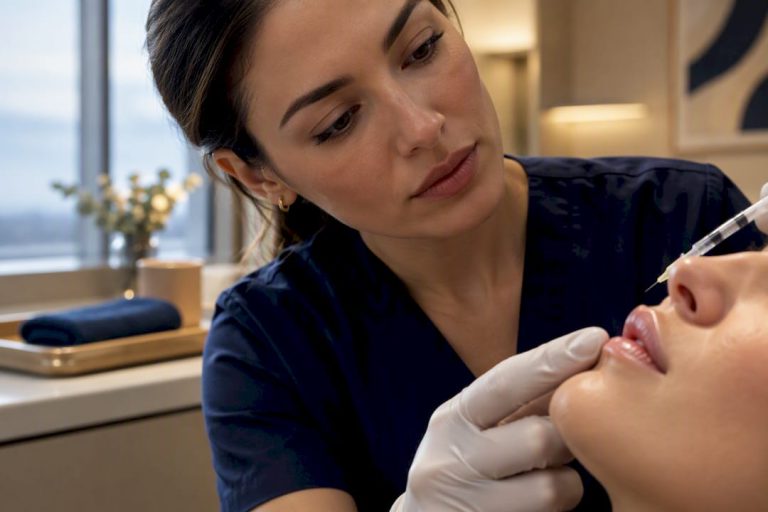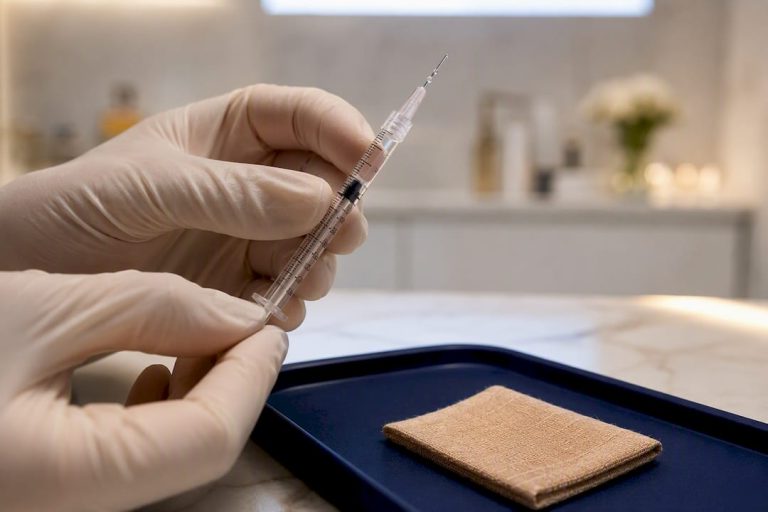
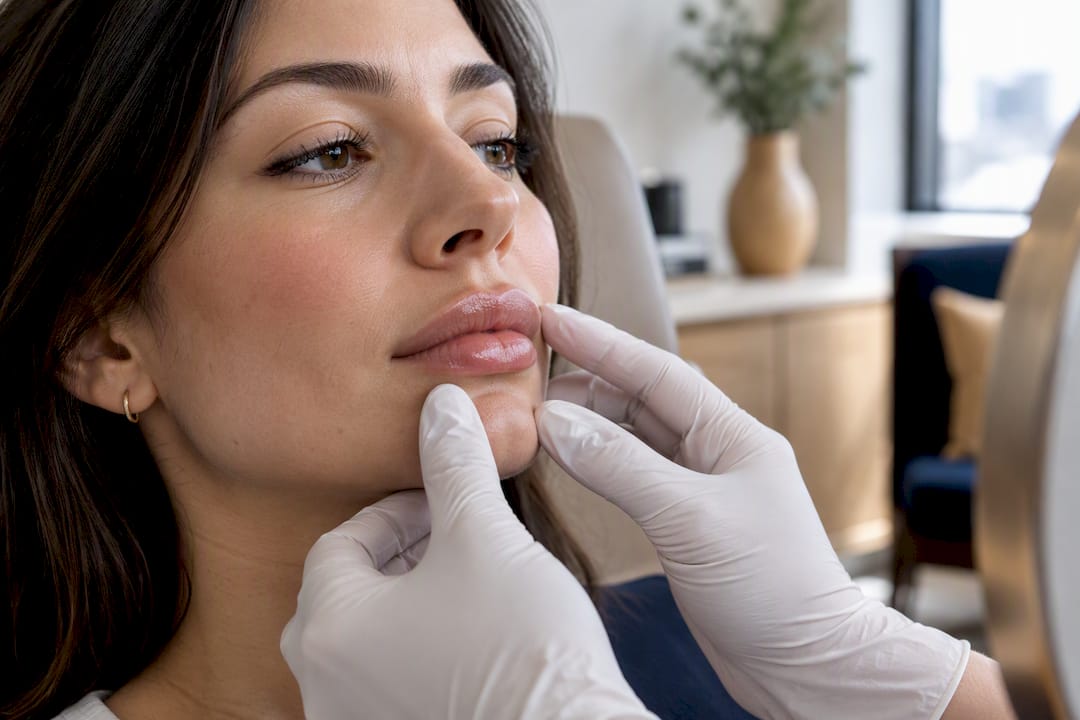
Most lip filler lumps in the first week or two are swelling or palpable product settling into place, and they typically ease on their own. Some signs, though, mean you need a clinical assessment right away rather than a wait-and-see approach. If your filler is hyaluronic acid based, hyaluronidase can dissolve it in appropriate cases, but that decision needs a proper evaluation first, not a guess.
TL;DR:
- Most early lip filler lumps are swelling or product settling, typically resolving within one to two weeks without intervention.
- Persistent lumps beyond four weeks, especially if inflamed or changing, require prompt clinical evaluation for proper diagnosis.
- Massaging early, non-inflammatory lumps can help redistribute filler if guided by a professional, but inflamed or delayed nodules should not be manipulated.
- Signs such as skin discoloration, spreading redness, fever, or vision changes indicate urgent care is needed due to potential vascular compromise or infection.
- Treatment approaches are individualized, including observation, antibiotics, steroids, or hyaluronidase when appropriate, with proper diagnosis guiding each step.
What causes lip filler lumps and when do they show up?
Lumps after lip filler fall into a few distinct categories, and timing tells you a lot about what you’re dealing with.
In the first 24 to 72 hours, most lumps are simply tissue responding to the needle: swelling, bruising, or a small hematoma. Product itself can also feel firm or bumpy right after injection, especially in thinner-skinned areas of the lip, before it fully integrates with surrounding tissue.
Over the next few days to weeks, some lumps come from how the product settled. A small bolus of filler, lip movement during the healing phase, or a technique issue can leave a visible or palpable irregularity that wasn’t obvious on the day of treatment.
Delayed nodules, appearing weeks to months later, are a different story. Health Canada lists nodules, infection, and abscesses among reported adverse reactions to dermal fillers, and notes some reactions can last several months and need additional treatment. Research into these delayed reactions describes them as multifactorial, meaning filler material, low-grade infection, and the body’s own immune response can all play a role, sometimes together.
The common threads across delayed cases include:
- Immune-mediated reactions to the filler itself, sometimes triggered by an unrelated illness or vaccination
- Biofilm or low-grade bacterial infection around the filler
- Gradual product degradation or migration over time
- A prior filler in the same area reacting to a new injection nearby
Can you massage out lip filler lumps safely?
Massage has a real, limited role. It is not a fix for every kind of lump, and knowing the difference protects you from doing more harm than good.
For early, non-inflamed firmness (no redness, no heat, no fever), gentle manipulation guided by your injector can sometimes help redistribute product evenly. This is worth trying only when your clinic has specifically advised it for your situation.
- Wash your hands thoroughly before touching your lips.
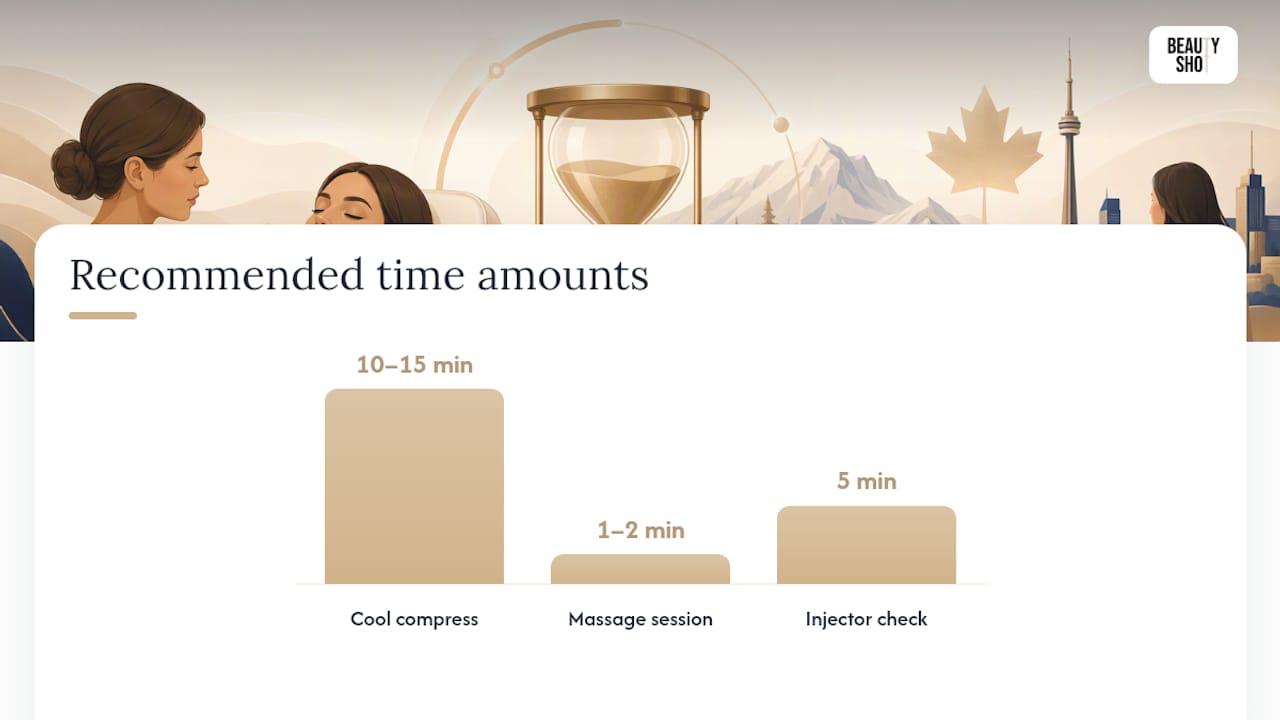
- Apply a clean, cool compress for 10 to 15 minutes if swelling is the main issue, particularly in the first 48 hours.
- If your injector has taught you a specific technique, use light, steady fingertip pressure in small circular motions, never squeezing or pinching.
- Limit sessions to a minute or two, once or twice a day, and stop if you notice increased pain or swelling.
- Never attempt to squeeze, pop, or lance a lump. That risks pushing filler into unintended tissue or introducing infection.
Consensus reviews on delayed reactions are clear that treatment depends on the underlying cause, and massage is not a universal answer. If a lump is inflamed, red, or has appeared weeks after treatment, rubbing it can aggravate inflammation or mask signs your clinician needs to see clearly. For a full walkthrough of what to do and avoid at each healing stage, our guide on massaging after lip fillers covers the specifics in more depth.
Pro Tip: If you’re not sure whether a lump is “safe to massage” firmness or something that needs a clinical look, don’t guess. Send your injector a photo and a quick description of timing and symptoms. That five-minute check can save you weeks of unnecessary worry.
What warning signs mean you need urgent care?
Some symptoms after lip filler are simply not something to sit with, and the difference between “watch it” and “go now” comes down to a short list of red flags.
Seek urgent assessment, and in severe cases emergency care, if you notice:
- Skin turning pale, blue, or dusky, especially with severe or escalating pain
- Blistering or skin breakdown near the injection site
- Redness that is spreading rather than staying localized
- Fever, chills, or visible pus
- Any change in vision
Pale or dusky skin combined with pain out of proportion to the treatment can signal vascular compromise, where filler has affected blood flow to the tissue. This is uncommon, but it is one of the few true emergencies in cosmetic injecting, and minutes matter.
For everything short of those red flags, a general rule of thumb helps: mild swelling and firmness are reasonable to monitor for one to two weeks. If a lump appears or persists beyond four weeks, that crosses into what clinicians classify as a delayed-onset reaction, and it deserves a professional look rather than more waiting.
How do clinicians diagnose and treat persistent lip filler lumps?
A lump on its own isn’t a diagnosis. What matters is the story around it, and a thorough evaluation usually starts with a conversation before it moves to hands-on exam.
Your injector will ask about timing (days versus weeks versus months), whether you’ve had fillers in the area before, and whether anything unusual preceded the lump, like an illness, a vaccine, or dental work. On exam, they’re checking tenderness, warmth, colour, firmness, and whether the lump moves or stays fixed. In some cases, ultrasound imaging helps locate filler precisely and rule out fluid collections or abscesses that aren’t obvious by touch alone.
Treatment follows the cause, not a one-size-fits-all script:
- Observation with anti-inflammatory support for mild, non-inflamed swelling that’s likely to resolve on its own
- Antibiotics when infection is suspected, sometimes alongside other measures if a biofilm is likely
- Intralesional or oral steroids for inflammatory nodules that aren’t responding to conservative care
- Hyaluronidase, an enzyme available in Canada through products like WYDASE, to dissolve hyaluronic acid filler when the lump is confirmed to be HA-based and appropriate for dissolution
- Drainage or surgical excision, reserved for cases that don’t respond to the above
Hyaluronidase only works on hyaluronic acid fillers. If you’re not certain what was injected, or where, that needs to be confirmed before anyone reaches for a dissolving agent. Readers dealing with visible asymmetry rather than a discrete lump may find our guide to correcting uneven lip filler results useful for understanding staged correction.
How can you lower your risk of lip filler lumps?
Prevention starts well before the needle touches your lip, and most of it comes down to information you share and questions you ask.
- Disclose your full history. Tell your injector about cold sores, recent illness, upcoming or recent vaccinations, and every filler you’ve had previously, even in other areas of your face.
- Ask to see the product label. Health Canada advises patients confirm the product is authorized for use in Canada, and a reputable injector will show you the box without hesitation.
- Confirm your practitioner’s credentials. Ask who is performing the injection and what training they’ve completed. Learn more about what a proper consultation and procedure should look like in our overview of what to expect during a lip filler appointment.
- Watch for aseptic technique. Gloves, skin disinfection, and a clean workspace are basic, non-negotiable standards.
- Follow aftercare instructions precisely, including avoiding intense exercise, alcohol, and unnecessary touching of the treated area for the first 24 to 48 hours. Our aftercare checklist covers this day by day.
- Steer clear of needle-free devices. These are not authorized for cosmetic filler use in Canada and carry their own complication risks.
Prevention research on delayed nodules describes it as a layered process. Patient selection, product choice, technique, and aftercare each reduce risk incrementally, and no single step eliminates it entirely.
How experienced injectors think through a lip filler lump
A lump is an observation, not a verdict. Timing, tenderness, colour, and whether it’s fluctuant all shape whether the right move is watchful waiting, medication, or dissolving the product.

That’s why documenting the product, batch number, and technique used at the original appointment matters so much. It means that if a problem shows up later, there’s a clear record to work from instead of guesswork. Staged, image-guided use of hyaluronidase, informed by ultrasound where needed, avoids unnecessary tissue disruption compared to dissolving broadly and hoping for the best.
A note from your injector’s chair
Most lumps I see settle with time and patience, not intervention. The cases that go sideways are usually the ones where someone pressed too hard, waited too long, or tried a fix meant for a different problem. My approach stays conservative: assess first, document everything, and treat based on what’s actually there. If something feels off or isn’t improving, reach out. That’s what the consultation is for.
— Felix
Getting a lump assessed at Beauty Shot Medical Clinic
If you’re dealing with a lump that isn’t settling, or you simply want a second set of trained eyes before you decide what to do next, Beauty Shot Medical Clinic offers the kind of assessment that skips the guesswork most home remedies can’t replace. Every injectable treatment, correction, and evaluation is performed personally by an advanced cosmetic Registered Nurse, not handed off to an assistant, which means the person assessing your lump is the same one qualified to treat it. That includes hyaluronidase for hyaluronic acid cases, ultrasound-informed evaluation when warranted, and documented follow-up so nothing gets treated on a hunch.
Bring the name of your original filler if you know it, roughly when it was injected, and a note on when the lump appeared. You can review the full range of dermal filler and corrective services or book directly through the services page to get your lip evaluated properly.
Where to check official guidance
For primary sources, Health Canada’s cosmetic injection guidance covers adverse event reporting, and peer-reviewed reviews on delayed-onset filler reactions detail current treatment consensus.
This article is general information, not a substitute for advice from a qualified doctor. Consult a qualified healthcare professional about your own circumstances before acting on anything here.
Sources
- Cosmetic injections – Health Canada
- Global approaches to prevention and management of delayed-onset adverse reactions with hyaluronic acid-based fillers — PMC
- WYDASE INJ 150UNIT/ML — Drug Product Database (Canada)
FAQ
Do lumps from lip filler go away on their own?
Many early lumps, especially those tied to swelling or normal product settling, resolve within one to two weeks without any treatment. Lumps that persist past four weeks or show signs of inflammation typically need a clinical evaluation rather than more waiting.
Can you massage out lip filler lumps yourself?
Gentle massage can sometimes help early, non-inflamed firmness settle, but only when your injector has specifically guided you on the technique. Inflamed or delayed nodules generally don’t respond to massage and rubbing them can make diagnosis harder for your clinician.
What are the signs of a botched lip filler?
Warning signs include severe or worsening pain, skin turning pale or dusky, spreading redness, fever, pus, or any change in vision, all of which point to possible vascular compromise or infection. Persistent asymmetry or firm, unresolving lumps also warrant a professional assessment rather than a wait-and-see approach.
How do you get rid of bumps on your lips from filler?
Treatment depends entirely on the cause: mild swelling often just needs time, suspected infection needs antibiotics, and inflammatory nodules may need steroids. Hyaluronic acid based lumps can often be reduced with hyaluronidase once a qualified injector confirms the product type and appropriateness for dissolving.
Does Beauty Shot Medical Clinic treat lip filler lumps from other providers?
Yes, Beauty Shot Medical Clinic assesses and treats lip filler complications regardless of where the original treatment was performed, provided the product and history can be reasonably established. Every evaluation and correction is carried out by an advanced cosmetic Registered Nurse, and current service details are listed on the clinic’s services page.