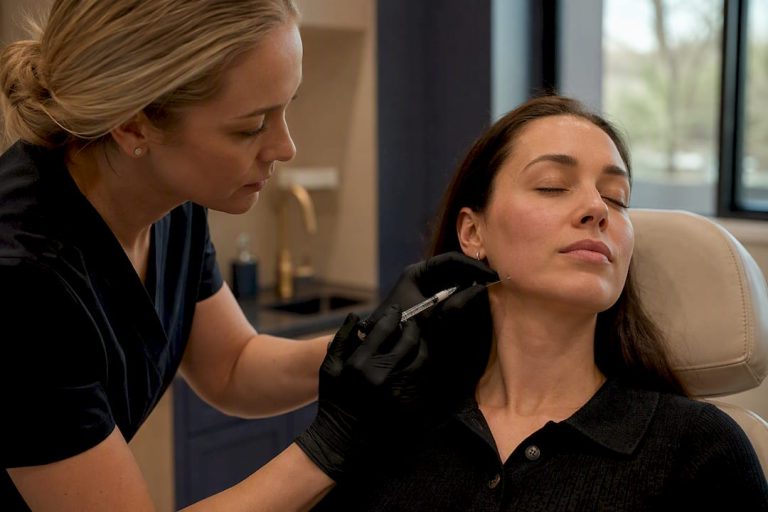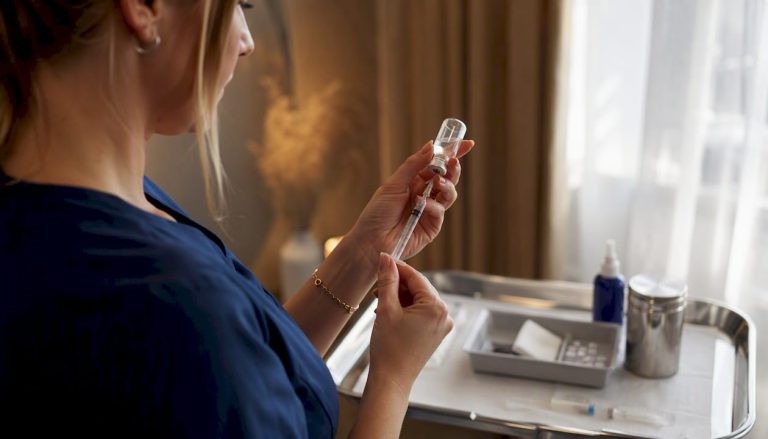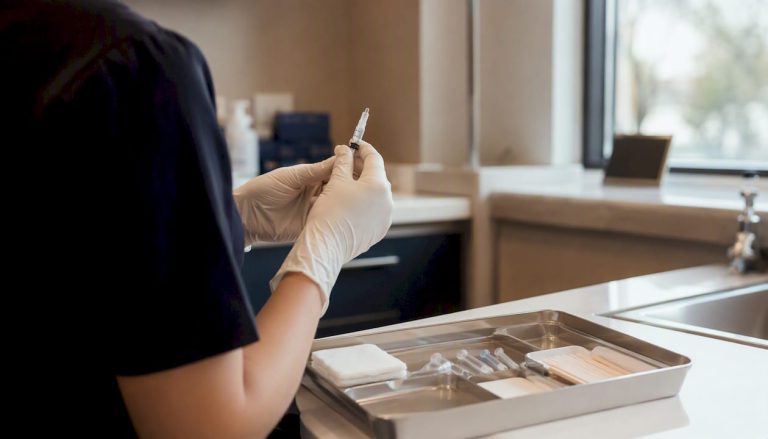
Botox, the brand name for botulinum toxin type A produced by Allergan, is defined as a purified neurotoxin that temporarily relaxes targeted facial muscles to soften lines and wrinkles. Understanding what are common Botox side effects before your first treatment is one of the most practical steps you can take toward a confident, informed decision. The good news is that the vast majority of reactions are mild, localised to the injection site, and resolve on their own within days to two weeks. Serious complications are rare and, in most cases, directly linked to product quality and injector expertise. This article walks you through the full Botox side effects list, from the everyday to the uncommon, so you know exactly what to watch for and when to call your provider.
What are the most common Botox side effects and how long do they last?
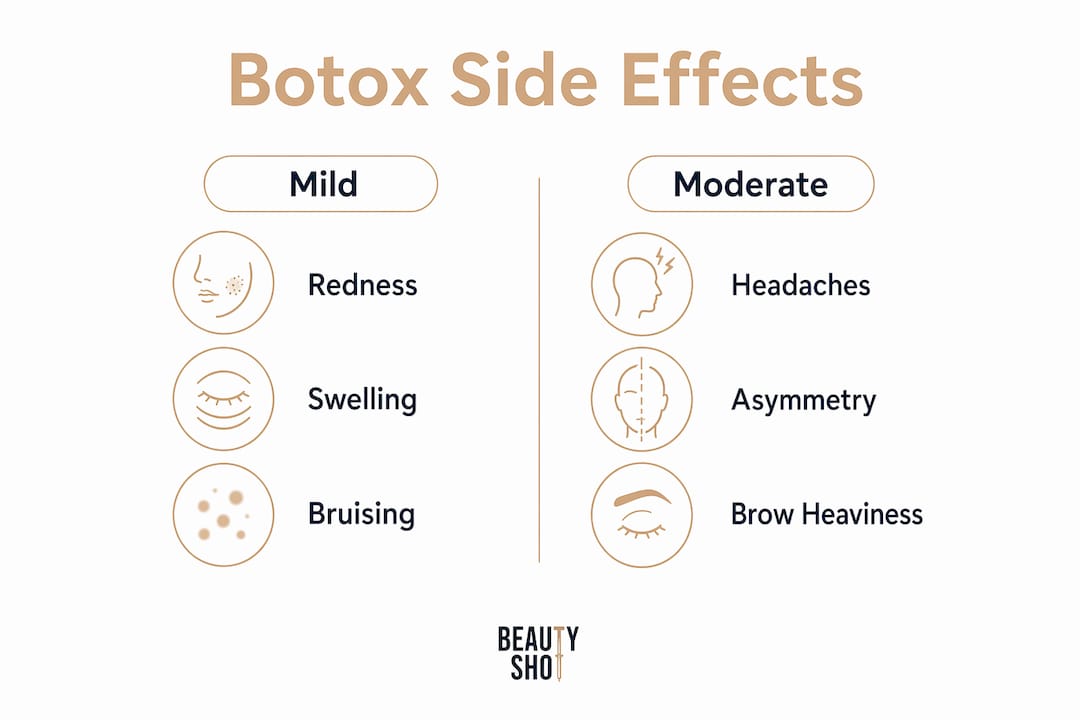
The most frequent reactions to Botox are localised injection-site responses. These include erythema (redness), oedema (swelling), tenderness, and bruising at the treated area. Injection-site redness and swelling typically resolve within one day, while bruising can range from a small pinpoint mark that fades quickly to a larger ecchymosis taking up to 14 days to clear. This timeline matters because many patients schedule treatments before social events, so planning at least two weeks ahead gives your skin adequate time to settle.
Mild headaches are another commonly reported reaction after cosmetic Botox injections. Headaches occur in up to 15% of procedures, which means roughly one in seven patients notices some degree of head discomfort in the hours or days following treatment. These headaches are generally short-lived and respond well to over-the-counter options like acetaminophen (Tylenol). Flu-like symptoms including mild fatigue and low-grade fever can also appear in the first 24 to 48 hours, though these are less common and typically brief.
Here is a quick reference for the most frequent mild reactions and their typical resolution times:
| Side effect | Typical resolution time |
|---|---|
| Injection-site redness | Within 24 hours |
| Localised swelling | Within 24 to 48 hours |
| Tenderness at injection site | 1 to 3 days |
| Bruising (ecchymosis) | Up to 14 days |
| Mild headache | 1 to 3 days |
| Flu-like symptoms | 24 to 48 hours |
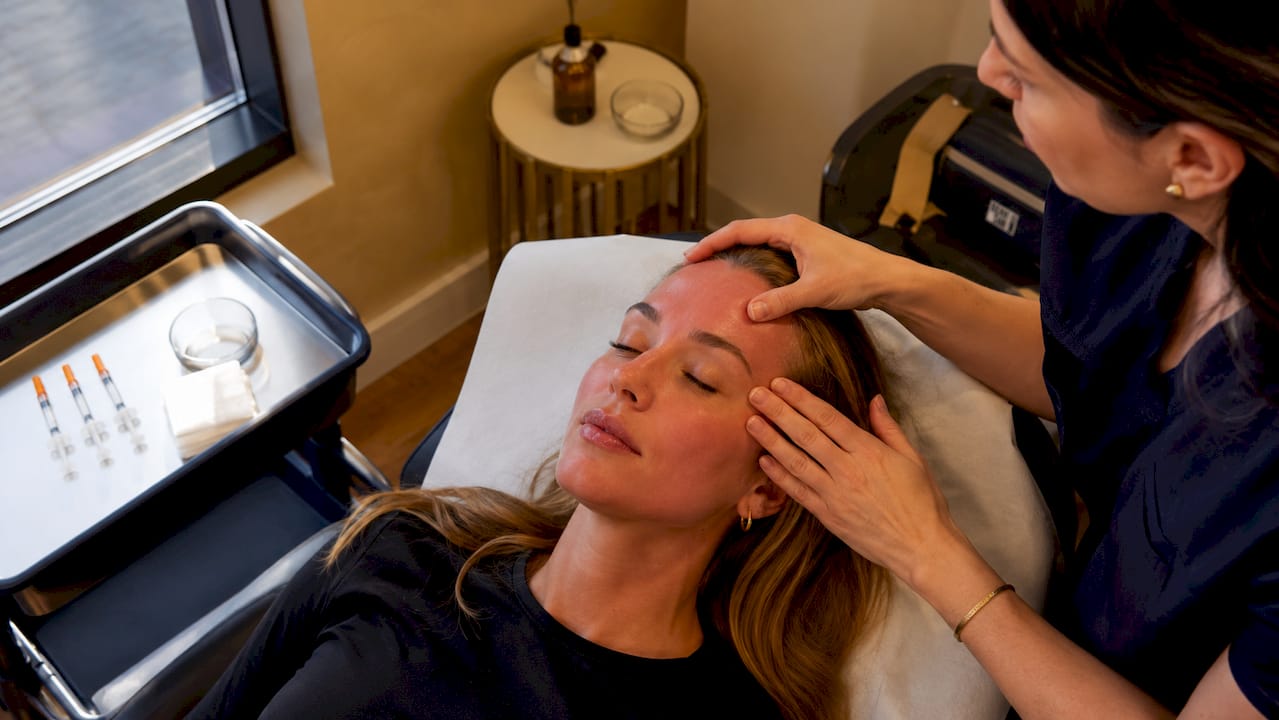
Reducing your risk of bruising starts before your appointment. Avoiding blood-thinning supplements such as fish oil, vitamin E, and aspirin for several days prior to treatment lowers bruising likelihood. Post-treatment care involves applying ice to the treated area, avoiding rubbing the injection sites, and refraining from strenuous exercise for 24 hours. These steps help minimise both bruising and the risk of unintended toxin spread.
Pro Tip: Book your Botox appointment at least two weeks before any major event. Even minor bruising can take up to 14 days to fully resolve, and this buffer gives you peace of mind.
Which moderate side effects come from Botox’s muscle-relaxing action?
Botox works by blocking nerve signals to specific muscles, and occasionally that relaxing effect reaches muscles adjacent to the intended treatment zone. The most discussed moderate complication is blepharoptosis, the medical term for temporary eyelid drooping. Blepharoptosis occurs in 1 to 5% of cases and is directly correlated with injector experience. It results from toxin migration through the orbital septum, affecting the levator palpebrae superioris muscle that holds the upper eyelid open.
The reassuring part is that blepharoptosis is fully reversible. Toxin migration causing eyelid drooping can be managed with FDA-approved alpha-adrenergic eye drops such as oxymetazoline or naphazoline/pheniramine, which temporarily stimulate the Müller’s muscle to lift the lid while the Botox wears off. An experienced injector minimises this risk by staying within defined anatomical safety zones and using precise dosing. Choosing a qualified provider is the single most effective way to reduce your risk of this side effect.
Other moderate effects related to muscle relaxation include:
- Eyebrow ptosis: Unintended relaxation of the frontalis muscle can cause the brow to drop lower than desired, altering your natural expression.
- Facial asymmetry: Uneven dosing or slight differences in muscle anatomy between the left and right sides can produce temporary asymmetry. This is usually correctable with a small touch-up.
- Dry eyes or mild vision disturbances: These are uncommon but can occur when treatment is placed near the orbital area, particularly in patients who already have dry eye symptoms.
- Temporary muscle weakness: Adjacent muscles may feel slightly weaker than usual for the first week or two as the toxin settles.
All of these effects are temporary. Botox effects fade as nerve endings regenerate, typically over three to four months, meaning any unintended muscle relaxation will also resolve within that window.
Pro Tip: If you notice any asymmetry or brow heaviness two weeks after treatment, contact your injector before assuming the result is final. A small corrective dose placed strategically can often balance the outcome.
What rare but serious Botox complications should patients know about?
Serious complications from Botox are uncommon when the treatment is performed correctly with approved products. Infection rates are below 0.01% of procedures, and nerve injury leading to paresthesia occurs in under 1% of cases. These numbers reflect treatments performed by trained professionals using sterile technique and Health Canada-approved products like Allergan Botox or Dysport.
The most serious risk associated with botulinum toxin is distant spread of the toxin, which can produce botulism-like symptoms. Counterfeit or improperly stored products administered by untrained providers significantly elevate this risk. The CDC identifies unlicensed injectors and unapproved products as the primary drivers of serious adverse events. Symptoms of distant toxin spread include:
- Difficulty swallowing or speaking
- Muscle weakness in areas away from the injection site
- Breathing difficulties or shortness of breath
- Double vision or drooping of multiple facial structures
- Loss of bladder control
If you experience any of these symptoms after a Botox treatment, seek emergency medical care immediately. These reactions are rare but require prompt attention.
A separate category of rare reactions involves the immune system. Serum sickness is a delayed systemic immune response that can appear days after injection, presenting with fever, joint pain, and urticaria (hives). Clinicians increasingly report these cases as distinct from viral illnesses, making it worth mentioning any post-treatment systemic symptoms to your provider. Anaphylaxis, a severe immediate allergic reaction, is exceedingly rare but is another reason why treatments should always be performed in a clinical setting with qualified staff who can respond to adverse events.
“The safest Botox experience starts with choosing a licensed, medically trained injector who uses Health Canada-approved products. No cosmetic outcome is worth the risk of an unregulated treatment.” — Irene Soni, R.N., BScN, Beauty Shot Medical Clinic
Anxiety about injections can also trigger vasovagal episodes, meaning some patients feel faint or lightheaded around the time of treatment. This is a physiological response to stress rather than a reaction to the toxin itself, and it passes quickly when the patient is positioned safely and given a moment to recover.
How do Botox side effects compare to those of dermal fillers?
Botox and dermal fillers like Juvederm and Restylane are both injectable cosmetic treatments, but their side effect profiles differ in meaningful ways. The table below outlines the key distinctions:
| Side effect category | Botox | Dermal fillers |
|---|---|---|
| Bruising and swelling | Mild, resolves in days to 2 weeks | Often more pronounced, especially in lips |
| Muscle-related effects | Temporary weakness, drooping possible | Not applicable |
| Vascular complications | Rare | Higher risk near arteries (e.g., nose, under-eye) |
| Duration of side effects | Weeks; full reversal in 3 to 4 months | Weeks; product lasts 6 to 18 months |
| Allergic reactions | Very rare | Rare; hyaluronidase can dissolve filler |
The mechanism behind each treatment shapes its risk profile. Botox relaxes muscles, so its complications tend to involve unintended muscle effects. Fillers add volume, so their complications more often involve swelling, migration, or, in rare cases, vascular occlusion. When combining Botox and fillers, the overall bruising risk increases slightly because multiple injection sites are involved.
Several factors influence how likely you are to experience side effects from either treatment:
- Injector expertise: A provider with advanced anatomical training and experience with products like Allergan Botox or Teoxane fillers will place injections more precisely, reducing the risk of unintended effects.
- Dosing accuracy: Too much product in the wrong location is a leading cause of asymmetry and muscle-related complications.
- Patient variables: Skin thickness, muscle mass, prior treatments, and medications like blood thinners all affect how your body responds.
- Treatment site: Areas near the eyes and forehead carry a slightly higher risk of ptosis compared to areas like the masseter or neck.
Selecting a qualified Botox specialist and having an open conversation about your health history before treatment is the most reliable way to reduce your personal risk across all injectable treatments.
Key takeaways
Most Botox side effects are mild, localised, and temporary, with serious complications rare and largely preventable through qualified, medically supervised treatment.
| Point | Details |
|---|---|
| Mild side effects are common | Redness, swelling, and bruising resolve within hours to 14 days for most patients. |
| Headaches affect up to 15% | Short-lived headaches are among the most frequently reported reactions after cosmetic Botox. |
| Eyelid drooping is rare but manageable | Blepharoptosis occurs in 1 to 5% of cases and is treatable with approved eye drops. |
| Serious risks are linked to unqualified providers | Counterfeit products and unlicensed injectors are the primary drivers of severe complications. |
| All effects are reversible | Botox metabolises over 3 to 4 months, meaning every side effect resolves as nerve endings regenerate. |
What nine years of injecting has taught me about side effects
I want to be honest with you about something most articles skip: the side effects patients worry about most are rarely the ones that actually show up. People come to me anxious about frozen faces and drooping eyelids, and what they actually experience is a small bruise that fades in a week.
That said, I have seen what happens when Botox goes wrong in unregulated settings, and it is not subtle. The patients I have spoken with who experienced serious complications almost always received treatment from someone without proper medical training or used a product that was not Health Canada-approved. This is not a scare tactic. It is the clinical reality, and it is why I take provider selection so seriously.
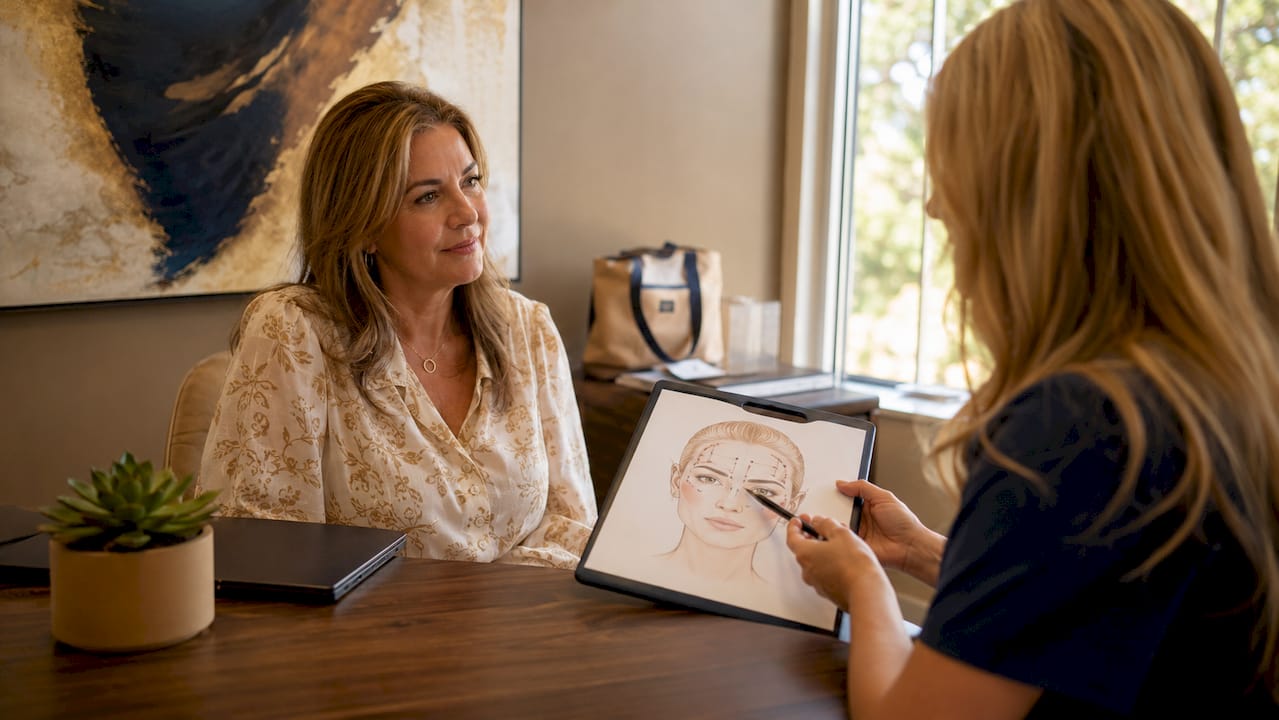
What I have found over nine years of practice is that the most effective way to minimise side effects is a thorough consultation before a single unit is injected. Understanding your anatomy, your muscle strength, your history with bruising, and your expectations allows me to personalise the dose and placement for your face, not a template. The long-term safety of Botox is well-supported by research when treatments are performed correctly and consistently.
My advice: ask your injector where they trained, what products they use, and how they handle complications. A confident, transparent answer tells you everything you need to know.
— Felix
Safe, personalised Botox at Beauty Shot Medical Clinic
At Beautyshotmedicalclinic, every Botox treatment is performed by Irene Soni, R.N., BScN, an advanced cosmetic nurse injector with over nine years of experience and training through Allergan, Teoxane Academy, and Dr. Martins Training Center Canada. The clinic is located in Woodbridge, Vaughan, Ontario, and takes a personalised approach to every patient, starting with a thorough consultation to assess your anatomy, goals, and health history before any product is used.
If you are ready to understand your Botox treatment journey from start to finish, or want to learn more about how Botox works at a cellular level, Beautyshotmedicalclinic has the resources to help you feel fully prepared. Reach out to book a consultation and take the first step toward a refreshed, natural result you can feel confident about.
FAQ
What are the most common Botox injection side effects?
The most common Botox injection side effects are localised redness, swelling, tenderness, and bruising at the injection site, along with mild headaches in up to 15% of patients. These reactions are temporary and typically resolve within one to 14 days.
How long do Botox side effects last?
Most mild side effects such as redness and swelling resolve within 24 to 48 hours, while bruising can take up to two weeks to fully clear. Moderate effects like temporary muscle weakness or eyelid drooping resolve as the Botox metabolises over three to four months.
What are the rare but serious Botox complications to watch for?
Rare but serious complications include distant toxin spread causing difficulty swallowing, breathing problems, or widespread muscle weakness, as well as delayed immune reactions like serum sickness. These risks are significantly higher with counterfeit products or unlicensed injectors, according to the CDC.
Can Botox cause permanent side effects?
Botox does not cause permanent side effects because the neurotoxin’s action fades as nerve endings naturally regenerate, typically within three to four months. Every side effect, including eyelid drooping and facial asymmetry, resolves within this window.
How do I reduce my risk of Botox side effects?
Choose a licensed, medically trained injector who uses Health Canada-approved products like Allergan Botox or Dysport, and avoid blood-thinning supplements for several days before your appointment. Following your provider’s post-treatment care instructions, including applying ice and avoiding rubbing the treated area, further reduces bruising and the risk of toxin spread.
Recommended
- BOTOX Uncovered: Is It Safe Long-Term and What Side Effects Should You Know? – Beauty Shot | Botox Fillers Woodbridge Vaughan
- The Safety of Botox: What Research Tells Us – Beauty Shot | Botox Fillers Woodbridge Vaughan
- How Soon Will I See Results After a Botox Treatment? – Beauty Shot | Botox Fillers Woodbridge Vaughan
- Finding a Botox Specialist: Questions to Ask During Consultation – Beauty Shot | Botox Fillers Woodbridge Vaughan