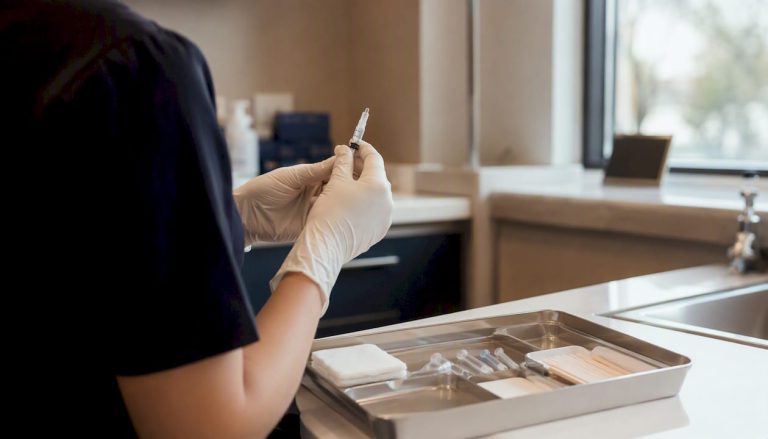

Lip filler techniques are specialised injection methods used to safely enhance lip volume, shape, and definition using hyaluronic acid (HA) fillers. The industry term for this category of treatment is lip augmentation, and the specific approach your injector chooses matters just as much as the product itself. HA fillers last 6 to 18 months and are fully reversible with hyaluronidase enzyme, which makes them the gold standard for anyone exploring lip enhancement for the first time. At Beautyshotmedicalclinic in Woodbridge, Vaughan, every lip treatment begins with a thorough assessment of your anatomy, lip shape, and personal goals before a single injection is placed. Understanding the different types of lip filler techniques helps you walk into that consultation with confidence.
1. Classic linear threading: the most widely used lip filler technique
The classic linear threading technique is the most established approach in lip augmentation, and it remains the go-to method for natural, balanced volume. The injector passes a fine needle horizontally along the vermilion border or body of the lip, depositing 0.1 to 0.2 mL small boluses of hyaluronic acid filler in a smooth, even line. Because the needle travels parallel to the capillaries rather than across them, this method carries a lower risk of bruising compared to techniques that require multiple puncture points.
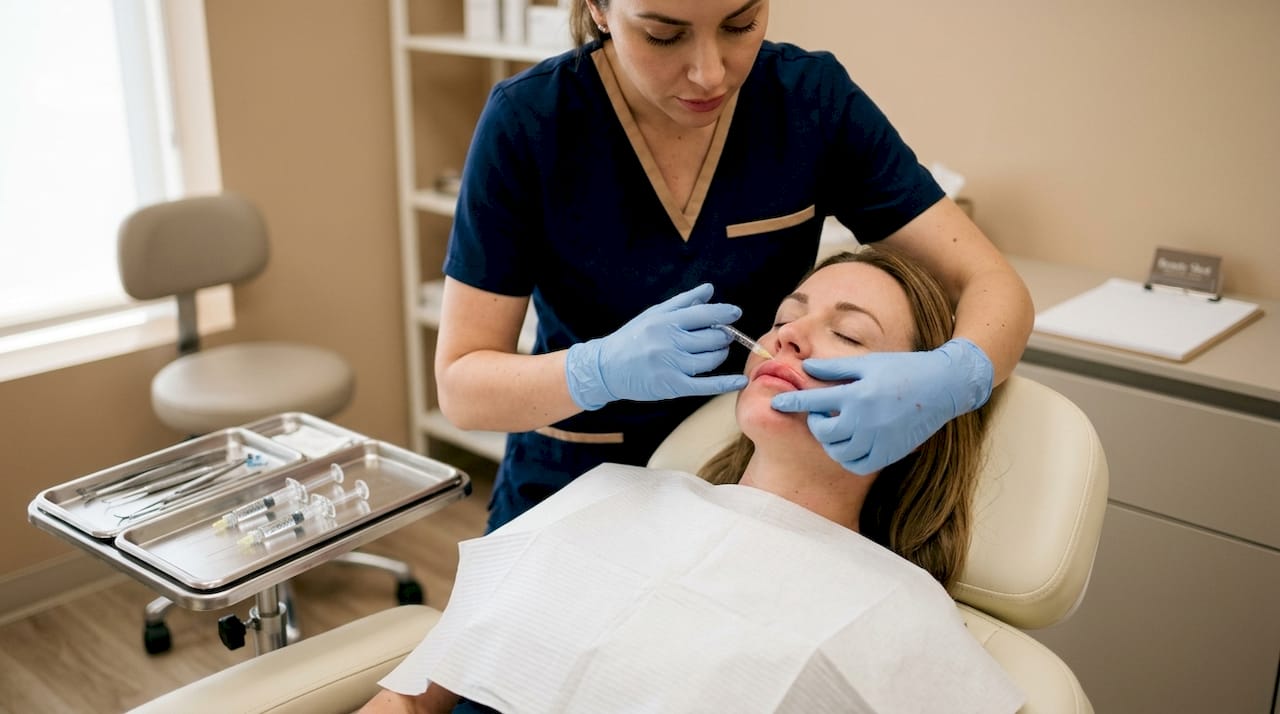
Classic threading typically uses 1 to 2 mL of filler across both lips, producing a soft, rounded fullness that looks natural at rest and in motion. It suits patients who want more volume without dramatically changing their lip shape.
Pros and cons at a glance:
- Pros: Even volume distribution, lower bruising risk, predictable results, suitable for most lip shapes
- Cons: Does not create significant vertical height or a pronounced cupid’s bow lift
- Recovery: Swelling typically resolves in 2 to 5 days; bruising in 3 to 7 days
- Best for: First-time patients, thin lips needing general volume, patients wanting subtle enhancement
2. How the Russian lip technique differs from classic methods
The Russian lip technique is a vertical, fan-like injection method that focuses filler placement near the wet-dry border of the lip, building height and projection rather than outward volume. Instead of threading horizontally, the injector places multiple small deposits in a vertical direction, working from the base of the lip upward. The result is a taller, more defined lip with a lifted cupid’s bow and a heart-shaped appearance, without the lip projecting forward as much as with classic threading.
Russian technique uses 0.5 to 1 mL of filler and requires more injection points than classic threading. This is why it carries a higher complication risk. Multiple punctures near the wet line increase the chance of vascular injury, bruising, and uneven product placement if the injector is not highly experienced in facial anatomy. You can read more about what Russian lip fillers involve before deciding if this approach suits your goals.
Classic vs. Russian technique comparison:
| Feature | Classic threading | Russian technique |
|---|---|---|
| Injection direction | Horizontal | Vertical |
| Typical volume | 1 to 2 mL | 0.5 to 1 mL |
| Primary effect | Rounded fullness | Height and cupid’s bow lift |
| Bruising risk | Lower | Higher |
| Best candidate | Most lip shapes | Flatter lips wanting definition |
| Injector skill level needed | Intermediate | Advanced |
The Russian technique is not ideal for every patient. If your lips are already full or if you have a naturally prominent cupid’s bow, this method can create an unnatural appearance. Anatomy-based customisation is the deciding factor, not trend preference.
3. Advanced and hybrid lip filler techniques used by expert injectors
Advanced injectors rarely rely on a single technique. The most precise and natural-looking results come from combining cannula and needle methods to address different depths and areas of the lip simultaneously. A blunt-tipped cannula is used for deeper, broader volume placement with reduced vascular risk, while a fine needle handles precise superficial work along the vermilion border and cupid’s bow.
The 11-point injection technique is one of the most anatomically precise approaches available. It targets the philtrum columns, cupid’s bow, and specific points along both lips to optimise projection and symmetry while reducing the risk of hitting vascular structures. Studies from April 2026 support this method for producing safer, more natural aesthetic outcomes compared to freehand approaches.
Micro-droplet placement is another advanced method where tiny amounts of filler are deposited at multiple strategic points rather than in continuous threads. This technique suits patients who need subtle correction of asymmetry or want to refine the lip border without adding significant volume.
Pro Tip: Ask your injector whether they use a cannula, a needle, or both during your treatment. A practitioner who can explain why they choose each tool for specific areas of your lip demonstrates the anatomical knowledge that separates safe, skilled injectors from those following a one-size-fits-all approach.
4. How to choose the right lip filler technique for your goals
The best lip filler technique depends on your individual anatomy and goals, not on what is trending on social media. Choosing the right approach involves matching the injection method to your lip shape, the degree of enhancement you want, and the filler product that will behave best in your tissue.
Here is how to think through your options:
- If you want general volume with a natural look: Classic linear threading with Juvederm Volbella or Restylane Kysse suits most patients. Juvederm Volbella is preferred for subtle hydration and first-time treatments, lasting approximately 9 to 12 months. Restylane Kysse offers flexible, natural movement and lasts around 12 months, making it a strong choice for patients who want lips that feel soft and move naturally.
- If you want more definition and a lifted cupid’s bow: The Russian technique or a hybrid approach may be appropriate, but only if your anatomy supports it and your injector has advanced training.
- If you want subtle asymmetry correction: Micro-droplet placement or the 11-point technique allows precise, targeted refinement without over-volumising.
- If you are a first-time patient: Start conservatively. You can always add more filler at a follow-up appointment. Starting with less protects you from results you are not ready for.
You can also explore a detailed filler selection guide to compare your options before your consultation. Recovery expectations and lifestyle also matter. Patients with active social schedules may prefer techniques with lower bruising risk, which points toward classic threading over Russian methods.
5. What to expect during recovery after lip filler treatment
Recovery after lip filler is straightforward for most patients, but the technique used does affect how your lips heal. Swelling typically lasts 2 to 5 days and bruising 3 to 7 days regardless of the method, though Russian technique and multi-point approaches tend to produce more initial swelling due to the higher number of injection sites.
Here is a practical recovery timeline:
- Day 1 to 2: Expect noticeable swelling and possible tenderness. Your lips will look larger than the final result. Avoid strenuous exercise, alcohol, and heat exposure.
- Day 3 to 5: Swelling begins to settle. Bruising, if present, peaks around day 3 and then fades. Cold compresses applied gently can help.
- Day 7 to 10: Most patients see their true result by this point. Asymmetry that concerned you in the first few days often resolves as swelling clears.
- Day 14: A follow-up appointment is recommended to assess the result and address any minor touch-ups.
For detailed guidance on managing post-treatment swelling, the swelling reduction tips from Beautyshotmedicalclinic cover practical steps you can take at home. Contact your injector immediately if you experience blanching of the skin, severe pain, or any change in skin colour around the injection site, as these can signal a vascular event requiring urgent attention.
Pro Tip: Sleep with your head slightly elevated on the first night after treatment. This simple step reduces fluid pooling in the lips and can noticeably decrease morning swelling.
Key takeaways
The right lip filler technique is determined by your anatomy, your aesthetic goals, and your injector’s clinical skill, not by trend or brand alone.
| Point | Details |
|---|---|
| Classic threading suits most patients | Horizontal HA deposits produce even, natural volume with low bruising risk. |
| Russian technique requires advanced skill | Vertical injections near the wet line carry higher vascular risk and suit specific anatomy. |
| Hybrid methods offer the best precision | Combining cannula and needle tools produces safer, more natural outcomes. |
| Filler product choice matters | Restylane Kysse and Juvederm Volbella behave differently and suit different goals. |
| HA fillers are reversible | Hyaluronidase can dissolve HA filler safely, giving first-time patients peace of mind. |
What I have learned about choosing lip techniques after nine years of injecting
I have seen the full cycle of lip filler trends, from the heavy, projected looks of a decade ago to the current obsession with Russian lips. Here is my honest perspective: the technique that photographs well on someone else may not suit your face at all.
The most common mistake I see is patients requesting a specific technique by name because they saw it on social media, without understanding whether their anatomy actually supports it. Russian lips, for example, look striking on patients with naturally flat lips and a less defined cupid’s bow. On someone who already has good lip height and projection, the same technique can create an unnatural, shelf-like appearance that no amount of dissolving will fix quickly.
What I prioritise in every consultation is the conversation before the syringe. I look at your lip-to-face ratio, your philtrum length, your natural cupid’s bow, and how your lips move when you speak and smile. That assessment tells me far more about which technique will serve you than any trend does. I also believe strongly in starting conservatively, particularly for patients who have never had filler before. HA fillers are reversible with hyaluronidase, and knowing that gives patients genuine peace of mind. But the goal is always to get it right the first time, not to rely on dissolving as a safety net.
The patients who leave my clinic happiest are not the ones who asked for the most dramatic result. They are the ones who trusted the process, started with a realistic volume, and came back for a refinement once they saw how their lips settled. That approach, grounded in anatomy and patience, is what produces lips that look like yours, only better.
— Felix
See real results at Beautyshotmedicalclinic
Beautyshotmedicalclinic in Woodbridge, Vaughan offers personalised lip filler consultations performed by an advanced cosmetic Registered Nurse with over nine years of clinical experience. Every treatment plan is built around your anatomy, your goals, and your comfort, using medical-grade hyaluronic acid fillers and techniques chosen for your specific lip shape. Whether you are considering classic threading, a hybrid approach, or want to understand whether the Russian technique suits you, the team at Beautyshotmedicalclinic will guide you through every option honestly and without pressure. Visit the before and after gallery to see real patient results, or explore the full range of dermal filler services to book your consultation today.
FAQ
What is the safest lip filler technique for first-time patients?
Classic linear threading is the safest starting point for most first-time patients because it uses fewer injection points and carries a lower bruising risk. Hyaluronic acid fillers used in this technique are also fully reversible with hyaluronidase if you are unhappy with the result.
How long does lip filler last regardless of technique?
Hyaluronic acid lip fillers last between 6 and 18 months depending on the product used and your individual metabolism. Juvederm Volbella typically lasts 9 to 12 months, while Restylane Kysse can last up to 12 months with good aftercare.
Is the Russian lip technique right for everyone?
No. The Russian technique suits patients with flatter lips who want more vertical height and a defined cupid’s bow. It carries a higher vascular risk due to multiple injection points near the wet line and requires an injector with advanced anatomical training.
How do I know which lip filler technique suits my anatomy?
A qualified injector will assess your lip shape, philtrum length, and facial proportions before recommending a technique. You can also review a filler types comparison to understand your options before your appointment.
Can different techniques be combined in one treatment?
Yes. Advanced injectors often combine cannula and needle methods, or blend classic threading with micro-droplet placement, to achieve precise, natural-looking results that a single technique alone cannot produce.
Recommended
- How to Choose the Right Lip Filler for Your Desired Look | Expert Filler Selection Guide – Beauty Shot | Botox Fillers Woodbridge Vaughan
- Comparing Different Types of Lip Fillers: Which Is Right for You? – Beauty Shot | Botox Fillers Woodbridge Vaughan
- What Are the Different Types of Lip Fillers? Pros & Cons Explained – Beauty Shot | Botox Fillers Woodbridge Vaughan
- What are lip fillers and how can they enhance lip shape and volume? – Beauty Shot | Botox Fillers Woodbridge Vaughan