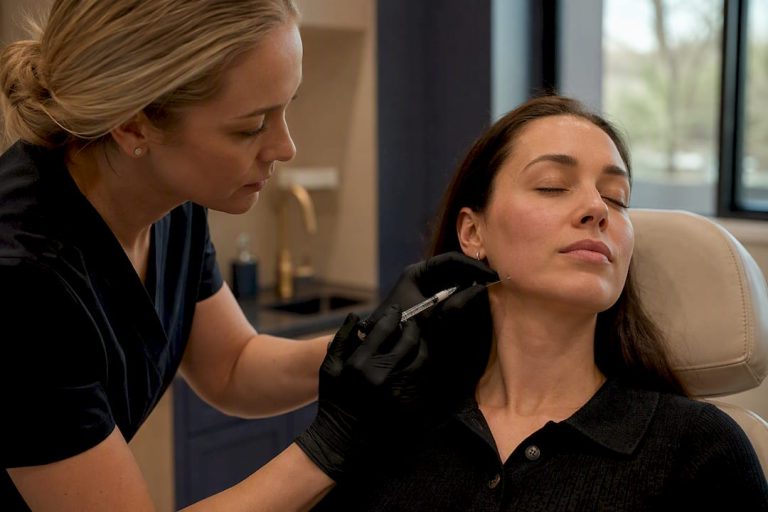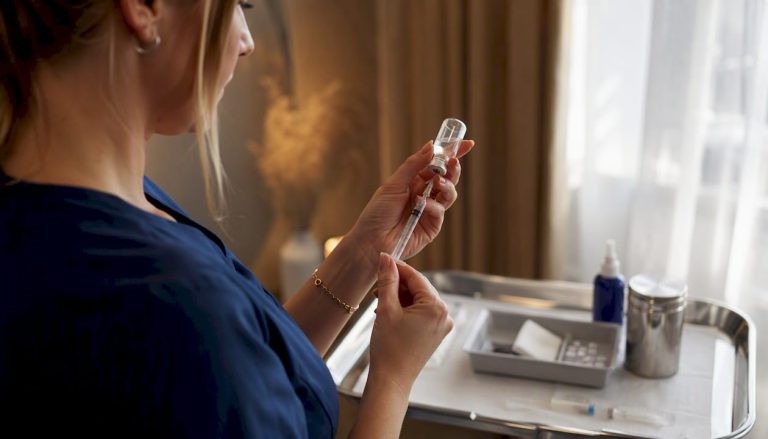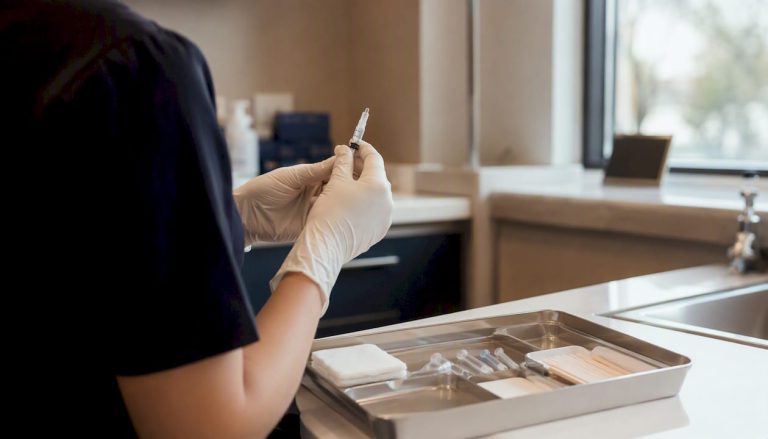
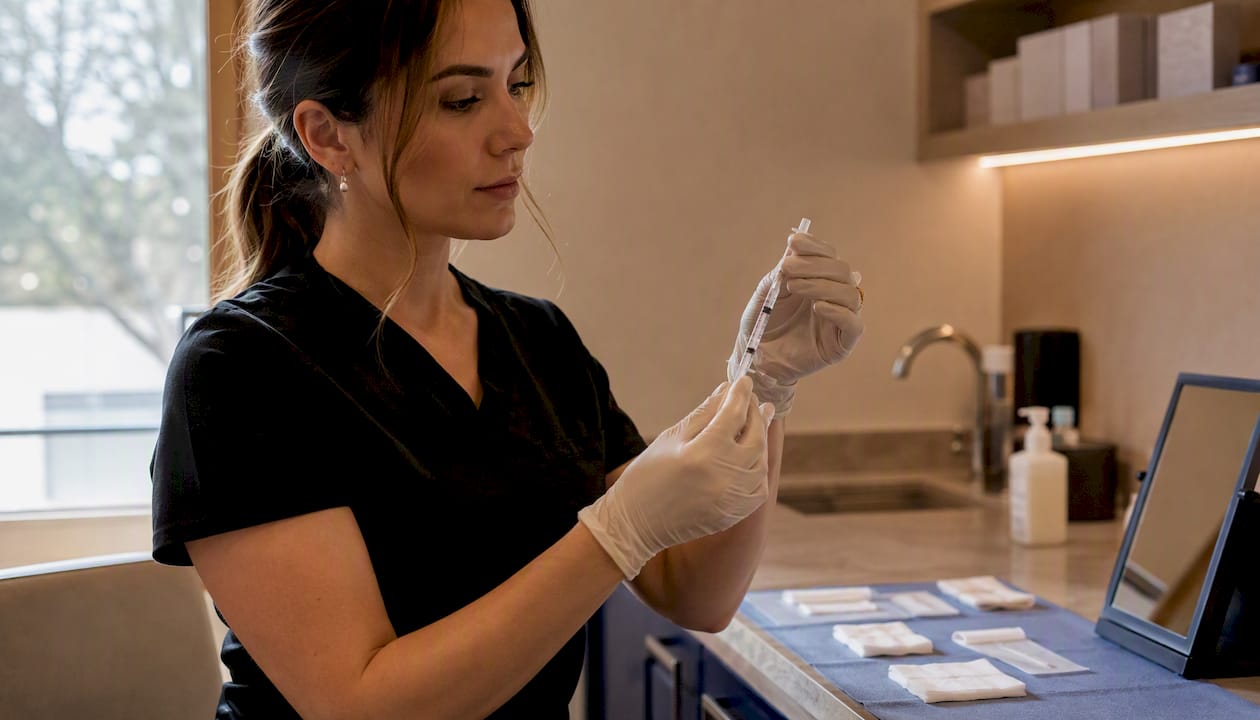
Fillers can meaningfully reduce marionette lines when the right product is placed at the right depth as part of a broader face-balancing plan. Hyaluronic acid (HA) fillers such as Juvéderm and Restylane are the most common starting point, offering immediate visible softening and the added reassurance of reversibility with hyaluronidase. Results typically last several months depending on the product, placement, and your anatomy. The single most important decision you will make is not which brand to choose — it is choosing a qualified, experienced injector who assesses your whole face rather than filling one crease in isolation. If you are ready to take that step, booking a personalised consultation is the clearest next move.
Key takeaways
Marionette line filler works best when it is part of a face-balancing plan, chosen by a qualified injector who assesses your full lower-face anatomy rather than treating one crease in isolation.
| Point | Details |
|---|---|
| Fillers do work | HA fillers, CaHA, and PLLA can all reduce marionette lines when placed correctly by a skilled injector. |
| Longevity varies by material | HA fillers typically last several months; CaHA often longer-lasting; PLLA results can persist two or more years. |
| Reversibility matters | HA fillers can be dissolved with hyaluronidase — a key safety advantage for peri-oral work. |
| Face balancing produces better results | Treating cheeks, commissures, and the prejowl alongside the crease avoids an overfilled, unnatural look. |
| Beautyshotmedicalclinic | Offers personalised, nurse-led marionette line consultations in Woodbridge, Vaughan, with a staged, face-balancing approach. |
What exactly are marionette lines and how do they differ from other facial creases?
Marionette lines run vertically from the corners of your mouth (the oral commissures) down toward the jawline, creating a crease that can make the lower face look drawn or sad. The Cleveland Clinic describes them as folds that form when the skin and soft tissue below the commissure descend, leaving a visible groove between the cheek and the chin area.
They are often confused with two related features:
- Nasolabial folds run from the sides of the nose to the corners of the mouth. Marionette lines begin where nasolabial folds end, continuing downward past the commissure.
- Jowling refers to the descent of soft tissue along the jawline itself, which can deepen marionette lines but is a separate structural change.
In photos, look for a vertical shadow or groove that starts at the mouth corner and angles slightly toward the chin. Contributing factors include age-related volume loss, skin laxity, bone resorption in the lower jaw, genetics, and changes in dental support (tooth loss or bite changes can shift the soft tissue above).
What causes marionette lines and how do clinicians assess their severity?
Several processes converge to create these lines. Subcutaneous fat compartments in the lower face thin and descend with age. The underlying bone, particularly the mandible, resorbs over time, reducing the structural scaffold that holds soft tissue in place. Skin loses collagen and elastin, reducing its ability to recoil. Repeated muscle activity around the mouth and the gradual descent of the oral commissure compound the effect.
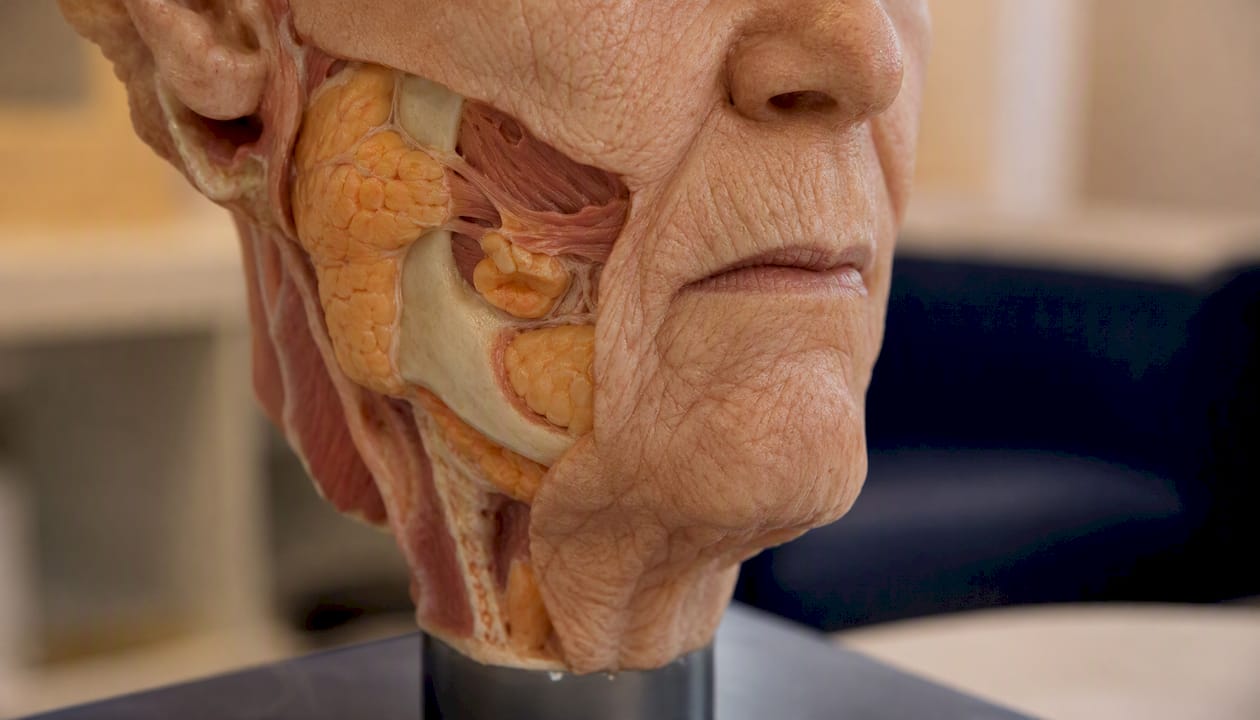
Clinicians typically think in three severity tiers:
Mild: A faint shadow or early crease visible mainly in certain lighting or expressions. Skin quality is generally good. A small volume of low-to-medium viscosity HA filler, sometimes paired with cheek support, is usually sufficient.
Moderate: A defined crease present at rest, often accompanied by noticeable commissure descent and some midface volume loss. Treatment usually involves addressing both the marionette crease and the cheek or prejowl area to avoid creating unnatural tension at the mouth corner.
Severe: A deep fold with significant structural volume loss, possible jowling, and skin laxity that filler alone cannot fully correct. A staged approach, potentially combining volumisers, collagen stimulators, or energy-based skin tightening, gives more realistic outcomes than a single large-volume filler session.
During a consult, an experienced injector evaluates cheek projection, jawline definition, dental support, skin thickness, and the position of the commissure before recommending any product or volume.
What treatment options exist for reducing marionette lines?
Dermal fillers are the most widely used non-surgical option, but they are not the only one. Here is a practical overview:
- Hyaluronic acid fillers (Juvéderm, Restylane): Immediate results, adjustable, reversible. Best for mild to moderate lines.
- Calcium hydroxylapatite (Radiesse): Provides structural lift and stimulates collagen. Longer-lasting than most HA products; not reversible with hyaluronidase.
- Poly-L-lactic acid (Sculptra): A collagen stimulator rather than a direct volumiser. Results build gradually over several months and can last two or more years. Requires multiple sessions.
- Neuromodulators (Botox, Dysport): Used as an adjunct to relax the depressor anguli oris muscle, which pulls the commissure downward. Rarely effective alone for marionette lines but can enhance filler results.
- Thread lifts: Mechanical repositioning of descended tissue. Results vary and are typically shorter-lived than surgical options.
- Energy-based devices (radiofrequency, ultrasound): Address skin laxity rather than volume loss. Useful as an adjunct, especially for mild laxity in younger patients.
- Surgical options (lower face lift, fat grafting): Most durable correction for severe structural changes; appropriate when non-surgical options have reached their limit.
Pro Tip: Treating the marionette crease in isolation often creates a “pillow” effect at the mouth corner. Addressing cheek volume, the prejowl sulcus, and commissure support as part of a facial balancing plan typically produces a more natural, refreshed result.
How do dermal fillers actually work to soften these lines?
Fillers do not erase a skin crease the way a flat iron smooths fabric. They restore the volume and structural support underneath the skin, which lifts the tissue and reduces the shadow that creates the visible line. For marionette lines specifically, filler placed in the prejowl sulcus and along the commissure provides a foundation that gently elevates the descended corner of the mouth.
The three main material categories behave quite differently:
| Material | Examples available in Canada | Onset of results | Typical longevity | Reversible? |
|---|---|---|---|---|
| Hyaluronic acid (HA) | Juvéderm Voluma, Restylane Lyft | Immediate | several months | Yes, with hyaluronidase |
| Calcium hydroxylapatite (CaHA) | Radiesse | Immediate + gradual collagen stimulation | longer-lasting | No |
| Poly-L-lactic acid (PLLA) | Sculptra | Gradual (weeks to months) | Up to 2+ years | No |
The reversibility of HA fillers is particularly relevant for peri-oral work. The lower face has a dense vascular network, and the ability to dissolve an HA filler quickly with hyaluronidase is a meaningful safety advantage if a complication arises. Health Canada regulates all dermal fillers as Class III or IV medical devices, and product labelling must specify intended injection sites and depths — a detail worth confirming with your injector during consent.
For a deeper look at how dermal fillers work at the tissue level, the clinic’s guide covers the mechanism in plain language.
Which filler is right for your marionette lines?
The honest answer is: it depends on your anatomy, the severity of your lines, and what you are trying to achieve. Here is a practical framework to bring to your consult:
- Mild shadowing or early lines: A low-to-medium viscosity HA filler placed in the mid-to-deep dermis or superficial subcutis. Products like Restylane or Juvéderm Ultra are commonly used at this depth. The goal is subtle softening, not volume.
- Moderate lines with commissure descent: A medium-to-high G’ (elasticity) HA filler or CaHA (Radiesse) placed deeper to provide structural lift. Cheek support is often addressed in the same session to avoid pulling the commissure unnaturally.
- Severe structural volume loss: A staged approach using a volumiser for immediate support, followed by PLLA (Sculptra) sessions over several months to rebuild collagen. Skin tightening may be added if laxity is significant.
Examples of products available in Canada by category:
- HA fillers: Juvéderm Voluma, Juvéderm Ultra Plus, Restylane Lyft, Restylane Defyne
- CaHA: Radiesse
- PLLA: Sculptra
These are examples, not a ranked list. The right product for you depends on your tissue characteristics, not a brand preference.
Pro Tip: Ask your injector to explain the rheology (how the product behaves in tissue) and why they selected it for your specific anatomy. An injector who can answer that question clearly is one who understands the science behind the choice, not just the brand name.
What results can you realistically expect, and what should before-and-after photos show?
The timeline unfolds in stages, and understanding it prevents unnecessary worry in the first week.
- Immediately after treatment: You will see volume where the filler was placed, but also swelling and possibly some redness. The result looks more pronounced than the final outcome.
- 24–72 hours: Swelling peaks, then begins to resolve. Bruising, if present, is usually at its most visible during this window.
- 1–2 weeks: Swelling settles and the filler integrates with surrounding tissue. This is when you get a clearer picture of the actual result.
- 4–6 weeks: The durable result is established. For HA fillers, this is the appropriate time for a follow-up assessment and any touch-up if needed.
Longevity varies by material and patient. HA fillers in the marionette area often last several months; CaHA tends toward a longer duration; PLLA results can persist for an extended period with a proper series. Faster metabolism, frequent exercise, and placement depth all influence how quickly a product breaks down.
When reviewing before-and-after photos at a clinic, look for consistent lighting, consistent camera angle, and a neutral expression in both images. Photos taken at different angles or with different lighting can make results appear more dramatic than they are. The clinic gallery at Beautyshotmedicalclinic shows consistent clinical photography so you can assess results accurately.
What does marionette line filler cost in Canada, and how many visits will you need?
Canadian pricing for marionette line filler treatment varies considerably, and understanding the cost drivers helps you ask the right questions.
Key factors that influence cost:
- Clinic location and overhead: Urban clinics in major centres typically charge more than suburban or smaller-city practices.
- Injector credentials and experience: Advanced nurse injectors and physicians with specialised training command higher fees, and that premium is usually justified by lower complication rates and better outcomes.
- Product type: CaHA and PLLA products are generally priced higher per syringe than standard HA fillers.
- Number of syringes: Mild lines may need one syringe; moderate to severe presentations, or a full lower-face balancing plan, often require two or more.
- Combination treatments: Adding cheek filler, commissure support, or a neuromodulator in the same session increases the total cost but can reduce the number of separate visits.
- Follow-up and revision policies: Some clinics include a two-week follow-up in the quoted price; others charge separately for touch-ups.
Clinics may quote per syringe or as a package. Per-syringe pricing gives you flexibility but can make it harder to budget for a full treatment plan. Package pricing often reflects a realistic volume estimate for your presentation. Ask specifically: cost per syringe, expected total syringes for your case, retreatment interval, and what is included if you need a small touch-up at the follow-up visit.
What happens at your appointment, and how should you prepare?
Before you arrive
Avoid blood thinners (aspirin, ibuprofen, fish oil, vitamin E) for at least a week before your appointment if medically safe to do so, as these increase bruising risk. Skip alcohol for 24 hours beforehand. Arrive with a clean face and no makeup on the treatment area.
The appointment itself
- Consultation and assessment: Your injector reviews your medical history, discusses your goals, and assesses your facial anatomy. Consent forms and a treatment plan are reviewed and signed.
- Markings: The injector may mark injection points on your skin to guide precise placement.
- Topical anaesthesia: A numbing cream is applied and left for 15–20 minutes. Most HA and CaHA fillers also contain lidocaine, which reduces discomfort during injection.
- Injection: Using a needle or cannula (a blunt-tipped tube), the filler is placed at the planned depth. The injector may massage the area gently to distribute the product evenly.
- Immediate assessment: You and your injector review the result together. Minor adjustments can sometimes be made in the same session.
After your appointment
- Apply a cold pack (wrapped in cloth) to reduce swelling for the first few hours.
- Avoid strenuous exercise for 24–48 hours.
- Sleep with your head slightly elevated the first night if swelling is significant.
- Do not massage or press on the treated area for at least 24 hours unless instructed to.
- Skip saunas, steam rooms, and intense heat for 48 hours.
- Avoid alcohol for 24 hours post-treatment.
Emergency signs to watch for: Blanching (white or pale skin) at or near the injection site, severe pain disproportionate to the procedure, or a bluish discolouration of the skin can indicate vascular occlusion, a rare but serious complication. Contact your clinic immediately if you notice any of these signs. Do not wait to see if it resolves on its own.
What are the real risks, and how are they managed?
Honesty about risk is part of good care. Most people experience only minor, short-term reactions. Serious complications are rare but real, and knowing what to look for matters.
Common short-term reactions:
- Bruising at injection sites (resolves within 1–2 weeks)
- Swelling and tenderness (peaks at 24–72 hours, usually resolves within a week)
- Mild redness or firmness at the injection site
Rare but serious complications:
- Vascular occlusion: Filler inadvertently placed into or compressing a blood vessel, blocking circulation. This is the most time-sensitive complication. Immediate treatment with hyaluronidase (for HA fillers) and referral protocols are essential.
- Infection: Uncommon when sterile technique is used; treated with antibiotics and, if needed, drainage.
- Granuloma formation: A delayed inflammatory reaction to filler material, more common with non-HA products.
- Tyndall effect: A bluish discolouration from HA placed too superficially; correctable with hyaluronidase.
Ask at your consult: Does the clinic stock hyaluronidase on-site? What is the protocol if a vascular event occurs? A clinic that cannot answer these questions clearly is not the right environment for peri-oral filler work.
The Canadian Practice Standards and Guidelines for Nurses Practicing in Medical Aesthetics from CSASN require that practitioners follow documented complication protocols and maintain the skills to manage adverse events. Confirming that your injector meets these standards is a reasonable and important question to ask. For a thorough overview of dermal filler safety and side effects, the clinic’s resource covers what to watch for in plain terms.
How do you choose a qualified injector in Canada?
Credentials and training vary widely in the Canadian aesthetics industry, and not every province has identical regulations. The College of Nurses of Ontario classifies many injectable procedures as controlled acts requiring specific authorisation and documentation. The CPSBC practice standard requires that injectors have completed relevant medical education and be available for consultation throughout the procedure. Dental providers in Canada who offer facial aesthetic therapies must meet specific CDSA training streams before performing these procedures.
Practitioner checklist:
- Licensed healthcare professional (RN, NP, MD, or dentist with appropriate scope)
- Documented advanced injectable training beyond basic certification
- Clinic uses sterile, single-use products from licensed Canadian suppliers
- Hyaluronidase stocked on-site for HA filler emergencies
- Clear informed consent process with written documentation
- Before-and-after gallery with consistent clinical photography
- Transparent pricing and a defined follow-up policy
Ten questions to ask at your consult:
- What is your professional licence and scope of practice for injectables?
- What advanced training have you completed specifically for facial fillers?
- Which product are you recommending for me, and why?
- Do you stock hyaluronidase on-site?
- What is your protocol if a vascular complication occurs?
- Can I see before-and-after photos of patients with a similar presentation to mine?
- How many syringes do you expect I will need, and why?
- What does the quoted price include, and is the follow-up appointment covered?
- How long do you expect results to last for my anatomy?
- What are the signs I should watch for after treatment and when should I call you?
Red flags to walk away from:
- Pressure to book immediately or “today only” pricing
- Injecting in a non-medical setting (a home, salon, or pop-up event)
- Unlicensed staff performing injections
- No consent process or written documentation
- Unwillingness to discuss complications or emergency protocols
The face-balancing approach at Beautyshotmedicalclinic
At Beautyshotmedicalclinic in Woodbridge, Vaughan, the approach to marionette line correction starts with a full lower-face assessment, not a product recommendation. The clinic’s philosophy, grounded in CSASN’s guidance on personalised, staged treatment planning, is that isolated crease filling rarely produces the most natural result. Cheek volume, jawline definition, commissure position, and skin quality are all evaluated before any product is selected.
The clinic’s approach includes:
- A personalised assessment of midface and lower-face anatomy before any product is chosen
- Conservative staging: starting with less and assessing at the two-week follow-up before adding volume
- A focus on natural, age-appropriate results — refreshed, not restructured
- Clear explanation of product choice, expected longevity, and what to watch for after treatment
Irene Soni, R.N., BScN, brings over nine years of advanced cosmetic nursing experience, a Sunnybrook Hospital Medical/ICU nursing background, and training through Allergan, Teoxane Academy, Clarion Medical, and Dr. Martins Training Center Canada. Her clinical background means she approaches every face with the same attention to anatomy and safety that informs her medical nursing practice. The clinic’s before-and-after gallery reflects that commitment to consistent, natural outcomes.
A note from Irene Soni, R.N.
The patients I see most often for marionette lines come in thinking they need a lot of filler. What they usually need is a thoughtful assessment. When I look at the lower face, I am not just looking at the crease — I am looking at where the volume has shifted, where the bone has changed, and what the skin quality tells me about what will hold well over time. That picture is different for every person, and it changes how I approach the treatment.
What I want every patient to leave with is a result that makes them look like themselves, only more rested. Not filled. Not tight. Just balanced. That means sometimes I recommend less than a patient expected, or I suggest we address the cheeks before we touch the marionette area at all. It is not about being conservative for its own sake — it is about getting the anatomy right so the result lasts and looks natural.
If you are considering treatment, the most useful thing you can do before your appointment is look at photos of yourself from a few years ago. Notice where the volume has shifted, not just where the lines are. That context helps us have a much more productive conversation at your consult.
Ready to book your marionette line consultation at Beautyshotmedicalclinic?
For adults in Woodbridge, Vaughan, and the surrounding area who want a clear, honest assessment of their options, Beautyshotmedicalclinic offers nurse-led dermal filler consultations focused on natural, face-balanced results. Irene Soni, R.N., BScN, brings over nine years of advanced cosmetic nursing experience and a medical background that puts patient safety first — not volume targets or upselling.
The clinic’s approach to marionette line correction is grounded in the subtle injectable philosophy that defines every treatment: assess the whole face, start conservatively, and build from there. You will leave your consult with a clear treatment plan, realistic expectations, and no pressure to book anything on the spot.
To schedule your consultation at the Woodbridge clinic, visit Beautyshotmedicalclinic or reach out directly through the clinic’s contact page.
This article provides general information only and is not a substitute for professional medical advice. Consult a qualified healthcare provider to discuss your individual circumstances and confirm current standards in your province.
Sources
The following authoritative resources support the clinical and regulatory information in this article:
- Canadian Practice Standards and Guidelines for Nurses Practicing in Medical Aesthetics
- Canada
- Injection of Botulinum Toxin, Dermal Fillers and Venous Sclerotherapy (CPSBC practice standard)
- Marionette lines: What they are, causes, filler, & … – Cleveland Clinic
- Practice guideline: Aesthetic services (CNO)
- CDSA standard of practice: Facial esthetic therapies (2026)
FAQ
Do fillers actually work for marionette lines?
Yes. Dermal fillers, particularly HA fillers and calcium hydroxylapatite, can visibly reduce marionette lines by restoring volume and lifting the oral commissure. Results are most natural when the injector addresses the broader lower-face anatomy rather than filling the crease alone.
How long do marionette line fillers last?
HA fillers typically last several months in the marionette area; calcium hydroxylapatite (Radiesse) often lasts a longer duration; poly-L-lactic acid (Sculptra) results can persist for an extended period with a proper treatment series.
How much does marionette line filler cost in Canada?
Cost depends on the clinic location, injector credentials, product type, and number of syringes needed. Ask your injector for a per-syringe price, an estimated total for your presentation, and whether the follow-up appointment is included in the quoted fee.
What is the best treatment for marionette lines in 2026?
For most adults, a personalised face-balancing plan using HA fillers or CaHA, combined with cheek and commissure support where needed, produces the most natural results. Beautyshotmedicalclinic’s nurse-led approach assesses the full lower face before recommending any product or volume.
Recommended
- How to prepare for your filler appointment: 2026 guide
- First filler treatment expectations: what you need to know
- How filler restores facial harmony: a 2026 guide
- How to Choose the Right Lip Filler for Your Desired Look | Expert Filler Selection Guide – Beauty Shot | Botox Fillers Woodbridge Vaughan