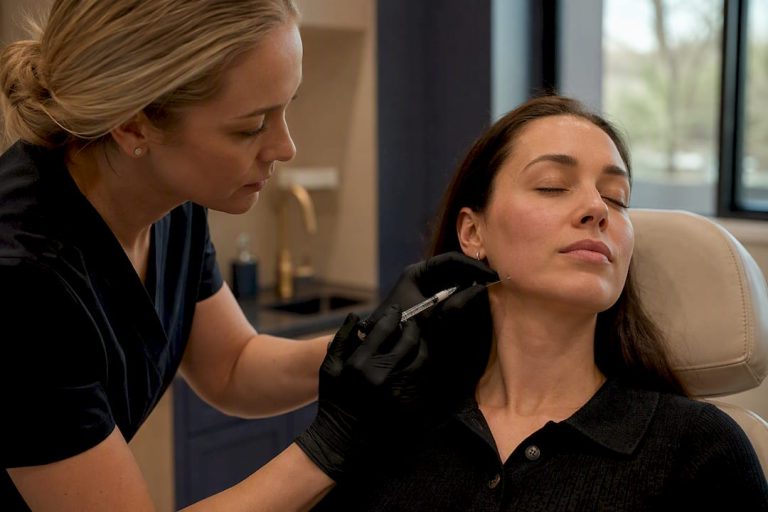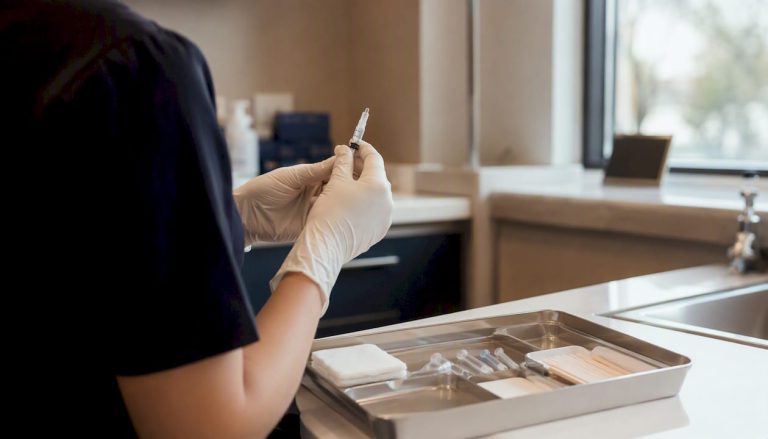

Dermal fillers are injectable medical devices used to restore volume, smooth lines, and enhance facial contours. First filler treatment expectations centre on understanding the full process: a consultation, a short injection appointment, a realistic recovery timeline, and results that look refreshed rather than dramatic. Health Canada classifies dermal fillers as medical devices, which means your choice of provider matters as much as the product itself. At Beautyshotmedicalclinic in Woodbridge, Vaughan, every filler treatment is performed by an advanced cosmetic Registered Nurse with clinical training in facial anatomy and complication management.
1. What happens during your first filler appointment
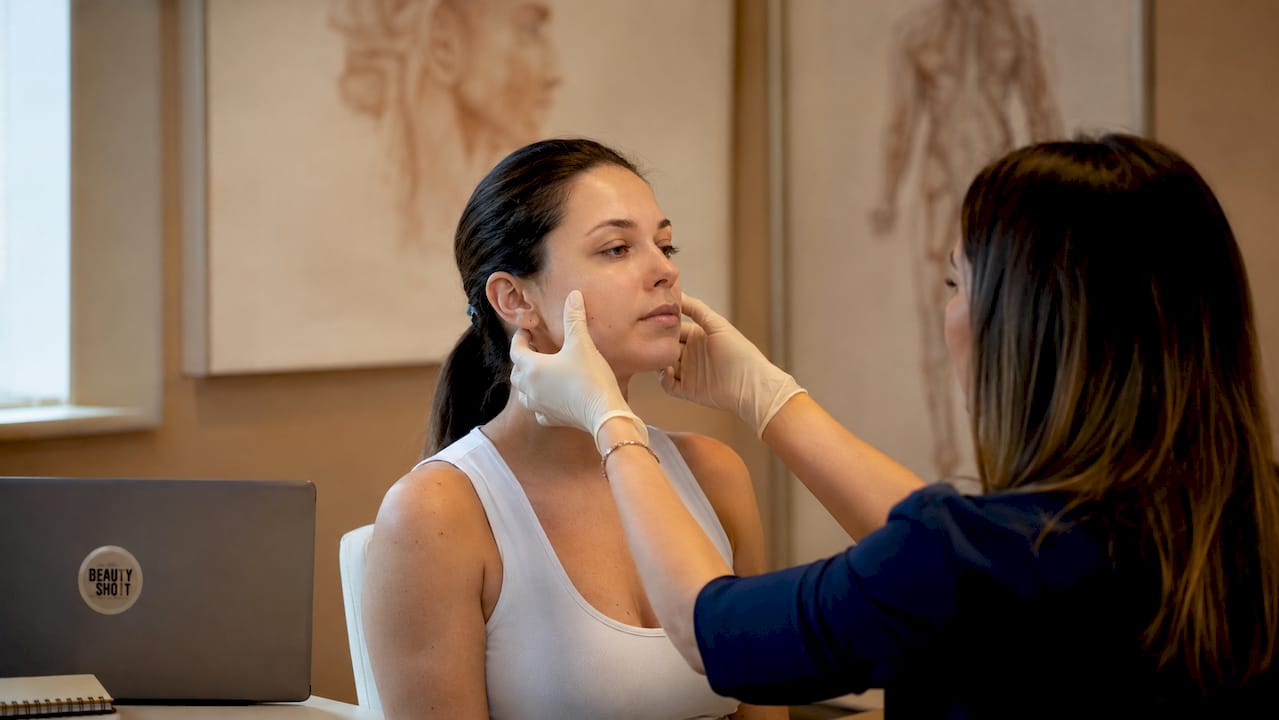
A first dermal filler appointment typically runs 60–90 minutes total, split between a 20–45 minute consultation and a 10–30 minute injection process. That time split matters because the consultation is not a formality. It is where your injector reviews your medical history, photographs your face for baseline records, and maps out a treatment plan specific to your anatomy.
Your injector will assess facial symmetry, skin quality, and the areas you want to address. This anatomical assessment guides product selection, injection depth, and volume. Skipping or rushing this step is a red flag.
Topical numbing cream is applied before injections begin. Most patients feel mild pressure or a brief sting at the injection site, but discomfort is generally well managed. The injection phase itself is short, often under 30 minutes for a single area.
Pro Tip: Arrive to your appointment with a clean face and no makeup. This saves time and gives your injector a clear view of your skin and facial structure from the start.
Before your appointment, avoid blood thinners such as fish oil, Vitamin E, and NSAIDs for 5–7 days, and skip alcohol for 24 hours prior. These steps reduce your risk of bruising significantly.
2. Timeline of results and what to expect after treatment
Swelling is the most common immediate effect after filler injections. It peaks within 24–48 hours and largely resolves within one week. Bruising, if it occurs, typically clears within 3–7 days. Your final result is assessed at the two-week mark, once all swelling has settled.
This timeline surprises many first-time patients. You may leave the clinic looking slightly puffy or uneven. That is normal. The product needs time to integrate with your tissue and for swelling to subside before you see the true outcome.
Here is a clear breakdown of what to expect day by day:
- Day 1: Swelling and possible redness at injection sites. Some firmness is normal.
- Days 2–3: Swelling peaks. Mild bruising may appear.
- Days 4–7: Swelling reduces. Bruising fades. Shape becomes more visible.
- Week 2: Final result is visible. This is the right time to assess and discuss any adjustments.
- Months 6–18: Longevity varies by product and treatment area. Lip fillers tend to last 6–12 months; cheek or jawline fillers can last 12–18 months or longer.
Pro Tip: Take a photo at your two-week mark and compare it to your pre-treatment photo. The difference is often more visible in photos than in the mirror.
One of the most reassuring facts for first-time patients: hyaluronic acid fillers are reversible using an enzyme called hyaluronidase. If you are unhappy with your results or experience a complication, the filler can be dissolved. This safety margin does not exist with non-reversible filler types such as calcium hydroxylapatite (CaHA) or polymethylmethacrylate (PMMA). For first-time patients, hyaluronic acid fillers are the standard starting point for exactly this reason.
| Timeline | What you experience |
|---|---|
| Immediately after | Mild swelling, redness, possible firmness |
| 24–48 hours | Swelling peaks, bruising may appear |
| 3–7 days | Bruising and swelling resolve |
| 2 weeks | Final result visible, ideal time for follow-up |
| 6–18 months | Gradual filler metabolism, touch-up may be needed |
3. Safety considerations and choosing the right provider
Dermal fillers carry real medical risks. The most serious is vascular occlusion, which occurs when filler is inadvertently injected into or compresses a blood vessel. 61% of vascular occlusion cases involve hyaluronic acid fillers, with the highest-risk zones being the glabella (between the brows), nose, and nasolabial folds. This is not a reason to avoid fillers. It is a reason to choose an injector with deep knowledge of facial vascular anatomy.
Health Canada regulates dermal fillers as medical devices, and injectors must have formal training in facial anatomy and complication management. In Ontario, the College of Physicians and Surgeons of Ontario (CPSO) amended its policy in 2025 to require physician assessment before delegating injections, with stricter on-site supervision rules expected in 2026. These regulatory changes reflect the medical seriousness of these treatments.
When choosing a provider, look for these qualities:
- Formal clinical training in facial anatomy and injectable techniques
- A clear, written treatment plan provided before any injection
- Emergency protocols and hyaluronidase on site
- No pressure to book immediately or prepay without a consultation
- A clinic that operates within a regulated medical environment
“The skill of your injector is the single most important factor in your safety and your result. A thorough anatomical assessment before every treatment is non-negotiable. At Beautyshotmedicalclinic, we never rush a consultation or skip the medical intake. Your face is unique, and your treatment plan should reflect that.”
Ethical clinics provide written treatment plans with product type, volume, and price outlined before any injection begins. Pressure tactics, vague pricing, or clinics that skip the consultation are red flags you should not ignore.
4. Tips for a smooth first filler experience
Preparation and aftercare directly affect your comfort and your results. These steps are not optional extras. They are part of the treatment itself.
Before your appointment:
- Stop fish oil, Vitamin E, and NSAIDs at least 5–7 days before treatment
- Avoid alcohol for 24 hours prior
- Stay well hydrated in the days leading up to your appointment
- Write down your goals and any concerns to discuss during your consultation
- Review the clinic’s before-and-after photos to calibrate your expectations
After your appointment:
- Apply ice packs for 15 minutes every hour during the first 12 hours to manage swelling
- Avoid exercise and heat for at least 24 hours post-treatment
- Do not massage or apply pressure to treated areas
- Skip saunas, hot yoga, and steam rooms for 48 hours
- Book your two-week follow-up before you leave the clinic
Pro Tip: Sleep on your back with your head slightly elevated for the first night. This reduces fluid pooling around the injection sites and keeps swelling to a minimum.
Managing your expectations is as important as any aftercare step. Natural, subtle enhancements that respect your facial balance are safer and more flattering than aggressive volumising. A good injector will guide you toward results that make you look like a refreshed version of yourself, not a different person. If a clinic promises dramatic transformation at your first appointment, that is a warning sign.
Communicate openly with your injector throughout the process. Tell them if you feel anxious, if something hurts more than expected, or if you have changed your mind about the volume or area. A patient-centred injector welcomes that conversation.
Key takeaways
First filler treatment expectations are best managed by understanding the full medical process, from consultation through recovery, before you book your appointment.
| Point | Details |
|---|---|
| Appointment length | A first filler appointment runs 60–90 minutes, including consultation and injections. |
| Swelling timeline | Swelling peaks at 24–48 hours and resolves within one week; final results show at two weeks. |
| Reversibility matters | Hyaluronic acid fillers can be dissolved with hyaluronidase, making them the safest first choice. |
| Provider qualifications | Choose an injector with formal anatomy training, written treatment plans, and no pressure tactics. |
| Aftercare is medical | Avoiding heat, exercise, and pressure for 24 hours post-treatment protects your results and safety. |
What I have learned from guiding first-time filler patients
The question I hear most often before a first filler appointment is: “Will I look like myself?” My honest answer is yes, if the treatment is done correctly. The goal is never to change your face. It is to restore what time has quietly taken away, or to add a subtle balance that makes you feel more confident.
What I have observed over years of practice is that patients who come in with realistic expectations leave the most satisfied. They are not chasing a specific look from social media. They are looking to feel refreshed. That mindset makes the entire experience better, from the consultation through to the two-week follow-up.
The patients who struggle are often those who have been rushed through a booking without a proper consultation, or who chose a provider based on price alone. Filler is a medical procedure. The product cost is only one part of the equation. The injector’s training, their knowledge of your anatomy, and their willingness to say “not today” when something does not feel right, those qualities are what protect you.
I also want to be direct about subtlety. Overfilling is a real risk, and it is harder to correct than under-filling. Starting conservatively and building gradually over multiple appointments is the approach that produces the most natural, lasting results. If a clinic pushes you to use more volume than you are comfortable with at your first visit, trust your instincts and walk away.
You can explore the benefits of subtle injectables to understand why less is often more when it comes to long-term facial aesthetics.
— Felix
Beautyshotmedicalclinic: expert filler care in Woodbridge, Vaughan
Beautyshotmedicalclinic offers dermal filler treatments performed by Irene Soni, R.N., BScN, an advanced cosmetic Registered Nurse with over nine years of clinical experience. Every appointment begins with a thorough consultation, a personalised written treatment plan, and an honest conversation about what fillers can and cannot do for you. Hyaluronic acid fillers are used as the standard product, with hyaluronidase on site for safety. Follow-up appointments are built into the process, not treated as an afterthought. If you are ready to take the first step with a provider who prioritises your safety and natural-looking results, schedule your consultation at Beautyshotmedicalclinic today.
FAQ
How long does a first filler appointment take?
A first filler appointment typically takes 60–90 minutes, including a 20–45 minute consultation and a 10–30 minute injection process.
When will I see my final filler results?
Final results are visible at the two-week mark, once swelling has fully resolved. Bruising and initial swelling clear within the first 3–7 days.
Are dermal fillers reversible?
Hyaluronic acid fillers are reversible using hyaluronidase, an enzyme that dissolves the product. Non-reversible filler types such as CaHA and PMMA do not have this option.
What are the most serious risks of dermal fillers?
Vascular occlusion is the most serious risk, occurring when filler compresses or enters a blood vessel. Choosing an injector with formal training in facial vascular anatomy significantly reduces this risk.
How do I prepare for my first filler treatment?
Avoid blood thinners, fish oil, Vitamin E, and NSAIDs for 5–7 days before your appointment, and skip alcohol for 24 hours prior to reduce bruising and swelling.