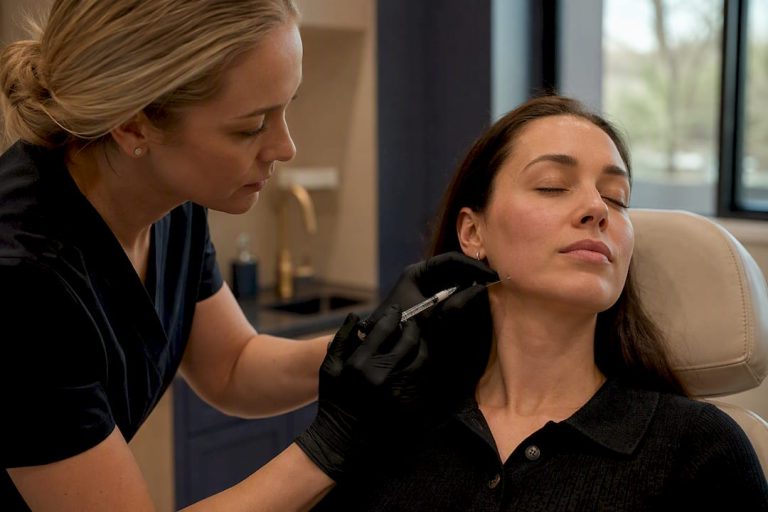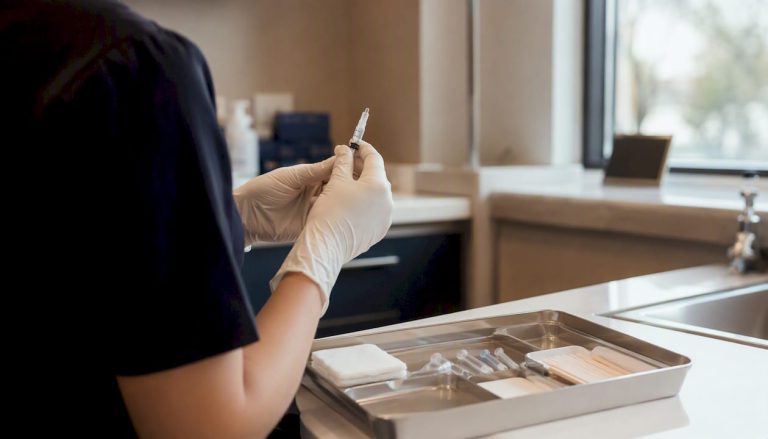

Before your first filler appointment, the six most important steps are: stop common blood-thinning over-the-counter medications and supplements (aspirin, ibuprofen, fish oil, vitamin E) well in advance; pause topical retinoids and acids a couple of days before; avoid waxing, tweezing, or hair removal on the treatment area; hydrate well and eat a light meal the day of; arrive with a clean, makeup-free face and a current medication list; and disclose any cold-sore history or prescription anticoagulants to your injector. For a fuller breakdown of what to expect at your first filler treatment, read on.
Important: Never stop a prescribed anticoagulant before your appointment without written clearance from your prescribing clinician. Always follow your injector’s written pre-treatment instructions, which take priority over any general guidance.
Key takeaways
Preparing your skin and body correctly before your first filler session reduces bruising, lowers infection risk, and gives your injector the best conditions to achieve natural, lasting results.
| Point | Details |
|---|---|
| Pause blood-thinning supplements | Stop aspirin, NSAIDs, fish oil, and vitamin E well in advance to reduce bruising risk. |
| Stop harsh topicals two days before | Pause retinoids, glycolic acid, and AHAs/BHAs at least 48 hours prior to avoid skin sensitivity. |
| Never stop prescription anticoagulants alone | Always get written clearance from your prescribing clinician before changing any prescribed medication. |
| Postpone for active skin conditions | Reschedule if you have a cold sore, sunburn, active infection, or dermatitis in the treatment area. |
| Beautyshotmedicalclinic | All fillers at Beauty Shot Medical Clinic in Woodbridge, Vaughan are performed by an advanced cosmetic R.N. with a personalised pre-treatment plan. |
How to prepare your skin before your first filler session: a week-by-week timeline
Planning your skin care routine before injections is much easier when you have a clear schedule. The table below maps out what to do and what to avoid at each stage.
| Timeframe | What to do | What to avoid |
|---|---|---|
| 7–10 days before | Stop aspirin, ibuprofen, naproxen, fish oil, vitamin E, ginkgo, garlic supplements, St. John’s Wort | Do not stop prescription anticoagulants without prescriber clearance |
| 2 days before | Keep skin calm; gentle cleanse and moisturise only | Tretinoin, retinol, glycolic acid, salicylic acid, AHAs/BHAs, waxing, bleaching, tweezing |
| 24 hours before | Hydrate well; rest and keep stress low | Alcohol, strenuous exercise, new skincare products |
| Day of appointment | Eat a light meal; arrive makeup-free with medication list and ID | Caffeine in excess, arriving dehydrated or hungover |
Cerulean Medical Institute recommends scheduling your treatment at least two weeks before any major event, so that any minor bruising or swelling has time to fully settle. That single scheduling tip saves a lot of stress.
Which medications and supplements should you pause before fillers?
The pre-treatment “avoid” list exists primarily to reduce cosmetic bruising, not to prevent serious bleeding. Understanding that distinction helps you approach it calmly.
Common items to pause
- Aspirin and NSAIDs (ibuprofen/Advil, naproxen/Aleve): pause 7–10 days before
- Fish oil and omega-3 supplements: pause 7–10 days before
- Vitamin E supplements: pause 7–10 days before
- Ginkgo biloba, garlic supplements, St. John’s Wort: pause 7–10 days before
- Alcohol: limit 1–2 days before; avoid entirely in the 24 hours prior
For pain relief in the days leading up to your appointment, acetaminophen (Tylenol) is the safe alternative. It does not carry the same platelet-inhibiting effect as NSAIDs.
The Aesthetic Society advises patients to follow their provider’s specific instructions about stopping aspirin, NSAIDs, and certain supplements, and notes that antiviral prophylaxis may be recommended for patients with a history of cold sores.
Prescription anticoagulants: a critical exception
If you take warfarin, rivaroxaban, apixaban, or any other prescribed blood thinner, do not stop it on your own. AestheticMedGuide explains that prescribed anticoagulants should never be discontinued without a prescriber’s clearance, and that experienced injectors can adapt their technique when patients must remain on these medications.
Pro Tip: When patients need to stay on anticoagulants, skilled injectors often switch to a blunt-tip cannula and apply extended manual pressure after each pass. This significantly reduces bruising without requiring you to stop a medication that protects your health.
Which skincare products should you stop before your appointment?
Two days before your appointment, your skin care routine before injections should become as gentle as possible. The goal is to arrive with a calm, intact skin barrier, not a sensitised one.
Products to pause at least 48 hours before
Tretinoin (Retin-A), retinol, and all other topical retinoids thin the surface layer of skin and increase sensitivity. Weiler Plastic Surgery advises pausing these, along with glycolic acid, salicylic acid, and other AHAs and BHAs, at least two days before injections. Harsh physical scrubs fall into the same category.

Procedures to pause at least one week before
Chemical peels, microdermabrasion, and laser treatments create temporary micro-damage to the skin. Injecting into recently treated skin raises the risk of irritation, infection, and unpredictable outcomes. Give these at least a week of recovery time before your filler appointment.
A gentle pre-appointment routine
For the week leading up to your session, keep it simple: a mild cleanser, a fragrance-free moisturiser, and a broad-spectrum SPF 30+ sunscreen. That is genuinely all your skin needs. Thinner, irritated skin is more susceptible to infection at injection sites and may respond less predictably to product placement.
Hydration matters here too. Hyaluronic acid-based fillers attract and hold water, so arriving with well-hydrated skin supports both the treatment process and your results.
When should you postpone your filler appointment?
Some skin conditions make it medically necessary to reschedule. Injecting through compromised or infected skin carries real risks, and any reputable injector will ask you to wait.
Postpone your appointment if you have any of the following:
- An active cold sore (herpes labialis) or any open sore near the treatment area
- Impetigo, cellulitis, or any active bacterial skin infection
- Severe inflammatory acne or cystic breakouts in the treatment zone
- Sunburn or significant sun damage on the area to be treated
- Active eczema, contact dermatitis, or psoriasis flare in the treatment area
- A systemic illness with fever
Clinic pre-treatment guidance from ACPNY explicitly warns against treating sunburned skin and advises avoiding waxing, bleaching, or tweezing the treatment area before your appointment.
Cold sores: disclose and plan ahead
If you have a history of oral herpes, tell your injector before your appointment, not on the day. Lip filler in particular can trigger an outbreak. Your injector or family physician may recommend a short course of antiviral medication (such as valacyclovir) taken prophylactically before and after treatment. For more detail on how to prepare for lip fillers, including cold-sore protocols, that guide covers it thoroughly.

When to call your injector
Contact your clinic if you develop any new redness, warmth, swelling, or an open sore in the days before your appointment. It is always better to reschedule than to proceed on compromised skin.
What to bring and what to expect on the day of your appointment
Practical preparation on the day itself makes the whole experience calmer and more efficient.
Bring with you:
- Government-issued photo ID
- A current, complete medication list (including supplements)
- Any recent medical notes relevant to your treatment
- Reference photos of your treatment goals, if you have them
- Reading glasses if you need them for paperwork
Arrive with a clean face. No foundation, concealer, or any product on the areas being treated. Eat a light meal beforehand so your blood sugar is stable. Arriving hungry or dehydrated can make you feel lightheaded during or after the procedure.
At check-in, you will go through a medical history review, an informed-consent discussion, and pre-treatment photographs. Your injector will then cleanse the skin with an antiseptic solution before proceeding. This is also your moment to ask questions. Good ones to raise: What product are you using and why? What results are realistic for my anatomy? What are the possible side effects and how common are they? How long should results last?
For a clear sense of what injectables feel like during the appointment, that resource sets honest expectations for first-timers.
Immediate aftercare for the first 24–48 hours
The first two days after treatment are when you have the most influence over your recovery. A few straightforward steps make a real difference.
For the first 24–48 hours:
- Avoid heat sources: saunas, steam rooms, hot yoga, and hot showers
- Skip strenuous exercise for at least 24 hours
- Do not massage or press on the treated area
- Avoid alcohol, which can worsen swelling and bruising
- Sleep with your head slightly elevated (an extra pillow works well)
- Apply a clean, cold compress gently to reduce swelling if needed
Bruising and mild swelling are normal and typically resolve within a few days to a week. For detailed lip filler aftercare guidance, including a day-by-day healing timeline, that resource is worth bookmarking.
When to contact your injector urgently: Severe or worsening pain, skin that turns white or pale (blanching), numbness, a spreading rash, or any area of skin that feels cold and looks mottled are signs that require immediate attention. These can indicate vascular compromise, a rare but serious complication that needs prompt management. If you are ever unsure, call your clinic first.
Why these pre-treatment rules actually matter: the clinical reasoning
The preparation steps above are not arbitrary. They connect directly to how filler complications occur and how skilled injectors prevent them.
A peer-reviewed clinical review found that most dermal filler complications relate to sterility, product placement, volume, and injection technique. The review recommends aseptic technique, thorough knowledge of facial vascular anatomy, careful injection speed, and aspiration in certain areas as the primary safeguards. What this means for you as a patient: the injector’s training and technique carry the most weight, and your preparation supports that work by reducing variables like inflammation and bleeding tendency.
Facial vascular anatomy varies significantly from person to person. An injector who understands this variation, uses slow and deliberate delivery, and maintains a sterile field throughout is working with your preparation, not around it. Arriving with calm, non-irritated skin and a stable medication profile gives your injector the clearest possible canvas.
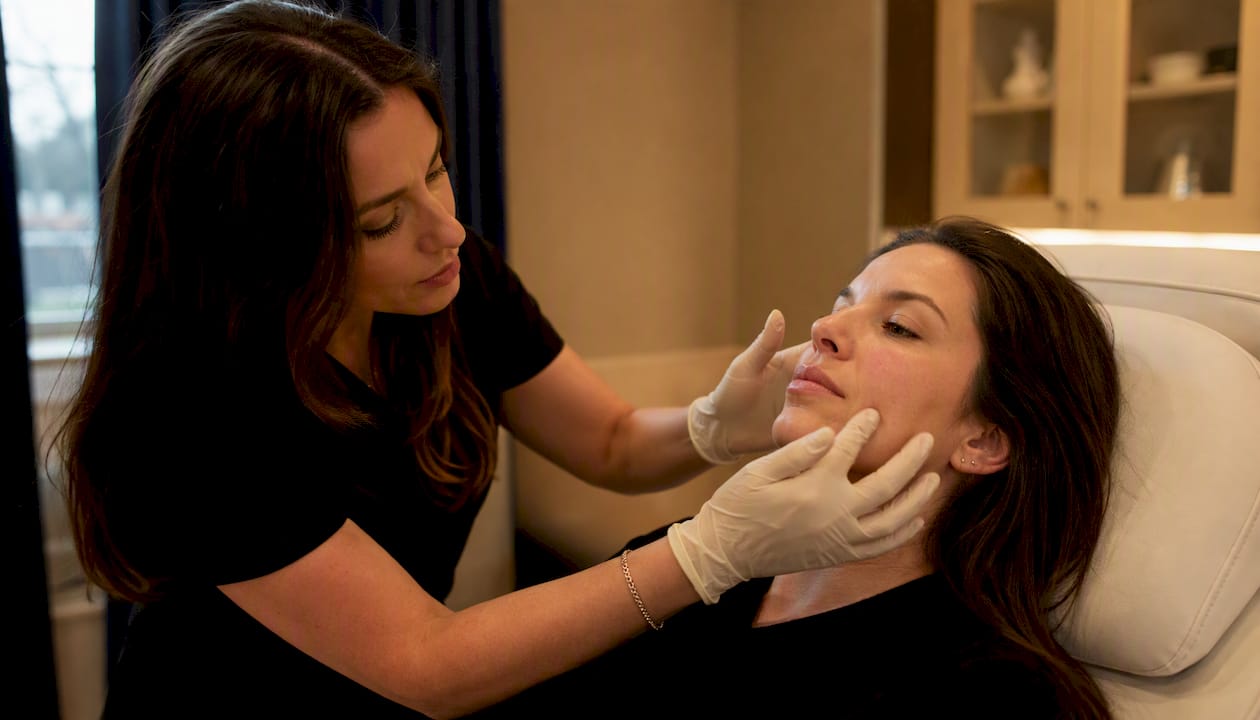
Pro Tip: During the safety check at the start of your appointment, an experienced injector will assess skin colour, capillary refill, and any signs of pre-existing vascular compromise in the treatment area. If anything looks off, a good injector will pause and reassess rather than proceed. That pause is a sign of skill, not hesitation.
For more on how dermal fillers work at a physiological level, that guide explains the mechanics clearly.
A note from Irene Soni, R.N., BScN
First-time patients often tell me they are nervous about getting something “wrong” before their appointment. The truth is, if you follow your injector’s written instructions, disclose your full medical history honestly, and arrive rested and hydrated, you have done your part well.
My approach at every consultation is to build a personalised plan around your anatomy and your goals, not a template. Natural-looking results come from understanding your face, not from following a formula. Please bring your questions, share any concerns about medications or past reactions, and tell me about any procedures you have had recently. That conversation is where safe, beautiful outcomes begin.
Ready to book your first filler session at Beauty Shot Medical Clinic?
At Beautyshotmedicalclinic in Woodbridge, Vaughan, every injectable treatment is performed by an advanced cosmetic Registered Nurse with 9+ years of clinical experience. That means your pre-treatment assessment, your consent discussion, and your injection technique are all guided by someone with the anatomy knowledge and medical background to keep you safe and deliver results that look like you, only refreshed.
When you book, ask for written pre-treatment instructions so you can follow the personalised checklist for your specific treatment. A brief pre-appointment phone check is also available if you have questions before you arrive.
Book your dermal filler consultation at Beauty Shot Medical Clinic and take the first step with a clinic that puts your safety and your natural results first.
Sources
The following sources informed the guidance in this article. They are provided for reference and do not replace personalised advice from your injector or prescribing clinician.
- Pmc
- Preparing your procedure · The Aesthetic Society
- Pre-treatment instructions for aesthetic services · ACPNY (PDF)
- Botox and Fillers: Blood Thinners, Supplements, and What to Stop Before Treatment · AestheticMedGuide
- How to prepare for your dermal filler treatment · Cerulean Medical Institute
- Do’s and don’ts before & after your filler treatment (updated…) · Weiler Plastic Surgery
This article is general information, not a substitute for advice from a qualified doctor. Consult a qualified healthcare professional about your own circumstances before acting on anything here.
FAQ
What should you avoid the day before fillers?
Avoid alcohol, strenuous exercise, and any new or active skincare products the day before your appointment. Keep your skin calm, stay well hydrated, and do not introduce anything that could irritate or sensitise the treatment area.
How do you prepare your skin for fillers?
Stop topical retinoids and acids at least 48 hours before, pause blood-thinning supplements 7–10 days ahead, avoid hair removal on the treatment area, and arrive with a clean, makeup-free face. Following your injector’s written pre-treatment instructions is the most reliable guide.
Is filler hard or lumpy at first?
Mild firmness or unevenness in the first few days is normal as the product settles and any swelling resolves. Most patients find this smooths out within one to two weeks; if firmness persists or feels unusual, contact your injector.
Does drinking water help fillers last longer?
Staying well hydrated supports skin health generally, and hyaluronic acid-based fillers do attract and hold water. While hydration alone does not extend the clinical lifespan of a filler, arriving well hydrated and maintaining good hydration afterwards supports the overall condition of your skin and the appearance of your results.
Recommended
- Steps to Schedule Your First Dermal Filler Appointment – Beauty Shot | Botox Fillers Woodbridge Vaughan
- First filler treatment expectations: what you need to know
- How to prepare for your filler appointment: 2026 guide
- What to Expect During Your First Lip Filler Appointment – Beauty Shot | Botox Fillers Woodbridge Vaughan