
Arnica is the most common thing patients ask about after filler, and the honest answer is this: it may be a pleasant extra, but it is not a proven bruise preventer, and it is not the thing that matters most. If you use it, use a Health Canada-licensed topical on intact skin, never on the injection site while it is still fresh, and tell your injector first. The steps that do change your bruising risk are simpler: what you avoid before your appointment, how you cool the area, and what you skip for the first 48 hours.
Below, we walk through what the research shows, how to use arnica safely if you want to, and the habits that make a measurable difference.
TL;DR
- Evidence for arnica preventing or reducing filler bruising is mixed and inconclusive, so treat it as optional, not essential.
- If you use it, choose a Canadian-licensed topical, keep it off open skin, mucous membranes and the eye area, and stop if you react.
- Check oral arnica and any supplement with your injector first, especially if you take blood thinners.
- Skipping blood-thinning products before your visit (as advised by your provider) and avoiding alcohol, hard workouts and heat afterwards matter more.
- Use cold in the first 48 hours; add warmth only after that window.
What arnica is, and why everyone mentions it
Arnica montana is a mountain plant in the daisy family. It has long been used in folk and homeopathic medicine for bruises and sore muscles, and it comes as gels, creams, balms, oral pellets and tablets. Because filler bruises are visible and unwelcome, it has become a default suggestion in aftercare lists, lip balms and social media posts.
That popularity is not the same as proof. When you see a product claim that arnica is “proven” to reduce swelling, ask what trial that claim rests on. In our experience at the clinic, patients often arrive having bought two or three arnica products and feeling anxious about whether they used them correctly. The reassuring news is that your result does not depend on them.
What the research actually shows
The evidence is thin and inconsistent. A systematic review of arnica and bromelain for post-procedure bruising and swelling found that the clinical trials gave inconsistent results. In one randomized trial of 64 participants, homeopathic arnica was compared with a placebo, and there was no significant difference in pain (P=0.79) or bruising (P=0.45) four days after the procedure.
A review on managing bruising after nonsurgical cosmetic treatment also notes that reports on arnica prophylaxis exist in the literature, but it puts more weight on practical measures. It cites some evidence that cooling the skin with a contact cooling device before injection reduces bruising by 60 to 88 percent. That is a much stronger signal than anything arnica has produced.
What this means for you:
- Arnica is not harmful for most people when used as labelled, but it is not a guarantee against bruising.
- Studies on homeopathic arnica are not the same as studies on strong topical extracts. Some small studies on topical arnica exist, and results vary by product, strength and procedure. We would not promise you an outcome from either.
- Most trials were not done on dermal filler patients. Many involved surgery, so the findings are an approximation of what you may experience.
Our view: if arnica gives you a sense of doing something helpful and you have no allergy, it is a reasonable, low-stakes addition. Just do not let it replace the habits below.
Using arnica safely in Canada
In Canada, arnica products are regulated as natural or homeopathic health products. As an example, Health Canada’s database lists Arnicare Gel as an active, marketed topical licence for helping the body reabsorb bruises and swelling caused by trauma or surgery. A licence means the product has been assessed for its stated use, not that it will work on your filler bruise. Look for a Drug Identification Number-HM (DIN-HM) or Natural Product Number on any arnica product you buy.
A few practical rules:
- Use the topical route. Gels and creams are the standard route. Follow the label for how often to apply.
- Keep it off open skin, mucous membranes and the eye area. This matters for lip filler and under-eye filler in particular. Do not put arnica gel inside the lip or on a puncture point that is still open. A lip balm product is different from a gel, so read its label.
- Wait until the skin has settled. Fresh injection sites should be left alone for the first hours. If you are unsure, ask us before you apply anything.
- Stop if you notice redness, itching or a rash. Arnica belongs to the daisy family (Asteraceae). If you react to daisies, ragweed or chamomile, skip it.
- Do not take oral arnica or any new supplement without checking. Health Canada’s guidance on cosmetic injections is a good place to start, and your injector should know about every pill, powder and herbal product you take, particularly if you use blood thinners or have an underlying condition.
“Natural” does not mean risk-free. The same review that discusses arnica stresses that it should be seen as a supportive option, not a medical guarantee.
Arnica before fillers: should you start early?
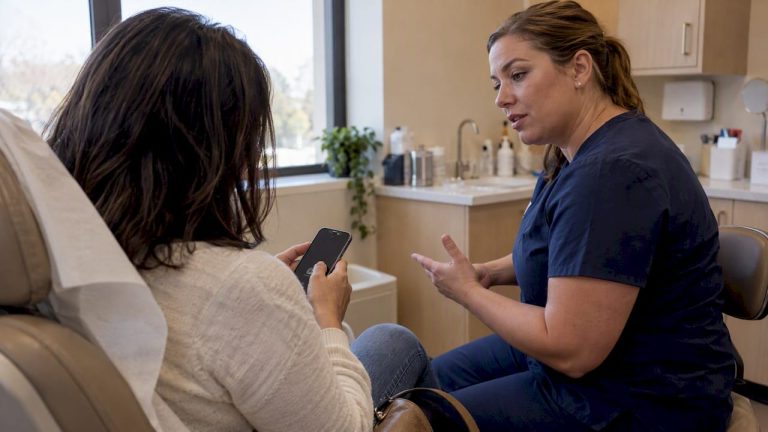
Many patients ask whether they should start arnica days before their appointment. There is no strong evidence that doing so prevents bruising, and starting an oral product without telling us is the part that concerns us. Some herbal and vitamin supplements can affect bleeding or interact with medications.
If you want to try it, tell us at your consultation and we will advise based on your health history and medications. If you take a prescribed blood thinner, do not stop it on your own: speak to the prescriber and to us.
What to avoid before fillers
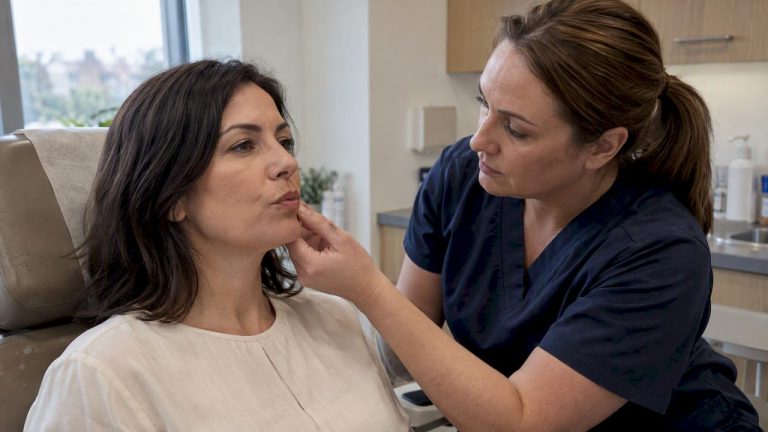
This is where you can genuinely reduce your risk. Bruising happens when a needle or cannula nicks a tiny vessel, and anything that thins the blood or widens vessels makes a visible mark more likely. Canadian guidance on cosmetic injections notes that blood-thinning agents such as aspirin and ibuprofen (Advil), and some supplements such as fish oil and vitamin E, should be discussed with your provider and avoided for several days before your appointment where it is safe to do so.
| Before your appointment | Why we ask | What to do |
|---|---|---|
| Aspirin, ibuprofen | Can increase bleeding at the injection site | Ask us and your doctor; never stop a prescribed medication on your own |
| Fish oil, vitamin E and similar supplements | May affect bleeding | Mention them at booking; we will tell you how long to pause |
| Alcohol the night before | Widens blood vessels | Skip it |
| Hard workout the same day | Raises blood pressure and circulation | Keep it light or move it to another day |
| Booking right before an event | Bruises can take days to fade | Leave at least two weeks before photos or a wedding |
If you need pain relief for a headache before your appointment, ask your pharmacist or doctor which option suits you. Do not assume a common over-the-counter product is safe to combine with your medications.
The first 48 hours: what helps most
The same Health Canada-referenced guidance and the bruising management review point in a consistent direction: lifestyle matters more than supplements.
Do
- Apply a clean cold pack, wrapped in cloth, to the area in short intervals during the first 48 hours. Cold narrows vessels and helps limit swelling.
- Keep your head slightly elevated when resting, especially after lip or under-eye treatment.
- Keep your hands off the area. Do not rub or massage unless we have told you to.
- Drink water and eat normally.
Avoid
- Alcohol, which can widen vessels. We explain the timing in our nurse’s alcohol-after-fillers guide.
- Strenuous exercise, saunas, hot tubs and hot yoga for the first 24 to 48 hours.
- Heat on the area too early. Warm compresses can help disperse a lingering bruise, but only after the first 48 hours. Applying heat sooner can make swelling worse.
If a bruise appears despite everything, it is common and temporary. Bruises from filler often fade over several days to a couple of weeks, depending on the area and your skin. Lips and under-eyes tend to look more dramatic because the skin is thin and vascular.
Can you put arnica on your lips after lip filler?
This is the question we hear most. A few points from our chair:
- Do not apply arnica gel inside the mouth or on broken skin. Gels are for intact skin only.
- An arnica lip balm is a different product. If you use one, wait until the skin is no longer raw, check that you are not allergic, and stop if it stings or swells. Many people simply prefer a plain, gentle lip balm.
- Avoid pressing or rubbing. The pressure of applying a product can matter as much as what is in it.
For day-by-day detail, see our guides on what happens right after lip filler, lip filler aftercare dos and don’ts, how to reduce lip swelling and how to sleep after lip filler.
Covering a bruise and when to call us
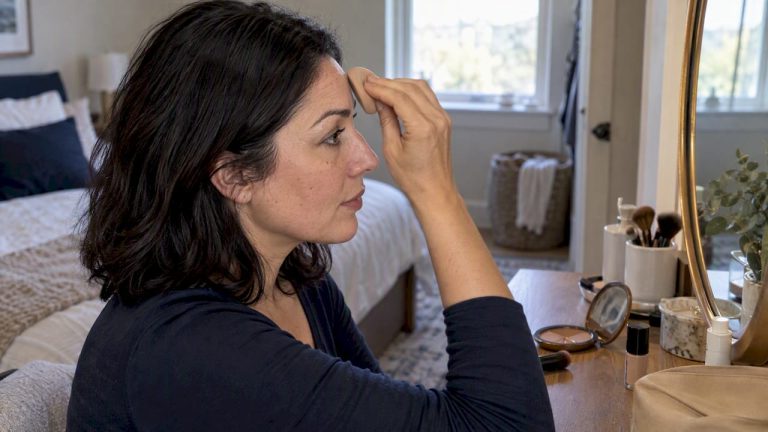
Once the skin is intact and the injection points have closed, many people use a colour-correcting concealer applied gently with a clean fingertip or sponge, with no rubbing. If the area is still tender, wait.
Most bruising and swelling is harmless. But some symptoms should never be waited out. Call us the same day, or seek urgent care if you cannot reach us, if you notice:
- Severe or increasing pain that is out of proportion to what you expected.
- Skin that turns white, grey, dusky or blotchy, or looks like a lace-like pattern.
- Changes in vision, or pain around the eye.
- Swelling that becomes hot, red and spreading, or comes with a fever.
- A bruise that keeps growing after the first few days.
These can signal a vascular problem or infection, and they need prompt assessment by a qualified professional. For a closer look at what is normal and what is not, read our lip filler bruising aftercare guide and, if you had treatment around the eyes, our page on under-eye filler swelling.
Our perspective: calm, honest, and practical
We do not sell arnica, and we do not need you to buy it. What we care about is that you look refreshed and still like yourself, and that you feel safe the whole way through.
Bruising is partly technique and partly biology. Every treatment at our clinic is performed by an advanced cosmetic Registered Nurse with more than nine years of injection experience, and a Sunnybrook Hospital Medical/ICU nursing background informs how carefully we review your health history. We plan your treatment around your anatomy, we go slowly, and we tell you plainly that no injector can promise a bruise-free result. Anyone who does is overselling.
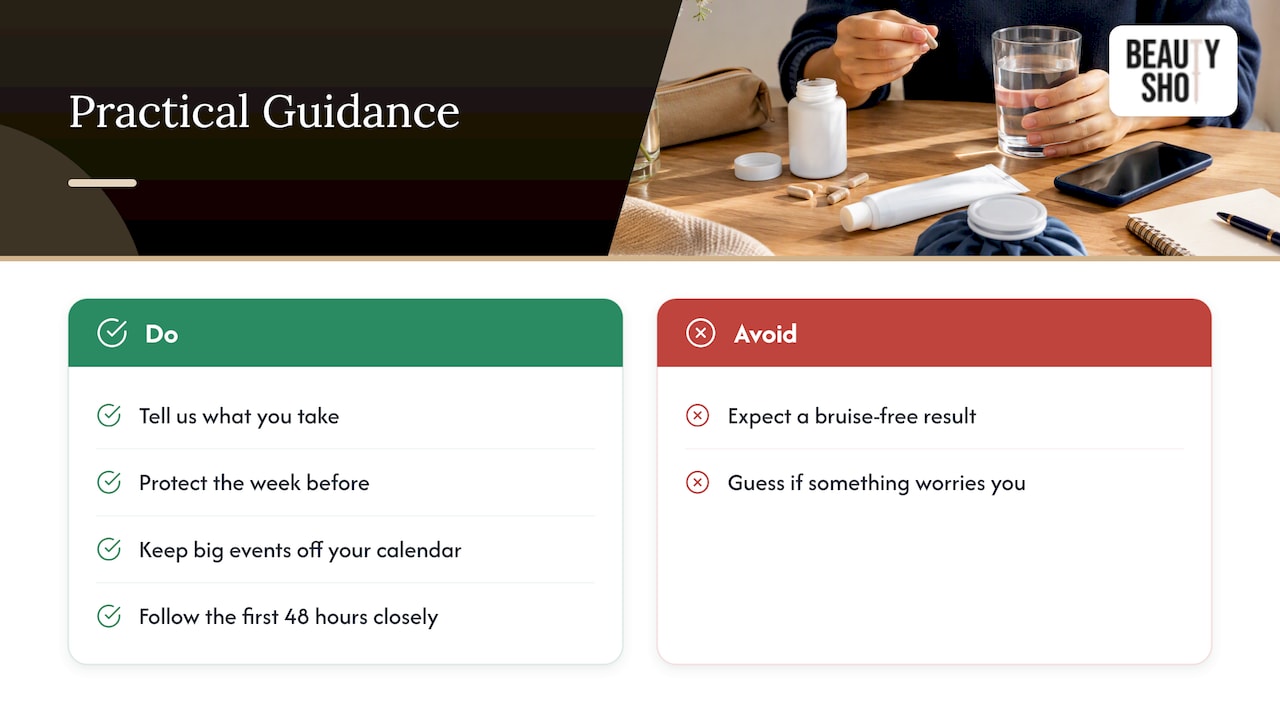
Our advice on arnica is the same we would give a friend: if it comforts you and you have no allergy, a licensed topical on intact skin is fine. But spend your effort where it counts. Tell us what you take, protect the week before your appointment, keep your calendar clear of big events, and follow the first 48 hours closely. If something worries you, message us rather than guessing.
— Felix
Planning your filler appointment in Woodbridge
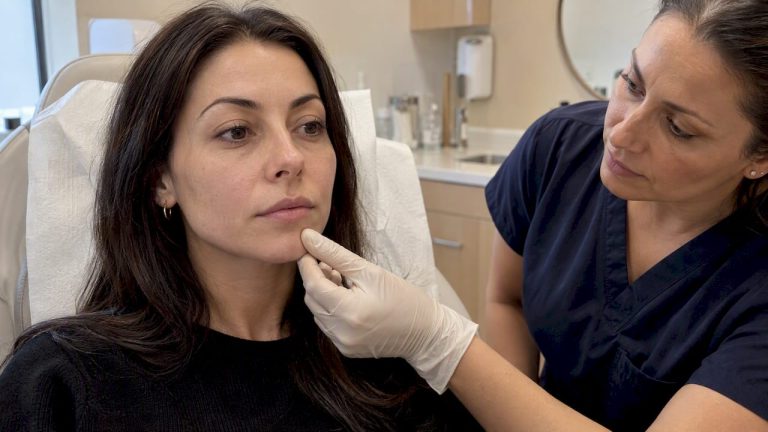
If you are considering treatment, the best time to ask about bruising is at your consultation, not after. We review your medications and supplements, discuss which areas are more bruise-prone, and set a timeline that suits your calendar. You can see the areas we treat on our dermal fillers page, including cheeks, temples, chin, jawline, lips, nasolabial folds, marionette lines and under-eye hollows. For a broader overview, how dermal fillers work is a good starting point.
When you are ready, you can book through our services page. We serve patients across Woodbridge, Vaughan, Maple, Kleinburg and Concord.
FAQ
Does arnica really prevent bruising after fillers?
The evidence says it is unproven. A systematic review found inconsistent results, and one randomized trial found no significant difference in bruising compared with a placebo. It is a low-risk option for many people, but it should not replace avoiding blood thinners before your visit and cooling the area afterward.
Is it safe to take arnica pills before fillers?
Talk to your injector before taking any oral supplement, even a natural one. This matters most if you take prescription blood thinners or have a health condition. Do not stop any prescribed medication without speaking to the prescriber.
When can I apply arnica gel after filler?
Wait until the injection points have closed and the skin is intact, and ask your injector if you are unsure. Use it only on the skin, following the product label, and never near the eyes, inside the mouth or on open skin. Stop if you notice redness, itching or a rash.
What should I avoid before fillers?
Ask your provider about aspirin, ibuprofen, fish oil and vitamin E in the days before your appointment, and skip alcohol the night before. Avoid scheduling treatment right before an important event. Never stop a prescribed medication on your own.
Should I use ice or heat on a filler bruise?
Use cold packs, wrapped in cloth, during the first 48 hours to help limit swelling. After that window, a warm compress can help a lingering bruise disperse. Heat applied too early can make swelling worse.
Sources
- Is there a role for arnica and bromelain in prevention of post-procedure ecchymosis or edema? A systematic review (SUNY Research Connect)
- The Management of Bruising following Nonsurgical Cosmetic Treatment (PMC)
- Arnicare Gel product information (Health Canada Licensed Natural Health Products Database)
- Cosmetic injections (Health Canada)