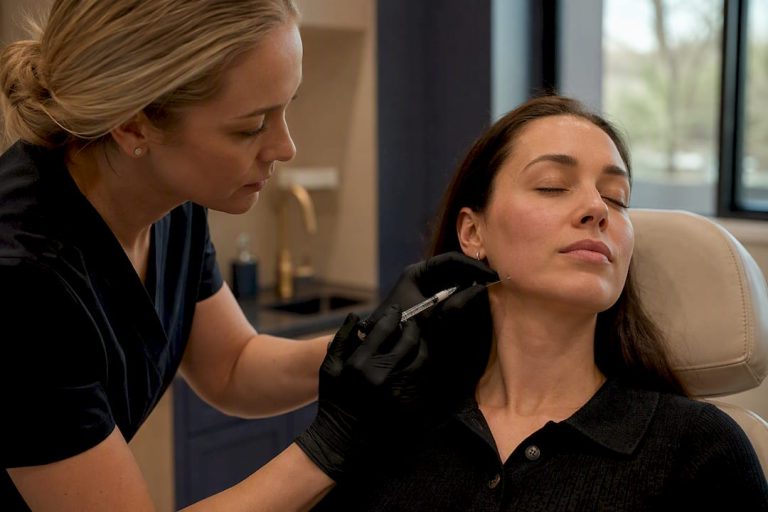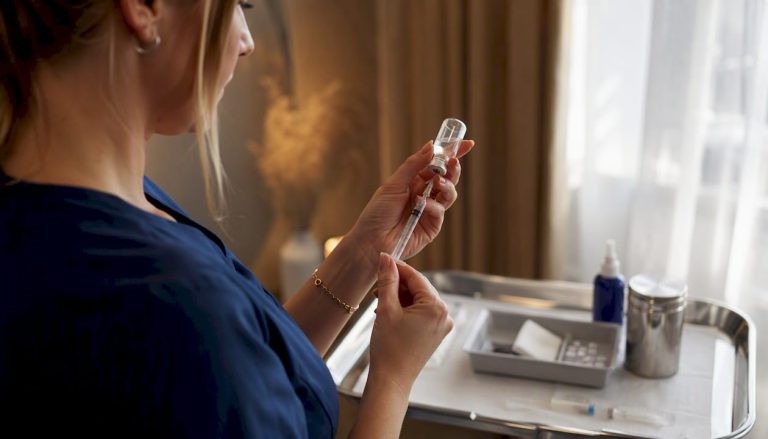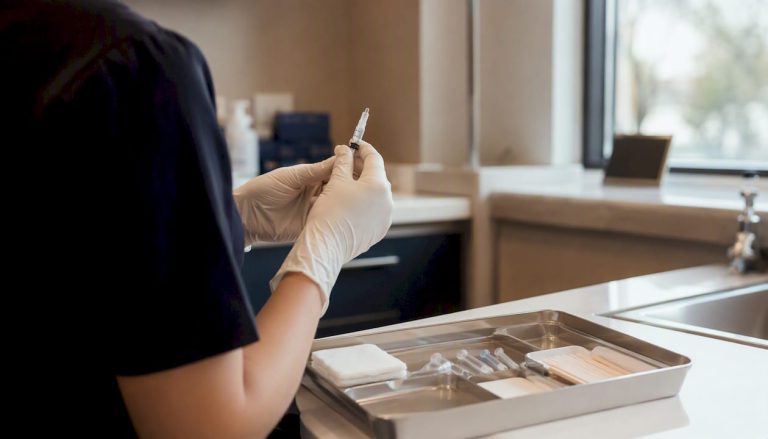
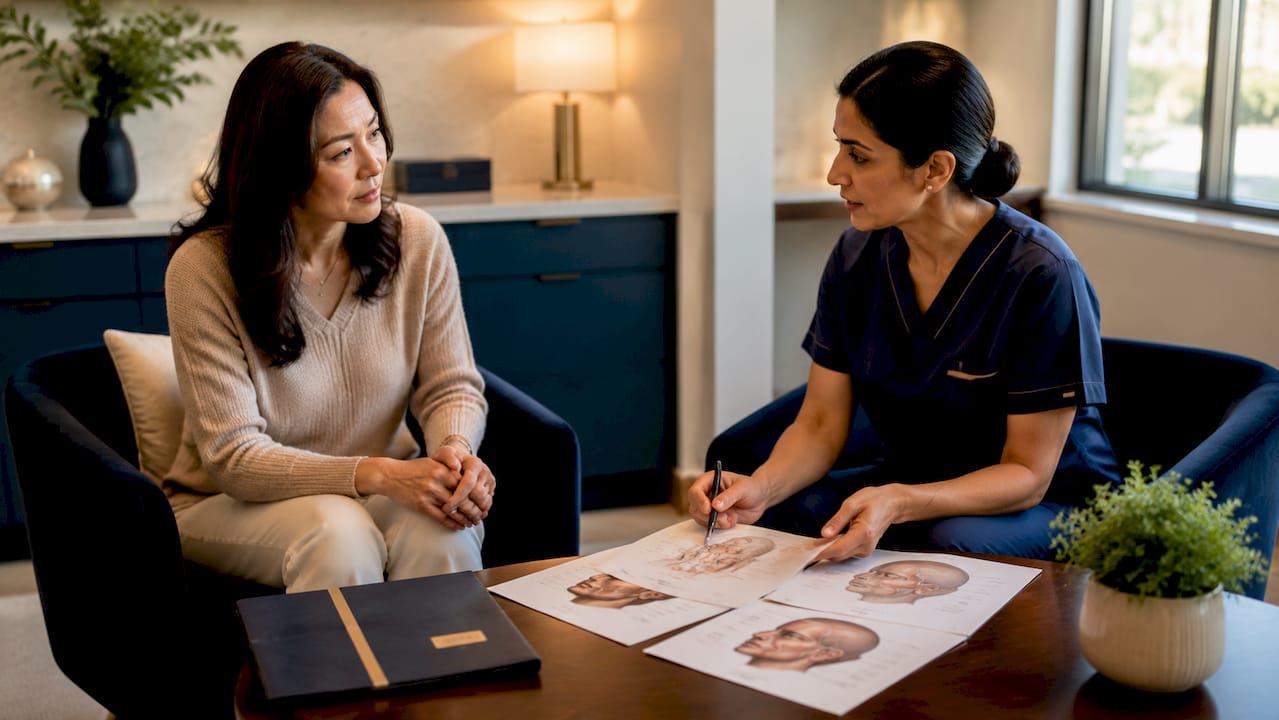
A Botox consultation is a clinician-led medical assessment designed to determine whether Botox treatment is safe and appropriate for your individual anatomy and aesthetic goals. Known formally as a cosmetic injectable assessment appointment, this evaluation covers your medical history, facial muscle activity, wrinkle patterns, and personal expectations before any treatment is planned. Skipping this step is not just inadvisable. It is a genuine safety risk. At Beautyshotmedicalclinic in Woodbridge, Vaughan, every patient receives a thorough consultation before a single unit of Botox is discussed. This guide walks you through exactly what that process looks like and why it matters.
What is a Botox consultation and what does it involve?
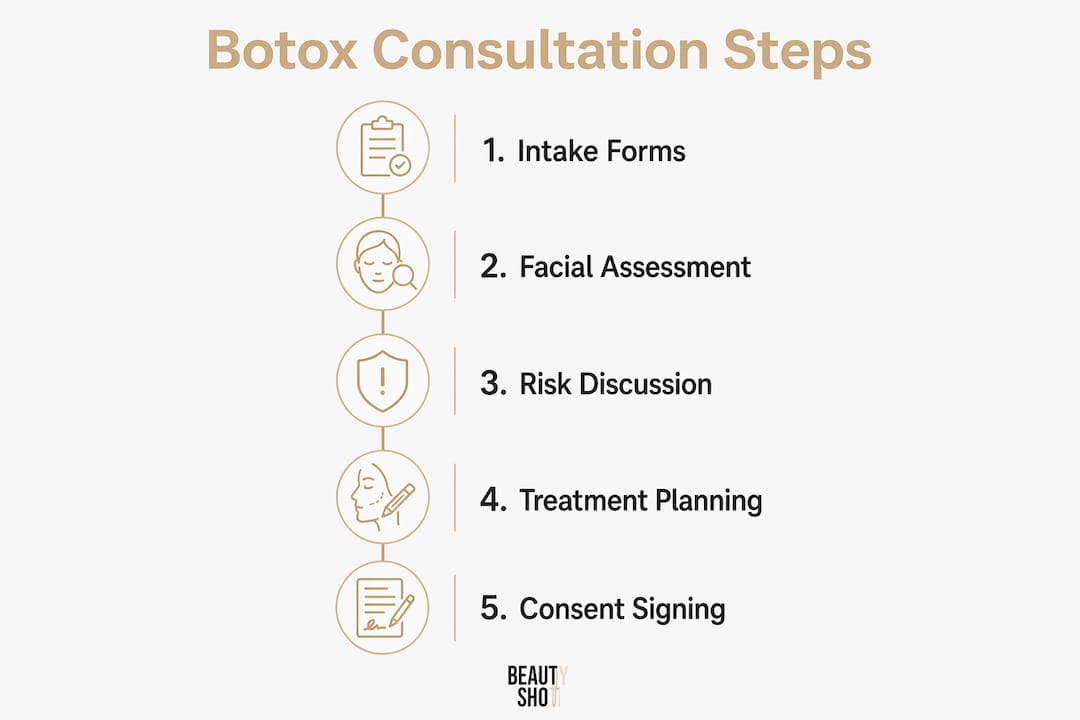
A Botox consultation is a structured clinical evaluation that includes intake forms, facial assessment, risk discussion, and informed consent before any treatment decision is made. The goal is not to sell you a treatment. The goal is to determine whether Botox is the right choice for you, and if so, how to deliver it safely and effectively.
The consultation covers five core areas: your health history, your facial anatomy, your aesthetic goals, the risks involved, and your consent to proceed. Each area informs the treatment plan. A qualified injector cannot responsibly skip any of them.
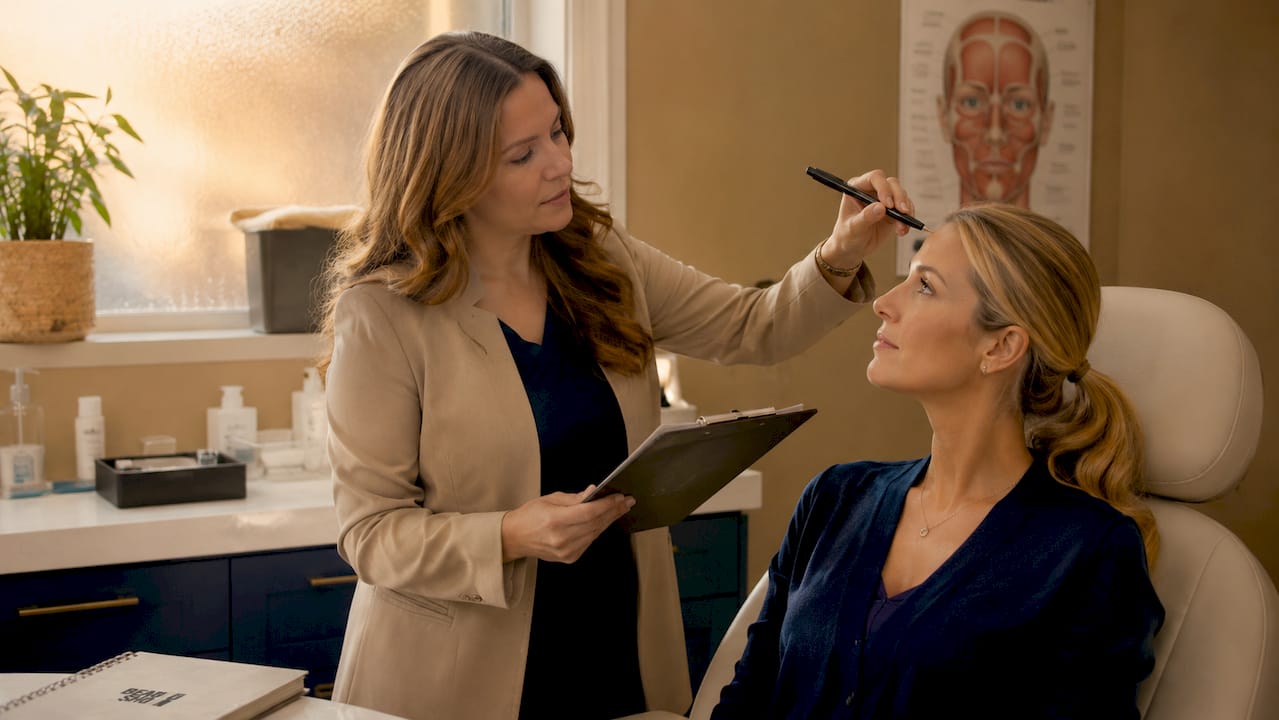
At Beautyshotmedicalclinic, this process is led by Irene Soni, R.N., BScN, an advanced cosmetic nurse injector with over nine years of experience and training through Allergan techniques, Teoxane Academy, and Dr. Martins Training Center Canada. Her approach is thorough, unhurried, and patient-centred.
What happens during a Botox consultation?
A well-run Botox consultation typically lasts 20–45 minutes. A rushed appointment that skips steps is a red flag worth taking seriously.
Here is what a thorough consultation covers:
-
Medical intake review. Your injector collects a full medical history, including allergies, current medications, supplements, and any prior cosmetic treatments. This information directly shapes what is safe to do.
-
Facial muscle and wrinkle assessment. Your injector observes your face at rest and during movement. This is called dynamic and static wrinkle mapping. Dynamic wrinkles appear with expression. Static wrinkles are visible at rest. Each type responds differently to Botox.
-
Photographic documentation. Before-and-after photos are taken at baseline and ideally reviewed at two weeks post-treatment. These images track clinical effects objectively and support realistic expectation-setting.
-
Goal discussion. You share which areas concern you most. Your injector explains what is achievable, what is not, and whether your goals align with what Botox can realistically deliver.
-
Risk and side effect education. Your injector explains possible side effects, contraindications, and what to watch for after treatment. This is not optional. It is a legal and ethical requirement.
-
Informed consent. You receive written consent documentation and time to ask questions before agreeing to anything. No reputable clinic proceeds without this step.
Pro Tip: Bring a list of all medications and supplements to your consultation, including vitamins and herbal products. Some, like fish oil and vitamin E, can increase bruising risk and your injector needs to know.
Why does realistic expectation-setting matter?
Realistic expectations are the foundation of a satisfying Botox experience. Patients who understand what the treatment can and cannot do are far more likely to feel pleased with their results.
The key distinction is wrinkle type. Dynamic wrinkles respond more quickly and dramatically to Botox because they are caused by repeated muscle movement. Forehead lines, crow’s feet, and frown lines between the brows fall into this category. Static wrinkles, which are visible even when your face is relaxed, may require multiple treatments or a combination approach, such as adding dermal fillers for deeper lines.
Results from Botox typically appear over 2–7 days and last approximately 3–4 months. Maintenance treatments are necessary to sustain the effect. Knowing this timeline before you book prevents disappointment.
“One of the most important things I do in a consultation is help patients understand what their face is actually doing. Once they see the difference between a dynamic and a static wrinkle, they understand why some lines respond immediately and others need a different approach entirely.”
— Irene Soni, R.N., BScN, Beautyshotmedicalclinic
Photographic documentation plays a direct role in managing expectations. Baseline photos give both patient and injector an objective reference point. Two-week post-treatment photos confirm the degree of improvement and guide any adjustments needed.
Consultations also address the possibility that Botox alone may not achieve every goal. Combining Botox with other treatments is sometimes the most effective path, and your injector should discuss this honestly rather than overselling a single solution.
How does a Botox consultation protect your safety?
Patient screening is not a formality. It is the step that prevents complications. A thorough consultation identifies contraindications that would make Botox unsafe for a particular patient at a particular time.
Key safety checks during a Botox assessment appointment include:
- Contraindication screening. Conditions such as neuromuscular disorders, active skin infections at the injection site, and known allergies to botulinum toxin are absolute contraindications. Pregnancy and breastfeeding are also disqualifying factors.
- Medication and supplement review. Anticoagulants, aspirin, and certain supplements increase bruising risk. Stopping these medications for approximately two weeks before treatment, when medically safe to do so, reduces that risk. Your injector advises you on this at consultation.
- Side effect education. You should leave knowing what is normal after treatment and what warrants a call to the clinic. Temporary redness, mild swelling, and small bruises at injection sites are expected. Drooping eyelids or asymmetry are not, and you need to know who to contact.
- No-pressure environment. A legitimate consultation prioritises informed consent over sales. You should never feel pushed to book treatment on the spot.
- Pre-treatment preparation guidance. Your injector provides specific instructions, such as avoiding alcohol and strenuous exercise in the 24 hours before treatment.
Pro Tip: If a clinic offers Botox without a separate consultation, or if your “consultation” lasts under ten minutes, consider that a warning sign. A thorough assessment cannot be completed that quickly.
Botox consultation questions to ask and what comes next
Preparing your own questions before the appointment makes the consultation more productive. Patients who arrive with questions get more from their time and leave with greater confidence.
Recommended questions to ask during your Botox consultation:
- Which treatment areas are appropriate for my anatomy and goals?
- How many units do you anticipate I will need, and why?
- What are the realistic outcomes for my specific wrinkle types?
- Are there alternatives to Botox that might suit me better?
- What should I do if I experience a side effect after treatment?
- How soon can I return for a follow-up if I am not satisfied with the result?
For first-time patients, many clinics recommend a short gap between the consultation and the actual treatment. This cooling-off period gives you time to reflect, ask follow-up questions, and confirm you feel comfortable proceeding. It is also a legal and ethical standard in many jurisdictions.
After your consultation, the typical next steps look like this:
| Stage | What happens |
|---|---|
| Consultation completed | Treatment plan documented, consent signed, photos taken |
| Cooling-off period | Time to reflect before booking, especially for first-timers |
| Treatment appointment | Injections performed according to the agreed plan |
| Two-week follow-up | Results assessed, photos compared, adjustments discussed |
| Maintenance schedule | Repeat treatments planned at approximately 3–4 month intervals |
Knowing this sequence before you begin removes uncertainty and helps you plan around your schedule and budget.
Key takeaways
A Botox consultation is the non-negotiable first step that separates safe, satisfying treatment from preventable complications and unmet expectations.
| Point | Details |
|---|---|
| Consultation is a clinical appointment | It covers medical history, facial analysis, risk discussion, and informed consent before treatment. |
| Duration signals quality | A thorough consultation lasts 20–45 minutes; shorter appointments are a warning sign. |
| Wrinkle type determines outcome | Dynamic wrinkles respond faster; static wrinkles may need multiple sessions or combined treatments. |
| Safety screening is non-negotiable | Contraindications, medications, and allergies must be reviewed to avoid preventable complications. |
| Photographic documentation matters | Baseline and two-week post-treatment photos track results objectively and support realistic expectations. |
Why I believe the consultation is the most important part of the process
People often ask me how long Botox lasts or how many units they need. Those are fair questions. But the question that actually determines whether someone has a good experience is this: did they have a proper consultation first?
I have seen patients who came to me after treatments done elsewhere with no real assessment beforehand. No wrinkle mapping. No discussion of their goals. No explanation of what Botox can and cannot do. They were disappointed, not because Botox failed them, but because no one took the time to set honest expectations.
The consultation is where I learn how your face moves. I watch you raise your brows, squint, and smile. I look at what happens to your skin at rest. That information tells me far more than any intake form. It tells me which muscles are dominant, where the lines are coming from, and whether Botox alone will address your concern or whether a different approach would serve you better.
What I find most patients actually want is not to look younger. They want to look like themselves, just more rested. That is an achievable goal. But it requires a conversation, not a quick injection. The consultation is that conversation.
My honest advice: if a clinic does not offer a dedicated consultation before treatment, or if the appointment feels rushed and sales-driven, trust that instinct and look elsewhere. You deserve a provider who takes the time to understand your face before touching it. Preparing your consultation questions in advance is one of the best things you can do to make that appointment count.
— Felix
Botox consultations at Beautyshotmedicalclinic
Beautyshotmedicalclinic offers thorough Botox assessment appointments led by Irene Soni, R.N., BScN, at the clinic’s Woodbridge, Vaughan location. Every consultation includes a full medical review, facial muscle analysis, wrinkle mapping, and a personalised treatment plan focused on natural, refreshed results. Irene’s background in Medical/ICU nursing at Sunnybrook Hospital and advanced cosmetic training means patients receive both clinical rigour and genuine aesthetic expertise. If you are considering Botox for the first time or looking for a more thorough approach, start with the clinic’s injectable cosmetics guide or visit Beautyshotmedicalclinic to book your consultation.
FAQ
What is a Botox consultation?
A Botox consultation is a clinician-led medical assessment that reviews your health history, analyses your facial muscles and wrinkle types, discusses your goals, and obtains informed consent before any treatment is planned.
Is a Botox consultation necessary?
A consultation is necessary for safe treatment. Patient screening identifies contraindications and reduces the risk of complications that could otherwise be prevented.
How long does a Botox consultation take?
A thorough consultation lasts 20–45 minutes. Appointments shorter than this typically cannot cover all the steps required for a safe and personalised treatment plan.
What questions should I ask during a Botox consultation?
Ask about recommended treatment areas, anticipated dosing, realistic outcomes for your wrinkle types, alternatives to Botox, and what to do if side effects occur. Arriving with a prepared list of questions helps you get the most from your appointment.
How soon after a consultation can I get Botox?
Many clinics recommend a short cooling-off period between consultation and treatment, particularly for first-time patients. This gives you time to reflect and confirm you are comfortable proceeding, and it aligns with legal and ethical standards for informed consent.
Recommended
- Finding a Botox Specialist: Questions to Ask During Consultation – Beauty Shot | Botox Fillers Woodbridge Vaughan
- Finding a Botox Specialist: Questions to Ask During Consultation – Beauty Shot | Botox Fillers Woodbridge Vaughan
- Booking Your First Botox Treatment: A Step-by-Step Guide – Beauty Shot | Botox Fillers Woodbridge Vaughan
- How the Botox injection process works in 2026